
 Skip to main content


Affiliate Disclosure: We are an affiliate marketing website and may receive compensation from lending partners. We are not a lender, do not make credit decisions, and do not guarantee approval. Loan terms and rates are determined by individual lenders.
Veterinarians occupy a unique position in the lending world. You graduate with debt loads that rival medical doctors, yet your earning trajectory follows a different curve, one that general lenders rarely understand. The market for loans for veterinarians has evolved considerably, branching into specialized practice financing, federal repayment programs designed exclusively for animal health professionals, and mortgage products that treat your student debt as a professional credential rather than a liability. Most online resources cover only one slice of this landscape. This guide assembles the full picture: federal and state loan repayment programs, practice acquisition and startup financing, personal loans built for veterinarians, DVM-specific mortgage solutions, and the planning tools that help you make sense of it all in 2026.
The numbers have not softened. Veterinary graduates in 2026 routinely carry six-figure educational debt, with averages hovering near $185,000 for those who financed their entire education through loans. When you stack that against a median starting salary that sits around $110,000 to $130,000 for small animal private practice, the income-to-debt ratio looks far less forgiving than what physicians face after residency. This imbalance is not a temporary career phase. It shapes decisions about specialization, practice ownership, geographic location, and even homeownership for a decade or more after graduation.
The financial complexity deepens because veterinarians seldom carry just one type of debt. A typical associate might manage federal student loans on an income-driven repayment plan while carrying a personal loan from a relocation, a practice buy-in loan within five years, and a mortgage by year seven. Each loan type comes with its own underwriting logic, interest rate structure, and tax implications. Lenders who lack veterinary-specific knowledge often misprice risk, either denying credit to qualified borrowers or approving loans with terms that ignore the profession’s cash flow patterns.
Financial literacy gaps compound the problem. Veterinary curricula have historically devoted minimal time to business and debt management, leaving graduates to navigate six-figure decisions with little formal preparation. This creates a market where lenders who pair capital with education, walking a borrower through the logic of a graduated payment structure or the tax consequences of a federal repayment award, earn loyalty that generalist banks cannot match.

Standard consumer and small business loans are built around predictable, year-round income streams. Veterinary practices, particularly in mixed-animal or rural settings, experience seasonal revenue swings that generic underwriting models treat as red flags rather than normal operating conditions. A lender who has never financed a veterinary practice might balk at a slow first quarter, while a specialized team at Live Oak Bank or Bank of America recognizes it as the industry norm and structures payments accordingly.
Practice acquisition presents another mismatch. Valuing a veterinary clinic requires understanding goodwill, equipment lifecycles, client retention patterns, and the local market for companion animal care. A general commercial lender applying retail or restaurant valuation formulas will produce numbers that do not reflect reality, potentially killing a deal or overleveraging a buyer. Dedicated veterinary lending teams close this gap with industry-specific appraisals and term sheets that align with how practices actually generate cash.
On the personal side, DVM mortgage programs solve a problem that conventional underwriting cannot. A veterinarian with $200,000 in student loans and a $120,000 salary looks overleveraged on paper, but that calculation ignores career stability, income growth trajectories, and the fact that income-driven repayment plans cap monthly obligations. Specialized mortgage products recalculate the debt-to-income ratio using a percentage of the loan balance rather than the full amortized payment, making homeownership accessible years earlier than a conventional loan would allow.
The USDA Veterinary Medicine Loan Repayment Program, or VMLRP, remains the most direct federal debt relief mechanism available to veterinarians in 2026. The program pays up to $40,000 per year toward qualified educational loans in exchange for a minimum three-year commitment to practice in a designated veterinary shortage area. These shortage areas, updated annually by the USDA’s National Institute of Food and Agriculture, span rural counties, underserved urban zones, and regions where food animal veterinary services are critically thin. The application window typically opens in early spring, and competition is structured around a scoring system that weights shortage severity, applicant qualifications, and the match between the veterinarian’s skills and the area’s specific needs.
The tax treatment of VMLRP awards deserves careful planning. The program’s payments are considered taxable income, meaning a $40,000 award may net closer to $28,000 to $30,000 after federal and state taxes. Some veterinarians negotiate with their employers for tax gross-ups or structure their service commitment to minimize the marginal tax impact, but the net benefit still substantially reduces debt loads over the three-year term. The program also allows participants to reapply for additional three-year terms, though renewal is not guaranteed and depends on continued shortage area designation.

Public Service Loan Forgiveness, or PSLF, offers a parallel path that many veterinarians overlook. Employment at a qualifying nonprofit or government organization, which includes veterinary schools, public health agencies, and certain animal shelters structured as 501(c)(3) entities, can make a veterinarian eligible for full federal loan forgiveness after 120 qualifying monthly payments. Those payments must be made under an income-driven repayment plan, and the employment certification process requires meticulous annual documentation. The program has faced administrative challenges in past years, but the 2026 processing pipeline has stabilized considerably, and veterinarians who began certifying employment early in their careers are now reaching forgiveness milestones.
The Arizona Veterinary Loan Assistance Program, or AVLAP, provides a model for state-level intervention, offering loan assistance to veterinarians who commit to at least four years of in-state service. The program targets both rural and urban underserved areas and operates with a smaller funding pool than the federal VMLRP, which can make awards more competitive but also more tailored to state-specific shortage patterns. Several other states operate similar programs, though they are poorly documented in centralized online resources. State veterinary medical associations typically hold the most current information, and a direct call to the association office often surfaces programs that do not appear in web searches. Eligibility generally requires state licensure and employment in a qualifying practice type or location, and application cycles vary widely. The maximum awards tend to be lower than the federal program, but the applicant pool is also smaller, improving odds for those who qualify.
Live Oak Bank has built one of the most concentrated veterinary lending operations in the country, with nine dedicated team members, including senior vice presidents and loan officers, who work exclusively on veterinary and pet care facility financing. The bank structures loans for practice acquisition, startup, expansion, and real estate purchase, and its underwriting reflects deep familiarity with practice cash flow patterns, equipment depreciation schedules, and the goodwill valuation methods that drive veterinary practice sales. Borrowers work with the same small team throughout the process, which reduces the information loss that plagues larger, less specialized institutions.
Bank of America competes in the same space with a different set of tools. Its veterinary practice loans include interest-only and graduated payment structures designed for startups, where revenue ramps over 18 to 36 months before stabilizing. For practices that bank with Bank of America’s business division, the Preferred Rewards for Business program shaves 0.25 to 0.35 percentage points off the interest rate, a discount that compounds meaningfully over a 10- or 15-year term. The bank also emphasizes practice transition and succession planning, structuring buyouts that allow a retiring owner to exit gradually while the buyer assumes clinical and operational control on a defined timeline.
Huntington Bank rounds out the major players with practice acquisition loans that accommodate both first-time buyers and experienced practitioners expanding through acquisition. Down payment requirements across these lenders typically range from 10 to 30 percent for conventional practice loans, with the lower end reserved for borrowers with strong credit, solid practice financials, and seller financing components. The practice valuation itself, conducted by a specialized appraiser familiar with veterinary medicine, carries significant weight in the approval decision and the loan-to-value ratio the lender will accept.
SBA 7(a) loans remain the primary vehicle for first-time practice buyers who lack the capital for a large down payment. These loans require as little as 10 to 15 percent down, with terms extending up to 10 years for equipment and working capital and up to 25 years for commercial real estate. The tradeoff is paperwork and time. SBA loans demand detailed business plans, personal financial disclosures, and environmental assessments that can stretch the closing timeline to 90 days or more. Conventional loans close faster, often within 45 to 60 days, and involve fewer bureaucratic requirements, but they expect higher down payments and stronger credit profiles. Many veterinary lenders now offer a hybrid structure: SBA-backed financing for the real estate component paired with conventional terms on equipment and working capital, balancing the benefits of both programs.
New practice owners face a predictable cash flow gap. The first six to eighteen months require building a client base, establishing referral relationships, and managing the operational learning curve, all while revenue lags behind the eventual steady state. Partners Veterinary and other industry advisors recommend negotiating a six-month grace period on principal payments or an interest-only structure for the first 12 to 24 months. These arrangements increase the total interest paid over the life of the loan, but they prevent the cash crunch that can force a new owner to cut marketing, delay equipment purchases, or compromise on staffing during the critical ramp-up phase. Graduated payment structures, where monthly obligations increase on a predetermined schedule that mirrors expected revenue growth, offer a middle ground. These structures work best when the practice valuation and growth projections are conservative and well-supported by the seller’s historical financials.
Doc2Doc Lending occupies a specific niche in the veterinary lending ecosystem, offering personal loans from $5,000 to $100,000 with terms spanning 60 to 84 months. The minimum loan amount for residents is $7,000, reflecting the transitional financial position of veterinarians in internship and residency programs. These loans are unsecured, meaning no collateral is required, and underwriting weighs income, credit score, and debt-to-income ratio with an understanding of veterinary career trajectories that general personal loan providers lack.
The use cases for veterinary personal loans are practical and varied. A new graduate relocating for a first job may need to cover moving expenses, a rental deposit, and living costs before the first paycheck arrives. A resident preparing for board examinations may need to finance exam fees, travel, and study materials. A veterinarian launching a mobile practice may use a personal loan to purchase portable ultrasound equipment or a vehicle conversion. Interest rates on these profession-specific personal loans tend to run lower than general-market unsecured loans because the underwriting model accounts for the low default rates and high earning stability associated with the veterinary profession.
Revolving credit products designed specifically for veterinarians remain a gap in the 2026 market, though the landscape is shifting. Business lines of credit from veterinary-friendly banks can serve as cash flow buffers during slow seasons, and some practices use 0 percent APR introductory credit cards for equipment purchases or continuing education expenses, paying the balance before the promotional period expires. A small number of issuers have begun piloting practice-specific credit cards with rewards tied to veterinary supply purchases, but these products are not yet widely available. Veterinarians evaluating revolving credit should compare the annual percentage rate, annual fees, and rewards structures against their actual spending patterns, recognizing that a card marketed to veterinarians is not automatically the best financial tool for a given practice.
The most distinctive feature of DVM mortgage programs is the down payment, or the lack of one. Select lenders offer mortgages to veterinarians with as little as zero to 10 percent down and no private mortgage insurance requirement. PMI typically adds hundreds of dollars to a monthly mortgage payment when a borrower puts less than 20 percent down, so its elimination represents substantial savings. These programs are built on actuarial data showing that veterinarians, despite high student debt loads, exhibit low default rates and strong long-term earning stability.
The underwriting logic also treats student loan debt differently than conventional mortgages do. A standard mortgage application calculates the monthly debt obligation based on the actual loan payment or, for income-driven plans, a percentage of the loan balance. DVM mortgage programs often use a flat 1 percent of the total student loan balance as the assumed monthly obligation, which can dramatically reduce the calculated debt-to-income ratio for a veterinarian carrying $200,000 in loans on an income-driven plan. This adjustment alone can make the difference between approval and denial, or between a comfortable payment and a stretch.
These programs are available through a limited network of lenders and mortgage brokers who specialize in professional mortgages. They are not advertised broadly, and a veterinarian who walks into a general bank branch may be told no such product exists. Working with a broker who has placed DVM mortgages before, or contacting the lenders directly through their professional program divisions, is the most reliable path to access.
The structural differences are straightforward. Down payments range from zero to 10 percent instead of the conventional 20 percent. PMI is waived entirely, saving hundreds per month. Student loan debt is calculated at 1 percent of the balance rather than the fully amortized payment. Interest rates may run slightly higher than the best conventional rates, but the lower down payment and eliminated PMI typically produce a lower total monthly housing cost. Eligibility requires verification of the DVM degree and proof of employment or a signed offer letter, making these programs accessible to new graduates who have not yet started work.
The AVMA Veterinary Salary Estimator allows students and practicing veterinarians to project income by specialty, geographic region, and years of experience, providing a baseline for loan repayment planning. The VIN Foundation Student Loan Simulator models repayment scenarios across income-driven plans, refinancing options, and forgiveness programs, showing the long-term cost of each strategy. The AVMA’s broader financial health resources cover scholarships, loan repayment options, and insurance guidance, with particular attention to the transition from student to practitioner. Student Loan Planner offers DVM-specific consulting on both student debt and mortgage strategy, and the USDA’s interactive shortage area maps let veterinarians identify VMLRP-eligible locations before committing to a job search. Together, these tools allow a veterinarian to model the financial consequences of career decisions before they become irreversible.
Veterinarians can access SBA 7(a) loans, conventional bank loans, and financing through veterinary-specific lenders like Live Oak Bank and Bank of America. Down payments range from 10 to 30 percent depending on the loan type, the practice valuation, and the borrower’s credit profile. A well-prepared business plan and a realistic practice valuation carry significant weight in the approval process and the terms offered.
The most effective approach combines federal repayment programs, such as VMLRP and PSLF, with income-driven repayment plans that keep monthly obligations manageable while working toward forgiveness. Refinancing high-interest private loans can reduce interest costs, but federal loan holders should weigh the loss of income-driven repayment options and forgiveness eligibility before refinancing. Signing bonuses, production-based compensation, and practice ownership income can all be directed toward extra principal payments, and state-level assistance programs may provide additional relief that reduces the total repayment timeline.
Yes. DVM-specific mortgage programs offer down payments as low as zero to 10 percent with no PMI requirement. These programs calculate student debt obligations differently than conventional mortgages, using a percentage of the loan balance rather than the full payment, which improves the debt-to-income ratio and increases borrowing power. Not all lenders offer these programs, and specialized mortgage brokers are often the best resource for locating them.
The USDA Veterinary Medicine Loan Repayment Program pays up to $40,000 per year for three years toward qualified educational loans. Eligibility requires a commitment to serve in a federally designated veterinary shortage area, and applications are scored based on shortage severity and applicant qualifications. The application window opens annually, and the award is taxable as income.
Veterinary students should focus on maximizing federal loan access, applying for scholarships aggressively, and understanding the eligibility requirements for VMLRP and PSLF before graduation closes certain options. Recent graduates face the most consequential decisions: selecting an income-driven repayment plan, evaluating whether to pursue a shortage-area position for VMLRP eligibility, and exploring DVM mortgage programs if homeownership is a near-term goal. Personal loans can bridge the transition costs that arise between graduation and the first steady paycheck.
Mid-career practitioners considering practice ownership need to evaluate acquisition financing alongside their existing debt obligations. The decision to buy a practice should account for the total debt service, including student loans, and the cash flow projections of the target practice. Refinancing student loans may free up borrowing capacity for a practice loan, but only if the refinanced terms do not sacrifice forgiveness eligibility that would provide greater long-term value.
Experienced practice owners shift their focus to succession planning and practice sale financing. Structuring a buyout that works for both the retiring owner and the purchasing associate requires lenders who understand veterinary practice transitions, and the same specialized banks that finance acquisitions typically offer sale-side guidance. Retirement-focused debt management, including the timing of practice sale proceeds relative to remaining student loan obligations, rounds out the career-stage planning framework.
The veterinary lending landscape spans federal repayment programs, practice acquisition and startup loans, personal loans, and DVM-specific mortgages, each designed to address a different financial need at a specific career stage. The USDA VMLRP and PSLF offer substantial debt relief but demand careful planning, service commitments, and attention to tax implications. Veterinary-specific lenders, including Live Oak Bank, Bank of America, and Doc2Doc Lending, bring industry knowledge to underwriting that general lenders cannot replicate. DVM mortgage programs make homeownership achievable even with high student debt by recalculating debt-to-income ratios and eliminating PMI. State-level assistance programs remain under-documented but valuable, and a call to the state veterinary medical association often reveals options that do not appear in online searches. The AVMA and VIN Foundation tools provide the modeling capability to compare strategies before committing, turning a complex set of choices into a manageable financial plan.
Veterinarians occupy a unique position in the lending world. You graduate with debt loads that rival medical doctors, yet your earning trajectory follows a different curve, one that general lenders rarely understand. The market for loans for veterinarians has evolved considerably, branching into specialized practice financing, federal repayment programs designed exclusively for animal health professionals, and mortgage products that treat your student debt as a professional credential rather than a liability. Most online resources cover only one slice of this landscape. This guide assembles the full picture: federal and state loan repayment programs, practice acquisition and startup financing, personal loans built for veterinarians, DVM-specific mortgage solutions, and the planning tools that help you make sense of it all in 2026.
The numbers have not softened. Veterinary graduates in 2026 routinely carry six-figure educational debt, with averages hovering near $185,000 for those who financed their entire education through loans. When you stack that against a median starting salary that sits around $110,000 to $130,000 for small animal private practice, the income-to-debt ratio looks far less forgiving than what physicians face after residency. This imbalance is not a temporary career phase. It shapes decisions about specialization, practice ownership, geographic location, and even homeownership for a decade or more after graduation.
The financial complexity deepens because veterinarians seldom carry just one type of debt. A typical associate might manage federal student loans on an income-driven repayment plan while carrying a personal loan from a relocation, a practice buy-in loan within five years, and a mortgage by year seven. Each loan type comes with its own underwriting logic, interest rate structure, and tax implications. Lenders who lack veterinary-specific knowledge often misprice risk, either denying credit to qualified borrowers or approving loans with terms that ignore the profession’s cash flow patterns.
Financial literacy gaps compound the problem. Veterinary curricula have historically devoted minimal time to business and debt management, leaving graduates to navigate six-figure decisions with little formal preparation. This creates a market where lenders who pair capital with education, walking a borrower through the logic of a graduated payment structure or the tax consequences of a federal repayment award, earn loyalty that generalist banks cannot match.
Standard consumer and small business loans are built around predictable, year-round income streams. Veterinary practices, particularly in mixed-animal or rural settings, experience seasonal revenue swings that generic underwriting models treat as red flags rather than normal operating conditions. A lender who has never financed a veterinary practice might balk at a slow first quarter, while a specialized team at Live Oak Bank or Bank of America recognizes it as the industry norm and structures payments accordingly.
Practice acquisition presents another mismatch. Valuing a veterinary clinic requires understanding goodwill, equipment lifecycles, client retention patterns, and the local market for companion animal care. A general commercial lender applying retail or restaurant valuation formulas will produce numbers that do not reflect reality, potentially killing a deal or overleveraging a buyer. Dedicated veterinary lending teams close this gap with industry-specific appraisals and term sheets that align with how practices actually generate cash.
On the personal side, DVM mortgage programs solve a problem that conventional underwriting cannot. A veterinarian with $200,000 in student loans and a $120,000 salary looks overleveraged on paper, but that calculation ignores career stability, income growth trajectories, and the fact that income-driven repayment plans cap monthly obligations. Specialized mortgage products recalculate the debt-to-income ratio using a percentage of the loan balance rather than the full amortized payment, making homeownership accessible years earlier than a conventional loan would allow.
The USDA Veterinary Medicine Loan Repayment Program, or VMLRP, remains the most direct federal debt relief mechanism available to veterinarians in 2026. The program pays up to $40,000 per year toward qualified educational loans in exchange for a minimum three-year commitment to practice in a designated veterinary shortage area. These shortage areas, updated annually by the USDA’s National Institute of Food and Agriculture, span rural counties, underserved urban zones, and regions where food animal veterinary services are critically thin. The application window typically opens in early spring, and competition is structured around a scoring system that weights shortage severity, applicant qualifications, and the match between the veterinarian’s skills and the area’s specific needs.
The tax treatment of VMLRP awards deserves careful planning. The program’s payments are considered taxable income, meaning a $40,000 award may net closer to $28,000 to $30,000 after federal and state taxes. Some veterinarians negotiate with their employers for tax gross-ups or structure their service commitment to minimize the marginal tax impact, but the net benefit still substantially reduces debt loads over the three-year term. The program also allows participants to reapply for additional three-year terms, though renewal is not guaranteed and depends on continued shortage area designation.
Public Service Loan Forgiveness, or PSLF, offers a parallel path that many veterinarians overlook. Employment at a qualifying nonprofit or government organization, which includes veterinary schools, public health agencies, and certain animal shelters structured as 501(c)(3) entities, can make a veterinarian eligible for full federal loan forgiveness after 120 qualifying monthly payments. Those payments must be made under an income-driven repayment plan, and the employment certification process requires meticulous annual documentation. The program has faced administrative challenges in past years, but the 2026 processing pipeline has stabilized considerably, and veterinarians who began certifying employment early in their careers are now reaching forgiveness milestones.
The Arizona Veterinary Loan Assistance Program, or AVLAP, provides a model for state-level intervention, offering loan assistance to veterinarians who commit to at least four years of in-state service. The program targets both rural and urban underserved areas and operates with a smaller funding pool than the federal VMLRP, which can make awards more competitive but also more tailored to state-specific shortage patterns. Several other states operate similar programs, though they are poorly documented in centralized online resources. State veterinary medical associations typically hold the most current information, and a direct call to the association office often surfaces programs that do not appear in web searches. Eligibility generally requires state licensure and employment in a qualifying practice type or location, and application cycles vary widely. The maximum awards tend to be lower than the federal program, but the applicant pool is also smaller, improving odds for those who qualify.
Live Oak Bank has built one of the most concentrated veterinary lending operations in the country, with nine dedicated team members, including senior vice presidents and loan officers, who work exclusively on veterinary and pet care facility financing. The bank structures loans for practice acquisition, startup, expansion, and real estate purchase, and its underwriting reflects deep familiarity with practice cash flow patterns, equipment depreciation schedules, and the goodwill valuation methods that drive veterinary practice sales. Borrowers work with the same small team throughout the process, which reduces the information loss that plagues larger, less specialized institutions.
Bank of America competes in the same space with a different set of tools. Its veterinary practice loans include interest-only and graduated payment structures designed for startups, where revenue ramps over 18 to 36 months before stabilizing. For practices that bank with Bank of America’s business division, the Preferred Rewards for Business program shaves 0.25 to 0.35 percentage points off the interest rate, a discount that compounds meaningfully over a 10- or 15-year term. The bank also emphasizes practice transition and succession planning, structuring buyouts that allow a retiring owner to exit gradually while the buyer assumes clinical and operational control on a defined timeline.
Huntington Bank rounds out the major players with practice acquisition loans that accommodate both first-time buyers and experienced practitioners expanding through acquisition. Down payment requirements across these lenders typically range from 10 to 30 percent for conventional practice loans, with the lower end reserved for borrowers with strong credit, solid practice financials, and seller financing components. The practice valuation itself, conducted by a specialized appraiser familiar with veterinary medicine, carries significant weight in the approval decision and the loan-to-value ratio the lender will accept.
SBA 7(a) loans remain the primary vehicle for first-time practice buyers who lack the capital for a large down payment. These loans require as little as 10 to 15 percent down, with terms extending up to 10 years for equipment and working capital and up to 25 years for commercial real estate. The tradeoff is paperwork and time. SBA loans demand detailed business plans, personal financial disclosures, and environmental assessments that can stretch the closing timeline to 90 days or more. Conventional loans close faster, often within 45 to 60 days, and involve fewer bureaucratic requirements, but they expect higher down payments and stronger credit profiles. Many veterinary lenders now offer a hybrid structure: SBA-backed financing for the real estate component paired with conventional terms on equipment and working capital, balancing the benefits of both programs.
New practice owners face a predictable cash flow gap. The first six to eighteen months require building a client base, establishing referral relationships, and managing the operational learning curve, all while revenue lags behind the eventual steady state. Partners Veterinary and other industry advisors recommend negotiating a six-month grace period on principal payments or an interest-only structure for the first 12 to 24 months. These arrangements increase the total interest paid over the life of the loan, but they prevent the cash crunch that can force a new owner to cut marketing, delay equipment purchases, or compromise on staffing during the critical ramp-up phase. Graduated payment structures, where monthly obligations increase on a predetermined schedule that mirrors expected revenue growth, offer a middle ground. These structures work best when the practice valuation and growth projections are conservative and well-supported by the seller’s historical financials.
Doc2Doc Lending occupies a specific niche in the veterinary lending ecosystem, offering personal loans from $5,000 to $100,000 with terms spanning 60 to 84 months. The minimum loan amount for residents is $7,000, reflecting the transitional financial position of veterinarians in internship and residency programs. These loans are unsecured, meaning no collateral is required, and underwriting weighs income, credit score, and debt-to-income ratio with an understanding of veterinary career trajectories that general personal loan providers lack.
The use cases for veterinary personal loans are practical and varied. A new graduate relocating for a first job may need to cover moving expenses, a rental deposit, and living costs before the first paycheck arrives. A resident preparing for board examinations may need to finance exam fees, travel, and study materials. A veterinarian launching a mobile practice may use a personal loan to purchase portable ultrasound equipment or a vehicle conversion. Interest rates on these profession-specific personal loans tend to run lower than general-market unsecured loans because the underwriting model accounts for the low default rates and high earning stability associated with the veterinary profession.
Revolving credit products designed specifically for veterinarians remain a gap in the 2026 market, though the landscape is shifting. Business lines of credit from veterinary-friendly banks can serve as cash flow buffers during slow seasons, and some practices use 0 percent APR introductory credit cards for equipment purchases or continuing education expenses, paying the balance before the promotional period expires. A small number of issuers have begun piloting practice-specific credit cards with rewards tied to veterinary supply purchases, but these products are not yet widely available. Veterinarians evaluating revolving credit should compare the annual percentage rate, annual fees, and rewards structures against their actual spending patterns, recognizing that a card marketed to veterinarians is not automatically the best financial tool for a given practice.
The most distinctive feature of DVM mortgage programs is the down payment, or the lack of one. Select lenders offer mortgages to veterinarians with as little as zero to 10 percent down and no private mortgage insurance requirement. PMI typically adds hundreds of dollars to a monthly mortgage payment when a borrower puts less than 20 percent down, so its elimination represents substantial savings. These programs are built on actuarial data showing that veterinarians, despite high student debt loads, exhibit low default rates and strong long-term earning stability.
The underwriting logic also treats student loan debt differently than conventional mortgages do. A standard mortgage application calculates the monthly debt obligation based on the actual loan payment or, for income-driven plans, a percentage of the loan balance. DVM mortgage programs often use a flat 1 percent of the total student loan balance as the assumed monthly obligation, which can dramatically reduce the calculated debt-to-income ratio for a veterinarian carrying $200,000 in loans on an income-driven plan. This adjustment alone can make the difference between approval and denial, or between a comfortable payment and a stretch.
These programs are available through a limited network of lenders and mortgage brokers who specialize in professional mortgages. They are not advertised broadly, and a veterinarian who walks into a general bank branch may be told no such product exists. Working with a broker who has placed DVM mortgages before, or contacting the lenders directly through their professional program divisions, is the most reliable path to access.
The structural differences are straightforward. Down payments range from zero to 10 percent instead of the conventional 20 percent. PMI is waived entirely, saving hundreds per month. Student loan debt is calculated at 1 percent of the balance rather than the fully amortized payment. Interest rates may run slightly higher than the best conventional rates, but the lower down payment and eliminated PMI typically produce a lower total monthly housing cost. Eligibility requires verification of the DVM degree and proof of employment or a signed offer letter, making these programs accessible to new graduates who have not yet started work.
The AVMA Veterinary Salary Estimator allows students and practicing veterinarians to project income by specialty, geographic region, and years of experience, providing a baseline for loan repayment planning. The VIN Foundation Student Loan Simulator models repayment scenarios across income-driven plans, refinancing options, and forgiveness programs, showing the long-term cost of each strategy. The AVMA’s broader financial health resources cover scholarships, loan repayment options, and insurance guidance, with particular attention to the transition from student to practitioner. Student Loan Planner offers DVM-specific consulting on both student debt and mortgage strategy, and the USDA’s interactive shortage area maps let veterinarians identify VMLRP-eligible locations before committing to a job search. Together, these tools allow a veterinarian to model the financial consequences of career decisions before they become irreversible.
Veterinarians can access SBA 7(a) loans, conventional bank loans, and financing through veterinary-specific lenders like Live Oak Bank and Bank of America. Down payments range from 10 to 30 percent depending on the loan type, the practice valuation, and the borrower’s credit profile. A well-prepared business plan and a realistic practice valuation carry significant weight in the approval process and the terms offered.
The most effective approach combines federal repayment programs, such as VMLRP and PSLF, with income-driven repayment plans that keep monthly obligations manageable while working toward forgiveness. Refinancing high-interest private loans can reduce interest costs, but federal loan holders should weigh the loss of income-driven repayment options and forgiveness eligibility before refinancing. Signing bonuses, production-based compensation, and practice ownership income can all be directed toward extra principal payments, and state-level assistance programs may provide additional relief that reduces the total repayment timeline.
Yes. DVM-specific mortgage programs offer down payments as low as zero to 10 percent with no PMI requirement. These programs calculate student debt obligations differently than conventional mortgages, using a percentage of the loan balance rather than the full payment, which improves the debt-to-income ratio and increases borrowing power. Not all lenders offer these programs, and specialized mortgage brokers are often the best resource for locating them.
The USDA Veterinary Medicine Loan Repayment Program pays up to $40,000 per year for three years toward qualified educational loans. Eligibility requires a commitment to serve in a federally designated veterinary shortage area, and applications are scored based on shortage severity and applicant qualifications. The application window opens annually, and the award is taxable as income.
Veterinary students should focus on maximizing federal loan access, applying for scholarships aggressively, and understanding the eligibility requirements for VMLRP and PSLF before graduation closes certain options. Recent graduates face the most consequential decisions: selecting an income-driven repayment plan, evaluating whether to pursue a shortage-area position for VMLRP eligibility, and exploring DVM mortgage programs if homeownership is a near-term goal. Personal loans can bridge the transition costs that arise between graduation and the first steady paycheck.
Mid-career practitioners considering practice ownership need to evaluate acquisition financing alongside their existing debt obligations. The decision to buy a practice should account for the total debt service, including student loans, and the cash flow projections of the target practice. Refinancing student loans may free up borrowing capacity for a practice loan, but only if the refinanced terms do not sacrifice forgiveness eligibility that would provide greater long-term value.
Experienced practice owners shift their focus to succession planning and practice sale financing. Structuring a buyout that works for both the retiring owner and the purchasing associate requires lenders who understand veterinary practice transitions, and the same specialized banks that finance acquisitions typically offer sale-side guidance. Retirement-focused debt management, including the timing of practice sale proceeds relative to remaining student loan obligations, rounds out the career-stage planning framework.
The veterinary lending landscape spans federal repayment programs, practice acquisition and startup loans, personal loans, and DVM-specific mortgages, each designed to address a different financial need at a specific career stage. The USDA VMLRP and PSLF offer substantial debt relief but demand careful planning, service commitments, and attention to tax implications. Veterinary-specific lenders, including Live Oak Bank, Bank of America, and Doc2Doc Lending, bring industry knowledge to underwriting that general lenders cannot replicate. DVM mortgage programs make homeownership achievable even with high student debt by recalculating debt-to-income ratios and eliminating PMI. State-level assistance programs remain under-documented but valuable, and a call to the state veterinary medical association often reveals options that do not appear in online searches. The AVMA and VIN Foundation tools provide the modeling capability to compare strategies before committing, turning a complex set of choices into a manageable financial plan.
When your pet needs medical attention, finding a veterinary practice that balances clinical excellence with genuine compassion can feel overwhelming. Tama Veterinary Hospital and Urgent Care, located at 542 South Main Street in Milpitas, California, has been meeting that need since 2013. The hospital operates as both a full-service wellness center and an urgent care facility, open seven days a week, which makes it a practical choice for busy families and unexpected pet health scares alike. By the end of this guide, you will know exactly what Tama Veterinary Hospital offers, how much services cost, what real clients say, and how to prepare for your visit.
Tama Veterinary Hospital sits in the heart of Milpitas, serving pet owners across Santa Clara County with a combination of routine preventive care and same-day urgent services. The clinic holds accreditation from the American Animal Hospital Association, a distinction earned by only a small percentage of veterinary practices nationwide. Membership in the Veterinary Information Network and the California Veterinary Medical Association further reflects a commitment to staying current with medical advances and professional standards.
The hospital has earned the “Best of Milpitas” award for 11 consecutive years, a streak that speaks to consistent community trust rather than a single standout year. On Yelp, the practice holds a 4.1-star rating drawn from 636 reviews, placing it among the more visible and frequently reviewed veterinary clinics in the area. Two features set Tama apart from many local competitors: a publicly accessible pricing page that lists costs for common services, and a recently introduced acupuncture program that expands treatment options for pets with chronic pain or mobility issues.
Preventive medicine forms the backbone of Tama’s service model. Annual wellness exams include thorough physical assessments, weight monitoring, and discussions about diet, behavior, and lifestyle. Vaccination protocols are tailored to each pet’s age, exposure risk, and health status, covering core immunizations as well as lifestyle-based options. Microchipping services provide permanent identification, a simple procedure that reunites lost pets with their families.
Dental care extends beyond quick oral checks. The hospital performs comprehensive oral health assessments, professional cleanings, and extractions when necessary. Untreated dental disease can lead to systemic infections affecting the heart, liver, and kidneys, so the emphasis on oral health serves a genuinely preventive function. Nutritional counseling and parasite prevention programs round out the wellness offerings, addressing fleas, ticks, heartworm, and intestinal parasites common to Northern California.
Perhaps most notably, Tama publishes its pricing for vaccines, grooming, and health screens on a dedicated page. This level of transparency is uncommon among local veterinary practices and helps pet owners budget for routine care without the anxiety of an unknown final bill.

Not every pet health crisis happens during standard business hours. Tama Veterinary Hospital accepts same-day urgent appointments throughout the week, filling a gap between scheduled wellness visits and the need for immediate attention. The last emergency intake typically occurs around 5:00 PM on weekdays and 4:00 PM on weekends, so calling ahead before arriving late in the day is essential.
The urgent care team handles trauma injuries, sudden onset illnesses, acute allergic reactions, and symptom management for conditions like vomiting, diarrhea, or respiratory distress. In-house diagnostic tools, including imaging and laboratory equipment, allow veterinarians to reach a preliminary diagnosis quickly without sending samples to an outside lab.
For emergencies that occur after Tama’s last intake window, the hospital refers clients to Beacon Veterinary Specialist in Fremont and SAGE Veterinary Centers in Campbell. Both facilities provide 24-hour emergency and specialty care, ensuring continuity when a pet needs overnight monitoring or advanced intervention. Having these referral relationships in place means the handoff between daytime urgent care and after-hours critical care is smoother than it might otherwise be.
Surgical capabilities at Tama cover a range of soft tissue procedures, including spay and neuter operations, mass removals, and dental surgeries requiring anesthesia. Pre-surgical consultations include blood work and physical evaluations to assess anesthetic risk, and post-operative monitoring continues until the pet is stable and ready to go home. Pain management protocols are integrated into every surgical plan, not treated as an afterthought.
The newest addition to the service roster is acupuncture, introduced as an integrative care option for pets dealing with chronic pain, arthritis, neurological conditions, or recovery from injury. While still considered complementary rather than a replacement for conventional treatment, acupuncture has gained traction in veterinary medicine for its potential to reduce inflammation and improve mobility. Tama is currently the only hospital in the immediate Milpitas area explicitly promoting this service, which may appeal to pet owners seeking alternatives to long-term medication.
Cost is often the first question pet owners ask and the last one many veterinary websites answer clearly. Tama Veterinary Hospital addresses this directly with a public pricing page that lists fees for general services including vaccines, grooming, and health screens. While complex surgical procedures or emergency interventions require individualized estimates, the baseline pricing for routine care removes a significant source of uncertainty.
The hospital operates on an upfront estimate model. Before any treatment proceeds beyond the initial exam, the team provides a written estimate outlining expected costs. This practice aligns with AAHA accreditation standards and reflects a broader philosophy of informed consent that extends to financial decisions as well as medical ones.
Comparing Tama to nearby competitors highlights the value of this approach. FM685 Animal Hospital and Daylily Animal Hospital, both referenced in local search results, do not publish pricing online. For pet owners comparing options, the ability to see real numbers before picking up the phone is a practical advantage. Payment at Tama can be made via credit card, and pet insurance is accepted. Clients should inquire directly about any payment plan options that may be available for larger treatment packages.
A 4.1-star Yelp rating from 636 reviews places Tama Veterinary Hospital in solid territory, though not at the very top of the rating scale. Reading through the feedback reveals patterns that help set realistic expectations. Positive reviews consistently mention the cleanliness of the facility, the friendliness of the front-desk staff, and the willingness of veterinarians to explain diagnoses and treatment options in plain language. Several reviewers describe feeling that their pets received unhurried, attentive care even during busy periods.
The “Best of Milpitas” award, earned for 11 consecutive years, adds a layer of community validation that online reviews alone cannot capture. Sustained local recognition over more than a decade suggests that the hospital has maintained its standards through staff changes, economic shifts, and the operational challenges that every small business faces.
On the critical side, the most common complaint involves wait times. Some clients report delays in appointment scheduling and slower-than-expected responses to phone messages or online inquiries. The hospital has publicly acknowledged that two doctors are currently on maternity leave, which has stretched response times to as long as five business days. This level of operational transparency is unusual and, for many clients, preferable to silence or vague explanations. Tama maintains active social media profiles on Facebook, Instagram, Google, Yelp, and Twitter, where updates about hours, services, and staffing are posted regularly.
One area where Tama’s online presence falls short compared to some competitors is the absence of detailed veterinarian biographies. FM685 Animal Hospital, for example, offers a “Meet the Veterinarians” page with professional backgrounds, areas of special interest, and personal notes that help prospective clients feel connected before their first visit. Tama’s website currently lacks this feature, though the hospital’s AAHA accreditation provides an external validation of clinical standards.
The staffing situation as of 2026 includes two doctors on maternity leave, a reality the hospital has chosen to disclose publicly. Extended response times of up to five business days for non-urgent communications are a direct result of this reduced coverage. The remaining veterinary team includes licensed doctors supported by veterinary technicians, client care coordinators, and at least one practitioner certified in veterinary acupuncture. For pet owners who value honesty about operational constraints, this transparency may actually strengthen trust rather than erode it.
Tama Veterinary Hospital operates at 542 South Main Street, Milpitas, CA 95035, with the main phone line at (408) 719-8554. The clinic is open Monday through Friday from 7:30 AM to 7:00 PM, and on weekends from 8:00 AM to 6:00 PM. These hours accommodate early drop-offs before work and late pickups afterward, a practical consideration for households with demanding schedules.
The urgent care policy is straightforward but important to understand before a crisis occurs. The last emergency appointment of the day is typically accepted around 5:00 PM on weekdays and 4:00 PM on weekends. Arriving after those cutoff times means the pet will need to be seen elsewhere, even if the clinic doors are still open for scheduled appointments or discharges. After-hours emergencies are directed to Beacon Veterinary Specialist in Fremont or SAGE Veterinary Centers in Campbell, both of which provide 24-hour critical care. Holiday closures are announced on the hospital’s website and social media channels, so checking those platforms before heading out on a holiday is wise.
First-time visitors to Tama Veterinary Hospital can streamline their experience by using the dedicated New Client Information page on the hospital’s website. This page allows online pre-registration, which reduces paperwork on the day of the appointment and gets the pet into an exam room faster. Bringing previous medical records, a complete vaccination history, and a list of any current medications or supplements helps the veterinarian build an accurate health picture without guesswork.
Arriving 10 to 15 minutes before the scheduled appointment time provides a buffer for any remaining paperwork and gives the pet a moment to acclimate to the new environment. The initial consultation typically includes a physical exam, a discussion of the pet’s health history, and recommendations for diagnostics or preventive treatments based on age, breed, and lifestyle. Before any additional services are performed, the team provides a pricing estimate, so there should be no surprises when the final invoice arrives.
Yes, acupuncture is now available as an integrative care option at Tama Veterinary Hospital. The service is intended for pets dealing with chronic pain, arthritis, neurological conditions, or post-surgical recovery. Both dogs and cats can be candidates, though a consultation with the veterinary team is necessary to determine whether acupuncture is appropriate for a specific condition.
If your pet requires urgent care after Tama’s last intake, which occurs around 5:00 PM on weekdays and 4:00 PM on weekends, contact Beacon Veterinary Specialist in Fremont or SAGE Veterinary Centers in Campbell. Both facilities offer 24-hour emergency services and have existing referral relationships with Tama, which can facilitate a smoother transfer of care.
Routine checkup costs are listed on the hospital’s dedicated pricing page, which covers vaccines, grooming, and health screens. For services not listed, the team provides a personalized estimate before treatment begins. Contacting the office directly is the best way to get an accurate quote for a specific pet’s needs.
Tama Veterinary Hospital does not currently offer pet boarding services. By comparison, FM685 Animal Hospital has announced plans to launch boarding in 2026. An online pharmacy for prescription medications and pet food is also not mentioned on Tama’s website, though competitors like Daylily Animal Hospital and FM685 do provide online ordering through platforms such as Vetsource. Pet owners who rely on home delivery for medications may need to use an external pharmacy service.
Milpitas and the surrounding area offer several veterinary options, and understanding how Tama stacks up helps pet owners make informed choices. Compared to Calaveras Veterinary Clinic, Tama’s seven-day-a-week schedule and urgent care availability provide greater flexibility for households that cannot easily take time off during standard weekday hours.
When measured against FM685 Animal Hospital, the differences are more nuanced. FM685 offers detailed veterinarian biographies and has announced boarding services coming in 2026, features that Tama currently lacks. However, Tama leads in pricing transparency with its public fee schedule and offers acupuncture, a service FM685 does not promote. Daylily Animal Hospital provides an online pharmacy option that Tama does not, but Daylily cannot match Tama’s 11-year “Best of Milpitas” award streak or its weekend urgent care availability.
For pet owners prioritizing transparent pricing, integrative medicine options like acupuncture, and the ability to access care seven days a week, Tama Veterinary Hospital presents a compelling case. Those who need boarding or online pharmacy services may need to supplement with other providers.
Tama Veterinary Hospital has built its reputation on a foundation of accessible, transparent care that spans routine wellness and urgent medical needs. The 11-year “Best of Milpitas” award streak, AAHA accreditation, and a 4.1-star Yelp rating from hundreds of reviews all point to a practice that has earned its place in the community. The addition of acupuncture and the willingness to publish prices online further distinguish the hospital from nearby competitors.
The current staffing shortage, with two doctors on maternity leave, is a real constraint that affects response times and appointment availability. Planning ahead for non-urgent visits and understanding the urgent care cutoff times will help avoid frustration. For pet owners seeking a reliable, community-trusted hospital that combines preventive care with same-day urgent services, Tama Veterinary Hospital remains a strong contender. Visit the hospital’s website to pre-register as a new client, review the pricing page, or schedule an appointment.
When a pet faces a sudden crisis or a complex medical condition, knowing where to turn can make all the difference. Port City Veterinary Referral Hospital in Portsmouth, New Hampshire, serves as the Seacoast region’s dedicated 24-hour emergency and specialty care center, providing advanced treatment for dogs and cats when routine veterinary care is not enough. This facility stands apart from the general practice clinics that also carry the “Port City” name in other states, and understanding what a referral hospital offers helps pet owners make informed decisions during stressful moments. This article explains the services available at Port City Veterinary Referral Hospital, what to expect during a visit, how to navigate the costs of specialty care, and how this facility compares to other veterinary practices across the country.
What Is a Veterinary Referral Hospital? Understanding the Difference
Port City Veterinary Referral Hospital: Services and Capabilities
What to Expect When Visiting Port City Veterinary Referral Hospital
Financial Considerations for Emergency and Specialty Veterinary Care
How Port City Veterinary Referral Hospital Compares to Other Port City Veterinary Practices
Frequently Asked Questions About Port City Veterinary Referral Hospital
A veterinary referral hospital is a specialized medical facility equipped to handle cases that exceed the scope of a general practice clinic. While a primary care veterinarian manages routine wellness exams, vaccinations, dental cleanings, and minor illnesses, a referral hospital steps in when a pet needs advanced diagnostics, complex surgery, or round-the-clock critical care. These hospitals employ board-certified specialists who have completed years of additional training beyond veterinary school in fields such as internal medicine, neurology, oncology, ophthalmology, and emergency and critical care.
The distinction matters because not every veterinary practice can offer the same level of care. General practice clinics, like the Port City animal hospitals in Wilmington, North Carolina, and Savannah, Georgia, focus on preventive medicine and common health issues. Port City Veterinary Referral Hospital in Portsmouth, however, operates as a 24/7 emergency and specialty center within the Ethos Veterinary Health network, accepting cases referred by primary veterinarians across the Seacoast region. Some referral hospitals also accept walk-in emergencies without a prior referral, which is the case for the emergency department in Portsmouth. For specialty appointments, a referral from a primary veterinarian is typically required to ensure the case is appropriate for the specialist’s expertise.
Port City Veterinary Referral Hospital offers a comprehensive range of services that go far beyond what a standard veterinary clinic can provide. The facility is designed to diagnose and treat serious, life-threatening, and chronic conditions using advanced technology and specialist expertise.
The emergency department at Port City Veterinary Referral Hospital operates 24 hours a day, seven days a week, including holidays. This service exists for life-threatening situations: trauma from car accidents, poisoning or toxin ingestion, respiratory distress, uncontrolled bleeding, seizures, and acute collapse. When a pet arrives, a triage team assesses the severity of the condition immediately, prioritizing the most critical patients for rapid intervention.
Critical care specialists monitor hospitalized patients around the clock using advanced life-support equipment, continuous vital sign monitoring, and intensive nursing care. Pets recovering from major surgery or battling severe illness stay in the ICU under constant supervision. Unlike a general practice where overnight staffing is uncommon, the referral hospital maintains a full medical team at all hours, which is essential for patients who cannot safely go home. Emergency services are available without a referral, making this the primary destination for after-hours pet emergencies in the Portsmouth, Dover, and Hampton communities.

Beyond emergency care, the hospital houses multiple specialty departments staffed by board-certified veterinarians. Internal medicine specialists diagnose and manage complex chronic diseases such as diabetes, kidney failure, immune-mediated disorders, and gastrointestinal conditions. Oncology services provide cancer diagnosis, staging, chemotherapy, and palliative care planning. Neurology addresses spinal cord injuries, seizure disorders, and brain diseases, often using advanced imaging to pinpoint the problem. Ophthalmology treats eye conditions including cataracts, glaucoma, corneal ulcers, and retinal diseases. Cardiology evaluates and manages heart murmurs, congestive heart failure, and arrhythmias.
Each specialist brings years of focused training to cases that general practitioners may see only occasionally. When a primary vet suspects a condition that requires specialized knowledge, the referral process connects the pet with the right expert efficiently.
Accurate diagnosis forms the foundation of effective treatment, and Port City Veterinary Referral Hospital houses diagnostic tools that most general practices do not have on site. These include computed tomography (CT) scanning, magnetic resonance imaging (MRI), digital radiography, high-resolution ultrasound, and comprehensive in-house laboratory testing. CT and MRI provide detailed cross-sectional images of internal structures, essential for diagnosing brain tumors, spinal disc herniations, and complex orthopedic injuries. Ultrasound allows real-time visualization of abdominal organs and the heart without invasive procedures.
Same-day results for blood work, urinalysis, and many imaging studies mean that emergency clinicians can make treatment decisions within hours rather than days. This speed is critical when a pet’s condition deteriorates rapidly and waiting for outside lab results is not an option.
The surgical team at Port City Veterinary Referral Hospital performs procedures ranging from routine soft tissue surgeries to complex orthopedic and neurosurgical operations. Board-certified surgeons handle fracture repairs using plates and screws, cruciate ligament reconstructions, spinal decompression surgeries, and tumor removals that require meticulous technique to preserve surrounding healthy tissue. Minimally invasive surgical options, including laparoscopy and arthroscopy, are available when appropriate and can reduce recovery time and postoperative pain. The availability of 24-hour postoperative monitoring in the ICU adds a layer of safety that general practices cannot typically offer.
Walking into a referral hospital during an emergency can feel overwhelming, but understanding the process ahead of time reduces uncertainty. For emergency visits, the intake begins with a triage assessment performed by a veterinary technician or emergency clinician. The triage determines the urgency of the pet’s condition: a pet in respiratory distress or shock receives immediate attention, while a stable patient with a minor injury may wait while more critical cases are stabilized. Once the veterinary team evaluates the pet, they communicate findings, treatment recommendations, and cost estimates to the owner before proceeding.
For specialty appointments, the process starts with the primary care veterinarian submitting a referral through the hospital’s dedicated veterinary referral portal. This system streamlines case management by allowing the referring vet to share medical records, lab results, and imaging studies electronically. Pet owners should bring any relevant medical history, a list of current medications, and the referral paperwork if provided. The specialist reviews the case before the appointment, ensuring the visit is productive and focused.
The hospital environment includes separate waiting areas for dogs and cats to reduce stress, a fully equipped ICU, and 24-hour staffing that keeps owners informed during extended hospitalizations. Communication protocols typically involve daily updates from the attending clinician, with coordination back to the referring veterinarian so that the primary care team stays involved in the pet’s ongoing care.
The cost of care at a referral hospital often surprises pet owners who are accustomed to general practice pricing. Understanding why these services cost more and what options exist for managing the expense helps families prepare for both expected and unexpected veterinary needs.
Specialty and emergency veterinary care carries higher costs because of the advanced equipment, specialist salaries, and 24-hour staffing required to operate the facility. A typical emergency visit for a condition like vomiting with dehydration might range from $500 to $1,500, depending on the diagnostics and treatments needed. More complex cases involving surgery or extended hospitalization can reach $2,000 to $5,000 or more. Specialty consultations with a board-certified internist or neurologist often start at $200 to $400 for the examination alone, with diagnostics adding to the total. These figures reflect the intensive resources dedicated to each patient and the expertise of the clinicians involved.
Port City Veterinary Referral Hospital accepts standard payment methods including credit cards and debit cards. Many veterinary hospitals also work with third-party healthcare financing companies such as CareCredit, which offers credit lines specifically for medical and veterinary expenses. These financing options often include deferred interest plans if the balance is paid within a promotional period. Pet owners should be aware that referral hospitals typically require a deposit at the time of service, often 50 to 100 percent of the estimated treatment cost, before proceeding with non-emergency care.
Pet insurance plays a significant role in making specialty care affordable. Policies that cover accidents and illnesses reimburse a percentage of eligible expenses after the deductible, and having coverage in place before an emergency occurs is essential since pre-existing conditions are generally excluded. Owners who carry insurance should understand their policy’s reimbursement rate, annual limit, and claim submission process before a crisis hits.
Financial constraints should never prevent a pet from receiving urgent medical attention. Hospitals will stabilize a pet in crisis first and discuss payment afterward. For owners facing financial hardship, several paths exist. Applying for CareCredit or Scratchpay can provide immediate financing with deferred interest options. Some owners turn to local animal welfare organizations, humane societies, or veterinary schools that may offer reduced-cost services through subsidized programs. National nonprofits such as RedRover and The Pet Fund provide grants for urgent veterinary care to qualified applicants. Discussing treatment options openly with the veterinarian can also reveal less expensive alternatives that still address the pet’s medical needs. When exploring funding options for veterinary practices, some clinic owners look into specialized lending solutions designed for the veterinary industry, though this resource is geared toward practice financing rather than individual pet care costs.
The name “Port City” appears on veterinary practices in multiple states, which can cause confusion for pet owners searching for care. Port City Veterinary Referral Hospital in Portsmouth, New Hampshire, is a 24-hour emergency and specialty referral center. In contrast, Port City Animal Hospital in Wilmington, North Carolina, is a privately owned general practice offering wellness care, dentistry, and routine surgery under Dr. Christopher Coble and Dr. Melody Toler. Port City Pets in Savannah, Georgia, operates as a fear-free certified general practice that has earned local awards for its compassionate approach to routine veterinary medicine.
These practices serve fundamentally different roles. A pet needing annual vaccinations, a dental cleaning, or treatment for an ear infection should visit a general practice. A pet hit by a car, experiencing seizures, or requiring cancer treatment needs the resources of a referral hospital. The relationship between these levels of care is collaborative: a general practitioner who identifies a condition beyond their scope will refer the pet to Port City Veterinary Referral Hospital for specialized treatment, then resume care once the specialty intervention is complete.
What services does Port City Veterinary Referral Hospital offer?
The hospital provides 24-hour emergency and critical care, internal medicine, surgery, neurology, ophthalmology, oncology, cardiology, and advanced diagnostic imaging including CT, MRI, and ultrasound.
Is Port City Veterinary Referral Hospital open 24 hours?
Yes, the emergency department operates 24 hours a day, seven days a week, including all holidays.
Do I need a referral to visit?
No referral is required for emergency care. Specialty appointments with board-certified specialists typically require a referral from a primary care veterinarian.
Where is Port City Veterinary Referral Hospital located?
The hospital serves the Seacoast, New Hampshire region, including the communities of Portsmouth, Dover, and Hampton.
What if I cannot afford emergency treatment?
Financing options such as CareCredit and Scratchpay, charitable assistance from organizations like RedRover, and open discussions with the veterinary team about treatment alternatives can help. Hospitals prioritize stabilizing the pet before addressing payment concerns.
Understanding the difference between a referral hospital and a general practice empowers pet owners to act decisively when health crises arise. Establishing a relationship with a primary care veterinarian who knows your pet’s history and can coordinate referrals when needed creates a safety net that spans routine wellness and emergency intervention. Port City Veterinary Referral Hospital provides that critical resource for the Seacoast community, offering 24-hour access to emergency care and board-certified specialists who handle the most challenging medical conditions. Save the hospital’s contact information now, discuss a care plan with your primary vet before an emergency occurs, and know that advanced help is available when your pet needs it most.
When your dog collapses at midnight or your cat stops breathing on a Sunday afternoon, the panic is immediate and all-consuming. You need a facility that is open, equipped, and staffed with specialists who can act fast. For pet owners in the Merrimack Valley and beyond, the Westford Veterinary Emergency & Referral Center has become the default destination for those critical moments. This guide cuts through the noise to explain exactly what WVERC offers, how it stacks up against nearby alternatives like UrgentVet and Whole Pet Veterinary Center, what you can expect to pay, and how to handle the financial side before a crisis forces your hand.
What Is the Westford Veterinary Emergency & Referral Center (WVERC)?
WVERC vs. UrgentVet Westford vs. Whole Pet: Which Facility Is Right for Your Pet?
What to Expect During an Emergency Vet Visit at WVERC (Step-by-Step)
How Much Does an Emergency Vet Visit Cost in Westford? (Pricing & Transparency)
What If You Can’t Afford the Emergency Vet? Financial Assistance & Payment Options
Frequently Asked Questions About Westford Veterinary Emergency & Referral Center
The Westford Veterinary Emergency & Referral Center sits at 11 Cornerstone Square in Westford, Massachusetts, and operates around the clock, every day of the year. It is not a standard neighborhood vet clinic that closes at 6 p.m. This is a 24/7/365 facility built to handle walk-in emergencies and scheduled specialty appointments alike. When a primary care veterinarian encounters a case that exceeds their equipment or expertise, WVERC is where they send the patient.
What separates WVERC from a general practice is its roster of board-certified specialists. The center employs veterinarians who have completed years of additional residency training and passed rigorous examinations in surgery, internal medicine, neurology, and ophthalmology. This concentration of expertise makes WVERC a tertiary referral center, meaning it handles the cases that other clinics cannot. The on-site technology matches the staff: MRI, CT scanner, endoscopy, ultrasound, echocardiograms, an underwater treadmill for rehabilitation, oxygen cages for respiratory distress, and laser therapy for pain management.
WVERC was recognized as the 2018 Business of the Year, a credential that signals community trust. Online reviews tell a more complicated story. The clinic holds a 2.8-star rating on Yelp across 136 reviews, with some clients praising life-saving interventions and others citing concerns about communication and cost. This split is common for emergency veterinary hospitals, where emotional stakes and financial pressures collide.

The emergency and critical care department forms the backbone of WVERC. The fully equipped ICU handles trauma cases, toxin ingestions, respiratory emergencies, and post-surgical monitoring. Pets who need overnight observation receive continuous care from veterinary technicians and on-site doctors.
The specialty departments cover four major disciplines. Neurology addresses seizures, intervertebral disc disease, and spinal cord injuries. Ophthalmology manages cataracts, glaucoma, corneal ulcers, and retinal conditions. Internal medicine tackles complex gastrointestinal disease, endocrine disorders like diabetes and Cushing’s, and infectious diseases. The surgical team performs both soft tissue and orthopedic procedures, including oncological surgeries that require wide tumor resections.
Physical rehabilitation rounds out the service list. The underwater treadmill allows low-impact exercise for dogs recovering from cruciate ligament surgery or managing chronic arthritis. Laser therapy provides a non-pharmaceutical option for pain and inflammation.
Westford pet owners actually have three distinct options, and choosing the wrong one wastes time and money. The decision depends entirely on the severity of your pet’s condition.
For a true life-threatening emergency, WVERC is the only appropriate choice. A dog hit by a car, a cat struggling to breathe, a deep wound with arterial bleeding, a suspected case of bloat, or any situation where minutes matter demands the full resources of an ER and ICU. The 24/7/365 availability means you never face a locked door.

UrgentVet Westford, located at 160 Littleton Road Suite 5, fills the gap between primary care and the emergency room. They are open 365 days a year with hours of 3 p.m. to 11 p.m. on weekdays, 10 a.m. to 8 p.m. on weekends, and noon to 8 p.m. on holidays. This clinic handles non-life-threatening issues that cannot wait until Monday morning: ear infections, mild vomiting or diarrhea, limping, skin rashes, minor wounds, and urinary tract infections. UrgentVet explicitly advertises being up to 40 percent less expensive than a full emergency vet, and their fear-free certified staff focuses on reducing stress for both pets and owners.
Whole Pet Veterinary Center at 270 Littleton Road Suite 20 operates as a general practice open Monday through Saturday, with every other Saturday on the schedule. They offer wellness exams, dental care, routine surgery, and end-of-life services. Two factors set them apart: they treat exotic and pocket pets including reptiles, birds, and small mammals, and they offer a free first exam for new clients. With over 150 five-star reviews, Whole Pet has built a reputation for calm, relationship-based care.
The hours tell the story. WVERC never closes. UrgentVet covers evenings and weekends but shuts down overnight. Whole Pet handles weekday and Saturday daytime appointments. If your bearded dragon stops eating or your rabbit develops GI stasis, Whole Pet is the only local option. If your dog has a seizure at 2 a.m., WVERC is the only door that opens.
Walking into an emergency veterinary hospital without knowing the process amplifies an already terrifying experience. Understanding the sequence removes one layer of uncertainty.
The first step is triage. When you arrive at WVERC, a veterinary technician will assess your pet’s vital signs immediately, checking gum color, heart rate, respiratory rate, and temperature. This determines the urgency level. A pet in respiratory arrest goes straight to the treatment area. A dog with a limp and normal vitals may wait while more critical patients are stabilized. This is not first-come, first-served. It is severity-based, and understanding that upfront can ease frustration if you see other pets taken back before yours.
Once your pet enters the treatment area, diagnostics and stabilization begin simultaneously. The veterinary team will likely draw blood for an in-house panel that returns results within minutes. Digital X-rays or ultrasound may follow depending on the presenting complaint. Before a full physical exam or specialist consultation, the team focuses on stabilization: placing an IV catheter, administering fluids, providing oxygen support, or giving pain medication.
After the initial workup, a veterinarian presents findings and a treatment plan. If the case requires a specialist, such as a neurologist for a seizuring patient, that doctor is called in. You will receive an itemized cost estimate at this stage. The vet will explain what each line item covers and what alternatives might exist. You have the right to ask questions and decline specific diagnostics, though doing so may limit the treatment options available.
The final step depends on the pet’s condition. Critical patients are admitted to the ICU for ongoing monitoring, medication adjustments, and repeated diagnostics. Stable patients are discharged with take-home medications, a written summary of findings, and instructions for follow-up care with your primary veterinarian.
No veterinary emergency hospital publishes a complete price list online, and WVERC is no exception. The final bill depends on the diagnostics required, the treatments administered, and whether hospitalization is necessary. Still, pet owners deserve a realistic range to prepare for.
An emergency exam fee typically falls between $100 and $200. Basic in-house bloodwork, which most emergencies require, adds $150 to $300. Digital X-rays run $150 to $400 depending on the number of views and whether a radiologist review is needed. If your pet requires overnight hospitalization with IV fluids and monitoring, expect $500 to $1,500 per night. Advanced imaging like CT or MRI, which WVERC offers on-site, can push the bill into the $2,000 to $4,000 range. A complex surgery performed by a board-certified specialist may cost $3,000 to $7,000 or more.
These figures explain why UrgentVet’s “up to 40 percent less” positioning resonates with cost-conscious owners. For a straightforward ear infection or a minor skin wound, an urgent care clinic can provide appropriate treatment at a fraction of the ER cost. The key is honestly assessing whether the situation is truly life-threatening before choosing a facility.
The transparency gap remains a real problem. WVERC does not publish pricing online, and the People Also Ask data shows that “How much does an emergency vet visit usually cost?” is one of the most common searches tied to this topic. If your pet’s condition is not immediately life-threatening, calling ahead for a phone triage estimate is a reasonable step. The front desk staff can often provide a ballpark exam fee and let you know the current wait time.
The question “What if I can’t afford the emergency vet?” appears repeatedly in search data because it reflects a genuine crisis that thousands of pet owners face each year. Treatment exists, the pet needs it, and the money is not there. Several paths exist, though none are perfect.
Third-party healthcare credit cards are the most widely accepted solution. CareCredit and Scratchpay both offer financing specifically for medical and veterinary expenses. These are not traditional credit cards. They provide promotional periods with deferred interest, meaning if you pay off the balance within the agreed window, typically six to twelve months, you owe no interest. Approval takes minutes and can be done on your phone in the waiting room. Most emergency hospitals, including WVERC, accept at least one of these options.
Pet insurance operates differently from human health insurance. You pay the veterinary hospital in full at the time of service, then submit a claim to your insurer for reimbursement. Policies vary widely. Some cover accidents only, others include illness, and a few offer wellness riders. The critical detail for emergency planning is the waiting period. Many policies impose a 14-day waiting period for illness coverage, though accident coverage often kicks in sooner. Enrolling a healthy pet today means you are covered when the unexpected happens next month. Waiting until your dog is vomiting blood to buy a policy means the condition will be excluded as pre-existing.
Charitable organizations provide grants for emergency veterinary care, though funding is limited and competitive. RedRover offers financial assistance for urgent care through its Relief program. The Pet Fund provides grants for non-basic, non-emergency care. The Brown Dog Foundation helps families facing treatable but life-threatening conditions. These organizations typically require a diagnosis and treatment plan before considering an application, and they pay the veterinary hospital directly.
If all options are exhausted, some hospitals may accept a deposit with a payment plan, but this is rare and not guaranteed. Surrendering the pet to a rescue organization that can fund the treatment is a devastating last resort, but it is preferable to allowing a treatable condition to become fatal. No veterinary hospital can legally or ethically withhold life-saving care indefinitely, but they also cannot operate without compensation. Having a plan before the crisis arrives changes the outcome.
Does WVERC accept walk-ins?
Yes. The emergency department accepts walk-ins 24 hours a day, 7 days a week, 365 days a year. Specialty appointments with the neurology, ophthalmology, internal medicine, or surgery departments typically require a referral from your primary care veterinarian.
Is WVERC the same as UrgentVet?
No. These are completely separate businesses with different locations, hours, and capabilities. WVERC is a full emergency and referral hospital equipped for life-threatening conditions. UrgentVet is an after-hours urgent care clinic designed for non-critical issues that cannot wait for a regular vet appointment.
Do they treat exotic pets?
WVERC treats dogs and cats only. For reptiles, birds, rabbits, ferrets, and other small mammals, Whole Pet Veterinary Center on Littleton Road is the appropriate local provider.
What is the Massachusetts veterinary referral hospital?
This phrase can cause confusion. WVERC is one of the major referral centers in the state, but the term often refers specifically to the Massachusetts Veterinary Referral Hospital in Woburn, which is a separate large facility. If your primary vet says they are sending your pet to “the referral hospital,” clarify which one and confirm the address.
How do I access my pet’s records?
WVERC provides a secure online patient portal where you can view your pet’s medical records, lab results, and appointment history. You can also request records be sent directly to your primary care veterinarian for continuity of care.
A pet emergency does not send a warning. The moment you need help, you need to know exactly where to go and how to pay for it. Bookmark this guide so the information is accessible when panic sets in. The distinction is simple: WVERC for true emergencies at any hour, UrgentVet for after-hours minor issues that cannot wait, and Whole Pet for routine care and exotic pets.
Save WVERC’s phone number, (978) 577-6525, in your contacts right now. In a non-emergency situation, you can call to confirm current wait times or ask about the patient portal. The single most impactful financial step you can take today is applying for CareCredit or enrolling in pet insurance before your pet shows any symptoms. When a veterinarian hands you a treatment plan and an estimate, knowing the payment piece is already handled lets you focus entirely on what matters: getting your pet healthy and back home.
When a pet suddenly starts limping, vomiting, or acting off, the scramble to find immediate help in Portland can feel overwhelming. Sadie Veterinary Urgent Care, located at 8037 SE Stark Street in the Montavilla neighborhood, has become a go-to resource for local pet owners who need same-day attention without the chaos and cost of a full emergency room. This review fills in the blanks that the clinic’s own website leaves open: what you will actually pay, how the appointment system really works, and whether this independently owned practice is the right fit for your dog or cat today.
What Is Sadie Veterinary Urgent Care? (A Local Portland Option)
Sadie Veterinary Urgent Care vs. Competitors (Portland Comparison)
Frequently Asked Questions About Sadie Veterinary Urgent Care
Sadie Veterinary Urgent Care is not a faceless corporate chain. The name comes from Dr. Cindy Galbreath’s black lab, Sadie, a personal touch that signals the emotional investment behind the practice. That origin story matters in a city where independent, community-rooted businesses hold real weight with residents. The clinic sits squarely in Montavilla, a neighborhood that has long valued local ownership, and its presence fills a gap for pet owners east of the Willamette who do not want to drive to a specialty center on the west side.
The physical location at 8037 SE Stark Street keeps the clinic accessible to a wide swath of Southeast and Northeast Portland. Hours run Monday through Saturday from 9:00 AM to 9:00 PM, with a closure on Sundays. That six-day schedule covers the bulk of the week, including the weekend window when many traditional veterinary offices are shut and pet problems seem to surface most often.
The appointment model deserves a close look because it is easy to misunderstand. Sadie operates primarily on a same-day appointment system, not a walk-in clinic model. You call or book online, secure a slot for that day, and then arrive at the designated time. Walk-ins are accepted, but they operate on a space-available basis, and wait times can stretch unpredictably during busy periods. If you show up without an appointment at 6:00 PM on a Saturday, you may wait considerably longer than someone who called ahead that morning.
The veterinary team consists of three doctors: Dr. Jenica Wycoff, Dr. Malia Goodell, and Dr. Cindy Galbreath. A three-vet team is small enough to feel personal but large enough to provide coverage across the six-day schedule. Each veterinarian brings distinct clinical experience, and the practice makes a point of featuring their photos and credentials, which builds a baseline of trust before you ever walk through the door.

One of the most persistent questions Portland pet owners ask is whether urgent care and emergency veterinary services are interchangeable. They are not, and understanding the boundary can save you time, money, and a lot of stress.
Urgent care handles non-life-threatening conditions that still need prompt attention. Think vomiting that has persisted for a day, diarrhea that has not resolved, a limp that appeared overnight, minor wounds, skin infections, ear infections, or a pet that is simply acting unusual and causing concern. Sadie’s own website defines urgent care as “anything you’re worried about,” which is deliberately broad and welcoming. The clinic is equipped to perform lab work, take X-rays, administer subcutaneous or intravenous fluids, clean and bandage wounds, and prescribe medications for common illnesses.
Emergency veterinary medicine, by contrast, deals with critical, life-threatening situations. Severe bleeding, poisoning, seizures, difficulty breathing, collapse, or major trauma all belong at an emergency hospital. In Portland, DoveLewis Emergency Animal Hospital on NW Pettygrove is the established 24-hour ER, and for after-hours crises when Sadie is closed, that is where you should head without delay.
The practical takeaway is this: if your dog ate something questionable and is vomiting but still alert and responsive, Sadie is an appropriate choice. If your dog is unresponsive, seizing, or bleeding profusely, go directly to an ER. Making that distinction correctly can mean faster care for your pet and a bill that matches the level of service actually required.
The single biggest information gap on Sadie’s website is pricing. No exam fee, no treatment range, no cost estimates appear anywhere in the clinic’s online presence. That omission is frustrating for pet owners trying to budget, especially when the “People Also Ask” data confirms that “How much does urgent vet care cost?” is the most common related question. This section provides the benchmarks the website does not.
In the Portland metro area in 2026, an urgent care veterinary exam fee typically falls between $100 and $250. That is the cost just to walk in the door and have a veterinarian assess your pet. From there, diagnostics add layers. Bloodwork panels can run $150 to $400 depending on complexity. X-rays often cost $200 to $500 per view or series. Fluid therapy, wound repair, and injectable medications each carry their own line items, and a visit that starts with a simple exam can easily reach $600 to $1,200 by the time treatment is complete.

Sadie’s costs are likely to fall within these Portland averages, though the only way to get a firm number is to call (503) 710-9769 and ask. The clinic does offer an online pharmacy through SecureVetSource, which can reduce prescription costs compared to buying medications directly at the time of the visit. If your pet needs ongoing medication after the urgent visit, filling through the online portal may trim the long-term expense.
A practical tip: when you call to book a same-day appointment, ask for an exam fee estimate and a ballpark range for common diagnostics. The front desk staff should be able to provide that information, and having it in advance prevents sticker shock at checkout.
The process at Sadie follows three steps: make an appointment, show up the same day, and get your pet seen. The first step is the one that determines how smoothly the rest goes. Calling is the most reliable method, especially on busy days when online slots may fill quickly. The phone number, again, is (503) 710-9769.
Walk-ins are accepted, but the clinic prioritizes same-day appointments. If you walk in without a booking, you will be seen based on availability, and during peak hours, evenings after 5:00 PM, and Saturdays, the wait can be substantial. The smart move is to call as early in the day as possible, ideally right at 9:00 AM when the clinic opens, to secure a slot before the schedule fills.
When you go, bring whatever veterinary records you have, a list of any medications your pet is currently taking, and your pet insurance information if you carry a policy. Having those details on hand speeds up intake and helps the veterinarian make informed decisions without needing to chase down records from another clinic.
Sadie does not publish reviews or testimonials on its own website, so prospective clients have to look at third-party platforms to gauge reputation. Across Yelp, Google, and social media comments, several themes emerge consistently.
On the positive side, reviewers frequently mention the compassionate demeanor of the veterinarians and support staff. The communication style, one of Sadie’s stated core values, shows up in feedback that praises thorough explanations and a willingness to answer questions without rushing clients out the door. The same-day appointment model, when it works, earns appreciation from pet owners who avoided a long ER wait for a non-critical issue.
The criticisms are equally instructive. The Sunday closure is a recurring frustration, particularly for owners whose pets develop issues late Saturday night and have no option but an ER until Monday. Walk-in wait times draw complaints during busy periods, with some reviewers noting they waited over an hour despite the clinic not being an emergency facility. The lack of pricing transparency also surfaces in reviews, with some clients expressing surprise at the final bill.
Sadie maintains an active Facebook page and an Instagram account under the handle @sadievetpdx. The social presence offers a window into the clinic’s day-to-day culture, community involvement, and occasional real-time updates about capacity or closures. For anyone considering the clinic, scrolling through recent posts provides a sense of the team’s personality and priorities.
The question “What if I can’t afford the emergency vet?” appears in search data because it reflects a genuine and widespread anxiety. Veterinary care, even at the urgent care level, can generate bills that strain a household budget. Sadie’s website does not address financial assistance directly, so this section covers the options that may be available.
The first step is to ask Sadie’s front desk staff what payment options they accept. Many veterinary practices work with third-party financing services like CareCredit or Scratchpay, which allow you to pay the bill upfront and then repay the lender in installments. These services often offer promotional periods with deferred interest, though the terms vary based on credit approval. If Sadie partners with one of these lenders, that can turn a lump-sum bill into a manageable monthly payment.
Pet insurance is the other major piece of the puzzle. Most pet insurance policies in 2026 cover urgent care visits for accidents and illnesses, typically reimbursing 70 to 90 percent of the cost after you meet your deductible. If you already carry a policy, confirm that Sadie falls within your plan’s network or that the plan operates on a reimbursement model that works with any licensed veterinarian. If you do not have insurance, the experience of an unexpected urgent care bill may be the push to research plans, and resources on financing veterinary practice operations can provide context on how clinics structure their payment systems.
For Portland residents who truly cannot afford care, local charitable resources exist as a safety net. The Oregon Humane Society offers financial aid programs for qualifying pet owners. DoveLewis runs a Community Care Fund that helps cover treatment for pets whose owners demonstrate financial hardship. These programs are not guaranteed and often have application processes, but they are worth investigating if you face a bill you cannot pay.
Portland pet owners searching for urgent care often compare Sadie against Spruce Veterinary Urgent Care and Heart and Soul Animal Urgent Care. Each has a distinct profile, and the right choice depends on location, timing, and personal preference.
Spruce Veterinary Urgent Care operates multiple locations across the Portland area, which gives it a geographic advantage for owners on the west side or in suburbs where Sadie’s single Montavilla location is less convenient. Spruce’s hours and pricing reputation vary by location, but the multi-site model can mean more appointment availability on a given day. Sadie’s 9:00 PM closing time is competitive; some urgent care clinics close earlier, leaving evening gaps that Sadie fills.
Heart and Soul Animal Urgent Care has a broader regional footprint and a more corporate feel compared to Sadie’s single-clinic, founder-led identity. For pet owners who prioritize a small, personal environment where the veterinarians know the neighborhood and the clientele, Sadie’s community-rooted positioning is a meaningful differentiator. The fact that the clinic is named after a real dog, not a marketing concept, reinforces that identity.
The three-vet team at Sadie, with public bios and photos, also contrasts with clinics where the staff roster is less transparent. Client education is baked into Sadie’s stated values, which suggests a consultative approach: the vet explains what is happening and why a particular treatment is recommended, rather than simply handing over a bill and a prescription. For owners who want to understand their pet’s condition, that emphasis on education can tip the scales toward Sadie.
Is Sadie Veterinary Urgent Care open on Sundays?
No. The clinic is open Monday through Saturday from 9:00 AM to 9:00 PM and closed on Sundays. For Sunday emergencies, DoveLewis is the nearest 24-hour option.
Do I need an appointment?
Same-day appointments are strongly preferred and receive priority. Walk-ins are accepted but may face extended wait times depending on the day’s schedule.
How much does an exam cost?
Sadie does not publish exam fees online. Portland urgent care exam fees in 2026 generally range from $100 to $250. Call (503) 710-9769 for a current estimate before your visit.
Is Sadie Veterinary Urgent Care a 24-hour emergency vet?
No. Sadie is an urgent care clinic, not an emergency hospital. For life-threatening conditions, severe trauma, or after-hours crises, go to DoveLewis Emergency Animal Hospital.
Can I get my pet’s prescription filled online?
Yes. Sadie offers an online pharmacy through SecureVetSource, which can be a convenient and sometimes more affordable way to fill prescriptions after your visit.
Sadie Veterinary Urgent Care earns its place as a solid option for Portland pet owners facing non-emergency issues that cannot wait for a routine vet appointment. The same-day model, compassionate three-vet team, and genuine community roots set it apart from larger, more impersonal competitors. The downsides are real: no Sunday hours, no published pricing, and variable walk-in wait times. The best approach is to call early in the day, book a same-day slot, and ask for a cost estimate upfront. For pet owners in Montavilla and Southeast Portland, Sadie is a reliable, independently owned clinic that treats your pet like a neighbor, not a number.
If you are searching for an Absecon veterinary hospital that offers emergency care, exotic pet treatment, and Fear Free certified visits, this guide covers everything you need to know before your first appointment. Absecon Veterinary Hospital, located at 195 S New Road, has served Atlantic County families since 1980. The practice combines primary care, urgent services, and specialty diagnostics under one roof, open every single day of the year. This article walks through the full range of services, what sets the hospital apart, how to think about costs, and what to expect when you walk through the doors.
Understanding Costs and Payment Options at Absecon Veterinary Hospital
Emergency vs. Urgent vs. Routine Care: When to Visit Absecon Veterinary Hospital
Frequently Asked Questions About Absecon Veterinary Hospital
How to Prepare for Your First Visit to Absecon Veterinary Hospital
Conclusion: Is Absecon Veterinary Hospital Right for Your Pet?
Absecon Veterinary Hospital opened its doors in 1980 and has spent more than four decades building a reputation across Atlantic County and the surrounding New Jersey communities. The location on South New Road puts it within easy reach for pet owners in Absecon, Atlantic City, Pleasantville, Galloway, and beyond. Unlike many practices that close on weekends or major holidays, AVH stays open 365 days a year, with extended hours Monday through Wednesday from 8:00 am to 10:00 pm and 24/7 emergency readiness built into its operations.

The hospital treats a broader range of species than most general practices. Dogs and cats make up the majority of patients, but the team also sees birds, reptiles, rabbits, and small mammals as a core part of the caseload. That exotic pet capability alone draws clients from across the region. AVH holds three significant accreditations: AAHA accreditation, Fear Free certification, and Cat Friendly Practice status at the Gold level. Each of these designations requires meeting standards that go well beyond state licensing requirements, and holding all three simultaneously is uncommon among veterinary hospitals in New Jersey.
Routine wellness care forms the foundation of the hospital’s offerings. Annual or biannual physical exams catch early signs of disease before symptoms become obvious, and the team tailors vaccination schedules to each pet’s age, lifestyle, and risk factors. Parasite prevention covers fleas, ticks, heartworm, and intestinal worms, with guidance on year-round protection protocols suited to the South Jersey climate. Nutritional counseling addresses weight management, prescription diets for chronic conditions, and species-appropriate feeding plans for exotic pets. Senior pets receive enhanced screening panels that include bloodwork, urinalysis, and blood pressure monitoring to detect kidney disease, thyroid disorders, and other age-related conditions early. The hospital also provides microchipping and health certificates for families traveling with pets across state lines.
Same-day urgent care appointments handle non-life-threatening problems that cannot wait for a routine visit. Examples include acute vomiting or diarrhea that has not progressed to dehydration, minor lacerations, skin infections, ear infections causing visible discomfort, and limping without obvious fracture. For critical conditions, the hospital maintains full emergency capabilities. Trauma from car accidents, suspected toxin ingestion, respiratory distress, seizures, and uncontrolled bleeding all warrant immediate presentation. Because AVH is open every day of the year, pet owners never face the dilemma of waiting until Monday morning while a condition worsens. The emergency team is equipped to stabilize, diagnose, and begin treatment on site.
Soft tissue surgeries such as spays, neuters, mass removals, and abdominal procedures are performed in the hospital’s surgical suite. Orthopedic surgeries address fractures, cruciate ligament injuries, and other bone and joint conditions. All surgical patients receive advanced monitoring of heart rate, oxygen saturation, blood pressure, and body temperature throughout the procedure and during recovery. Dental services go beyond cosmetic cleaning. The team performs full oral health assessments under anesthesia, dental radiography to evaluate tooth roots and jawbone integrity, and extractions when teeth are damaged beyond repair. Periodontal disease is one of the most common diagnoses in adult dogs and cats, and regular dental care prevents the bacteria from spreading to the heart, kidneys, and liver.
Digital radiography produces high-resolution images within minutes, allowing veterinarians to assess fractures, organ enlargement, foreign bodies, and thoracic conditions without sending films out for processing. The hospital distinguishes itself with outpatient specialty care performed by board-certified specialists. Echocardiograms evaluate heart chamber size, valve function, and blood flow in pets with murmurs or suspected cardiac disease. Abdominal ultrasounds provide detailed views of the liver, spleen, kidneys, bladder, and gastrointestinal tract, often identifying masses, stones, or structural abnormalities that X-rays alone cannot reveal. An in-house laboratory runs blood chemistry panels, complete blood counts, and urinalysis on site, delivering results during the appointment rather than days later.
Many general veterinary practices refer exotic pets to specialty centers, but AVH treats birds, reptiles, rabbits, and small mammals as a primary service line. Exotic species mask illness as a survival instinct, so by the time owners notice symptoms, the condition may be advanced. The veterinarians understand species-specific anatomy, common diseases, and drug metabolism differences that make treating a parrot fundamentally different from treating a cat. Husbandry counseling covers enclosure size, substrate, temperature gradients, UVB lighting for reptiles, and appropriate diet composition. The Fear Free certification extends to exotic patients, with handling techniques that minimize stress for prey species like rabbits and guinea pigs.
For select appointment types, the hospital brings care directly to the client’s home. Mobile visits serve several populations: pets with severe mobility limitations or advanced arthritis that make car travel painful, animals with extreme travel anxiety or car sickness, multi-pet households where transporting everyone is logistically difficult, and families seeking in-home end-of-life care. The mobile service delivers the same diagnostic and treatment quality as in-clinic visits, adapted to the home environment. Not every service can be performed at home, and the hospital helps clients determine whether a mobile or in-clinic appointment makes more sense for the specific situation.
The triple accreditation sets AVH apart immediately. AAHA accreditation is voluntary and requires passing roughly 900 standards of care covering everything from anesthesia protocols to record-keeping. Only about 15 percent of veterinary practices in the United States and Canada hold this designation. Layering Fear Free certification on top means the entire team has been trained to reduce fear, anxiety, and stress during visits through environmental adjustments, gentle handling, and pre-visit pharmaceuticals when appropriate. The Cat Friendly Practice Gold status addresses the unique needs of feline patients, including separate waiting areas or exam rooms, feline-specific handling, and staff education on reading subtle stress signals in cats.
Open 365 days a year is a practical differentiator that matters when a pet gets sick on Christmas morning or the Sunday before a holiday weekend. Most veterinary hospitals close for at least one day a week and observe major holidays, forcing clients to seek care at standalone emergency centers where the staff does not know the patient’s history. Board-certified specialists performing echocardiograms and abdominal ultrasounds on site eliminates the need to travel to a referral center and wait weeks for an appointment. Exotic pet care as a core offering rather than an afterthought means bird, reptile, and small mammal owners have a consistent medical home. The mobile care option adds a layer of flexibility that few general practices provide, particularly valuable for end-of-life care where the home environment offers comfort and privacy.
Veterinary costs vary widely based on the species being treated, the complexity of the procedure, the medications required, and whether emergency or after-hours staffing is involved. Absecon Veterinary Hospital does not publish a fee schedule on its website, which is common among veterinary practices. Pet owners can request a treatment plan with estimated costs before authorizing any procedure. The front desk team provides written estimates that break down exam fees, diagnostics, medications, and hospitalization charges so there are no surprises.
The question of why 24-hour veterinary care costs more comes up frequently in online searches. Emergency and after-hours pricing reflects the overhead of maintaining a fully staffed hospital around the clock. Veterinarians, licensed technicians, and support staff must be present overnight, on weekends, and on holidays regardless of patient volume. Specialized equipment such as blood analyzers, ultrasound machines, and surgical suites must be maintained and ready at all times. Pharmaceuticals with short shelf lives are stocked for immediate use. These fixed costs are spread across fewer patients during overnight hours, resulting in higher per-visit fees compared to a scheduled daytime appointment. The trade-off is access to life-saving care when minutes matter.
The distinction between animal hospitals and veterinary clinics also generates confusion. An animal hospital like AVH maintains broader capabilities, including overnight hospitalization, advanced imaging, and emergency services. A standalone clinic typically handles routine and preventive care during business hours and refers after-hours emergencies elsewhere. Routine care costs at an animal hospital are often comparable to those at a clinic. The cost difference becomes apparent when emergency services, specialty diagnostics, or extended hospitalization are needed, because the hospital has the infrastructure to provide those services on site.
Pet insurance is accepted at AVH, though the hospital operates on a payment-at-time-of-service model. Clients pay the bill and submit claims to their insurance provider for reimbursement. Most major pet insurance companies follow this reimbursement structure. For clients who need help managing larger bills, third-party financing options like CareCredit offer promotional interest-free periods. Asking about payment options during the estimate discussion gives clients time to arrange financing before treatment begins. The hospital’s staff can explain which payment methods are accepted and whether any in-house payment plans are available for specific situations.
Understanding the difference between routine, urgent, and emergency care helps pet owners make the right call and avoid unnecessary emergency fees for minor issues.
Routine care includes wellness exams, vaccinations, dental cleanings, and follow-up rechecks for chronic conditions. These visits are scheduled during regular business hours, typically days or weeks in advance. There is no urgency, and the pet is stable.
Urgent care covers problems that need attention within 24 hours but are not immediately life-threatening. Examples include a dog that vomited once or twice but is still drinking water, a cat with a mild limp that is still bearing some weight, an ear infection causing head shaking and discomfort, or a small wound that is not actively bleeding. Same-day urgent care appointments handle these cases efficiently. Calling ahead allows the team to prepare and advise on whether the pet should come in immediately or can wait for a specific time slot.
Emergency care involves conditions where minutes or hours make a difference in outcome. Severe bleeding that does not stop with direct pressure, seizures lasting more than a few minutes or occurring in clusters, difficulty breathing or open-mouth breathing in a cat, suspected toxin or poison ingestion, collapse or loss of consciousness, and trauma from being hit by a car all require immediate presentation. In these situations, pet owners should call while en route so the team can prepare for stabilization. If the hospital’s main line is not answered after hours, the recorded message provides triage instructions or directs callers to the nearest emergency partner facility.
A simple framework for decision-making: if the pet is bright, alert, eating, and the problem seems mild, urgent care or a next-day appointment is likely appropriate. If the pet is lethargic, disoriented, bleeding heavily, struggling to breathe, or has ingested something dangerous, treat it as an emergency and go immediately.
As of July 2026, Absecon Veterinary Hospital has accumulated 59 reviews on Yelp, with additional feedback spread across Google and Facebook. The overall sentiment trends positive, though the review profile is mixed enough to warrant reading recent feedback before booking. Positive reviews consistently mention the compassionate demeanor of the staff, the thoroughness of explanations during exams, and the hospital’s willingness to treat exotic species that other clinics turn away. Clients who have used the emergency services frequently note relief at not having to drive to a distant emergency center.
Negative reviews tend to cluster around a few recurring themes. Wait times during peak hours, particularly on weekday evenings and weekends, are the most common complaint. Limited parking at the South New Road location frustrates some clients during busy periods. The absence of published pricing leads to occasional sticker shock, especially for emergency visits where the final bill exceeds expectations. These criticisms are not unique to AVH and appear in reviews of most busy veterinary hospitals.
The hospital maintains active social media presences on Facebook, Instagram, and LinkedIn. Responses to both positive and negative feedback suggest the management pays attention to online reputation. The website does not feature an embedded testimonial section, so prospective clients should consult external review platforms for a balanced picture.
What services does Absecon Veterinary Hospital offer?
The hospital provides primary care, urgent care, emergency services, surgery, dentistry, digital X-ray, outpatient specialty diagnostics including echocardiograms and abdominal ultrasounds, exotic pet medicine, and mobile veterinary services. The full breakdown appears in the services section above.
Is an animal hospital cheaper than a vet?
Not necessarily. Animal hospitals and veterinary clinics charge comparable rates for routine services like exams and vaccinations. Animal hospitals have higher overhead due to emergency readiness, advanced equipment, and around-the-clock staffing, so emergency and after-hours visits cost more. For scheduled preventive care, the pricing difference is minimal.
Why are 24-hour vets so expensive?
Round-the-clock staffing requires paying veterinarians, technicians, and support staff for overnight, weekend, and holiday shifts regardless of how many patients arrive. Specialized equipment must be maintained and calibrated continuously. Emergency drugs and supplies are stocked for immediate use. These fixed costs are distributed across fewer patients during off-hours, which raises per-visit fees.
Who owns most veterinary clinics?
Corporate consolidation has increased in the veterinary industry over the past decade, with large groups acquiring independently owned practices. Absecon Veterinary Hospital operates as an independent practice, not part of a corporate chain. For pet owners concerned about corporate influence on treatment recommendations and pricing, independent ownership can be a meaningful distinction.
Does Absecon Veterinary Hospital accept pet insurance?
Yes. The hospital accepts most major pet insurance plans. Clients pay for services at the time of treatment and submit claims to their insurance provider for reimbursement according to the terms of their policy. Bringing insurance information to the first visit allows the team to help with any documentation needed for claims.
Gather previous medical records, vaccination certificates, and a list of any current medications, supplements, or preventives your pet receives. If the pet was adopted from a shelter or rescue, bring whatever paperwork came with the adoption. Write down questions about behavior, diet, or symptoms you have noticed, because it is easy to forget them during the appointment.
For exotic pet visits, bring details about the enclosure setup, including temperature ranges, humidity levels, substrate type, and lighting. Note any recent changes in appetite, stool appearance, or activity level. Transport birds in a secure carrier, reptiles in an insulated container with a heat source if needed, and small mammals in a well-ventilated carrier with familiar bedding.
If you are scheduling a mobile visit, prepare a quiet, well-lit space where the veterinarian can examine your pet safely. Have the pet’s carrier, leash, or restraint ready. Confine other pets in a separate room to minimize distractions and stress.
Ask for a written cost estimate before any diagnostics or procedures begin. Confirm which payment methods the hospital accepts. Arrive 10 to 15 minutes early for first appointments to complete new client paperwork, or check the hospital’s website to see if forms can be downloaded and filled out in advance. A little preparation reduces stress for both you and your pet.
Absecon Veterinary Hospital suits pet owners who want a single practice capable of handling everything from annual checkups to overnight emergencies, with the added benefit of exotic pet expertise and mobile visit options. The triple accreditation signals a commitment to standards that exceed the minimum, and the 365-day schedule means a familiar team is available when unexpected illness or injury occurs. Board-certified specialists performing advanced diagnostics on site save time and travel compared to referral centers.
The trade-offs are worth considering. The absence of published pricing means clients must proactively request estimates. Wait times can run long during busy periods, and the parking lot fills up quickly. The hospital’s website does not feature client testimonials, so checking Yelp, Google, and Facebook reviews provides useful context.
The best next step is to call the hospital at (609) 646-7013 to discuss your pet’s specific needs, request a cost estimate for any planned services, and schedule a first appointment or a tour of the facility. The team can answer questions about which services are available via mobile visit and whether your exotic pet requires any special preparation. Absecon Veterinary Hospital is located at 195 S New Road, Absecon, NJ 08201, and welcomes new patients every day of the year.
Choosing a veterinarian is one of the most consequential decisions a pet owner makes, and for residents of southern Chester County, Nonantum Veterinary Clinic has been a fixture of the community for over four decades. This guide covers everything you need to know about the clinic in 2026: its services, its veterinary team, its reputation among local pet owners, and the practical realities of paying for care. Whether you are new to the Landenberg area or simply evaluating your options, the following sections provide a clear, grounded look at what this practice offers and where it fits in the regional veterinary landscape.
About Nonantum Veterinary Clinic: Over 40 Years of Trust in Landenberg
How to Pay for Care at Nonantum: Pet Insurance and Financing Options
Conclusion: Is Nonantum Veterinary Clinic Right for Your Pet?
Nonantum Veterinary Clinic operates from a familiar address at 47 Good Hope Road in Landenberg, Pennsylvania, a location that has anchored its service to Chester County, northern Delaware, and nearby Maryland communities for more than 40 years. That kind of longevity does not happen by accident. In a profession where practices change hands, consolidate, or close with some regularity, remaining independently relevant across four decades signals a clinic that has earned genuine loyalty from the families it serves.
The clinic’s philosophy is built around a straightforward idea: treating pets like family. That language appears consistently in how the practice describes itself, and it translates into concrete approaches to patient care. Dr. Victoria Kabakjian, one of the clinic’s Co-Medical Directors, has a stated special interest in low-stress handling techniques, an area of veterinary medicine that focuses on minimizing fear and anxiety during exams and procedures. For pets who tremble at the sight of a carrier or cower on the scale, that expertise can transform a veterinary visit from an ordeal into something manageable.
The service area extends well beyond Landenberg itself. The clinic draws clients from Oxford, Pennsylvania; Newark, Delaware; and Elkton, Maryland, making it a regional hub for small-animal care. Its hours reflect an effort to accommodate working families: Monday through Friday from 8:00 AM to 7:00 PM, with a half-day on Saturday from 8:00 AM to noon. The clinic is closed on Sundays. One practical detail worth noting is that Nonantum offers text message communication at (610) 255-7956 for appointment scheduling and general questions, a modern convenience that not every local practice has adopted.
A veterinary clinic is only as good as the people practicing medicine inside it, and Nonantum fields a deep roster. The practice lists more than six veterinarians on staff, a number that allows for both breadth of expertise and reasonable appointment availability. The team includes Dr. Carrie Woodcock, Dr. Colleen Stewart (VMD), Dr. Charlotte Fagraeus, Dr. Kelly Caldwell, Dr. Christopher Palmer (VMD, MS), Dr. Kate Sharon (DVM), and Co-Medical Directors Dr. Courtney Rhodes and Dr. Victoria Kabakjian.

What distinguishes this group from a generic list of credentials is the depth of local connection. Dr. Christopher Palmer’s family has been bringing their own pets to Nonantum since 1988, long before he joined the clinical staff. Dr. Kate Sharon’s family has a history with the practice dating back to 1983. When veterinarians grow up as clients of the same clinic they later serve, it creates a continuity of care that is difficult to replicate. They know the community because they are from the community.
Staff longevity tells a similar story. The clinic notes that many team members have been with Nonantum for over a decade, which suggests low turnover and institutional knowledge that benefits patients. In an era when veterinary burnout and staffing shortages make national headlines, a practice that retains its people is doing something right. Dr. Kabakjian’s focus on low-stress handling complements Dr. Rhodes’s leadership as Co-Medical Director, giving the clinic a management structure that balances clinical excellence with patient comfort.
Nonantum positions itself as a comprehensive small-animal practice, and its service list covers the full spectrum from routine preventive care to advanced orthopedic surgery. The following subsections break down the major categories.
The foundation of the clinic’s work is preventive medicine. Annual wellness exams, core and lifestyle vaccinations, dental cleanings, and health certificates for travel are all standard offerings. For new clients, the practice has historically offered $35 off the first wellness exam, though it is worth confirming whether that promotion remains active in 2026 when you call to schedule.
Prescription management is streamlined through a partnership with MyVetStore, an online pharmacy platform that allows clients to order refills and have medications shipped directly to their homes. For busy families, this eliminates the need to stop by the clinic solely for a prescription pickup.
One of the more distinctive features of Nonantum is its orthopedic surgery program. The clinic brings in a traveling surgeon to perform procedures that many small practices would refer out to specialty hospitals: TPLOs (tibial plateau leveling osteotomies) for cruciate ligament tears, MPLs (medial patellar luxation repairs), and fracture repairs. For a clinic of Nonantum’s size, offering these advanced orthopedic procedures in-house is a meaningful differentiator. It means that a dog who blows out a knee does not necessarily need to be referred to a surgical center in Wilmington or Philadelphia, with all the added cost and logistical complexity that entails.
Soft tissue surgery is also available, covering spay and neuter procedures, mass removals, and other routine operations. The clinic lists same-day urgent care among its services, suggesting that it accommodates walk-in or same-day appointments for non-emergency issues that still need prompt attention: a limp that appeared overnight, an ear infection that cannot wait, a wound that needs cleaning and closure.
Perhaps the most notable aspect of Nonantum’s service menu is its commitment to integrative and rehabilitative therapies. The clinic offers acupuncture, chiropractic care, laser therapy, and structured physical rehabilitation. These are not afterthoughts or one-off add-ons; they are presented as core services.
Acupuncture and chiropractic care serve as pain management and mobility tools, particularly for senior pets with arthritis or animals recovering from injury. Laser therapy uses specific wavelengths of light to reduce inflammation, accelerate wound healing, and manage chronic pain. Physical rehabilitation provides structured, progressive exercise and therapy plans for post-surgical recovery or long-term musculoskeletal conditions. For a pet owner whose aging Labrador struggles to climb stairs or whose cat is recovering from orthopedic surgery, having these modalities available under one roof eliminates the need to coordinate care across multiple providers.
Any honest assessment of a veterinary practice must reckon with what other clients have experienced. Nonantum currently holds a 4.0-star rating on Yelp based on 25 reviews. That is a solid score, though the limited number of reviews means that individual experiences carry significant weight in the average. Positive themes in client feedback include praise for compassionate staff, thorough communication from veterinarians, and appreciation for the integrative therapy options that set the clinic apart from more conventional practices.
Searches for “Nonantum veterinary clinic complaints” suggest that some prospective clients are actively looking for negative feedback before making a decision. No clinic is perfect, and a 40-year history inevitably includes moments when expectations did not align with outcomes. What is notable, however, is that the clinic’s longevity and low staff turnover serve as counterweights to any isolated negative experiences. Practices with systemic problems do not retain veterinarians and support staff for a decade or more.
The most significant gap in the clinic’s public-facing information is pricing transparency. Searches for “Nonantum veterinary clinic prices” and “Nonantum veterinary clinic cost” indicate that pet owners want concrete numbers before booking an appointment, but the clinic does not publish fee schedules online. This is not unusual in veterinary medicine, where costs vary based on a pet’s specific needs, but it does place the burden on the client to call and ask. The next section addresses how to navigate the financial side of care at Nonantum, including the payment and financing tools available.
The clinic accepts pet insurance and provides information on wellness plans and treatment financing. Two third-party financing partners are listed: CareCredit and Scratchpay. Both allow clients to spread the cost of larger veterinary bills over time, which can make the difference between proceeding with a recommended procedure and delaying or declining care.
Without published prices, pet owners should approach Nonantum with realistic budgeting expectations based on regional norms. A standard wellness exam in the Landenberg area typically runs between $50 and $100. A professional dental cleaning, which includes anesthesia, scaling, and polishing, often falls in the $200 to $500 range depending on the extent of disease and whether extractions are needed. Orthopedic procedures like a TPLO surgery can range from $1,500 to $4,000 or more, depending on the complexity of the case and the specific protocol used.
A question that appears frequently in searches related to veterinary costs is, “What do vets do if you can’t pay?” The answer at most private practices, including Nonantum, is that payment is expected at the time of service. The clinic is not structured as a charity care provider, and it does not have the endowment or funding model of a nonprofit hospital. What it does offer is access to financing through CareCredit and Scratchpay, both of which provide credit lines specifically for healthcare expenses. These are not solutions for every financial situation, but they can bridge the gap when a large, unexpected bill arrives. For pet owners who want to compare loan options before an emergency strikes, resources that aggregate veterinary financing information can help clarify the landscape.
Pet insurance is another tool worth understanding before you need it. Nonantum provides information on insurance, but the onus is on the owner to select a policy, understand what it covers, and confirm coverage before a major procedure. The most common frustration with pet insurance is not that it fails to pay, but that owners discover exclusions or waiting periods only after a diagnosis has been made. Reading the fine print and asking the clinic to submit pre-authorizations for planned surgeries can prevent unpleasant surprises.
Who bought Nonantum Vet?
There is no public record of a recent sale or acquisition involving Nonantum Veterinary Clinic. As of 2026, the practice remains under the clinical leadership of Co-Medical Directors Dr. Courtney Rhodes and Dr. Victoria Kabakjian. The ownership question appears in search data, which suggests that rumors or confusion may have circulated at some point, but no evidence supports a change in control.
Does Nonantum treat exotic pets?
The clinic’s primary focus is small animals, specifically dogs and cats. For owners of rabbits, reptiles, birds, or other exotic species, Nonantum provides referrals to specialized veterinarians in the region who have the training and equipment to treat those animals appropriately. If you have an exotic pet, call the clinic directly for a referral recommendation rather than assuming they can accommodate the appointment.
What are the hours?
Nonantum is open Monday through Friday from 8:00 AM to 7:00 PM, and Saturday from 8:00 AM to 12:00 PM. The clinic is closed on Sundays.
Do they offer after-hours emergency care?
No. Nonantum is not a 24-hour emergency hospital. For after-hours emergencies, the clinic directs clients to regional emergency veterinary hospitals. If you are a new client, it is wise to identify the nearest emergency facility and save its contact information before a crisis occurs.
Nonantum Veterinary Clinic stands out as a full-service practice with a genuinely distinctive integrative therapy program, a stable and experienced veterinary team, and deep roots in the Landenberg community. For routine wellness care, advanced orthopedic surgery through its traveling surgeon, and holistic modalities like acupuncture and chiropractic, the clinic offers a breadth of services that many small practices cannot match. The emphasis on low-stress handling adds a layer of consideration for anxious pets and their owners.
The practice is not without limitations. It does not treat exotic pets directly, it lacks 24-hour emergency services, and its pricing is not published online, which means clients must proactively ask about costs. For pet owners facing a major procedure, whether a TPLO surgery or extensive dental work, the availability of CareCredit and Scratchpay financing provides a practical path forward. Understanding your options before you walk through the door can make the difference between a stressful financial scramble and a calm, focused decision about your pet’s health.
When a pet faces a sudden crisis at midnight or a complex medical condition requires advanced diagnostics, Bulger Veterinary Hospital stands as one of the Merrimack Valley’s most established resources. Located at 141 Winthrop Ave in Lawrence, Massachusetts, this facility has served the Greater Boston area for over 40 years, operating around the clock every day of the year. The hospital combines emergency and critical care, board-certified specialty services, and routine primary care under a single roof, treating dogs, cats, and exotic animals alike. As part of the Ethos Veterinary Health network, Bulger draws on a broader infrastructure of specialists, equipment, and operational standards that distinguish it from standalone general practices. This guide covers everything a pet owner needs to know before walking through the doors, whether for an after-hours emergency or a scheduled wellness visit.
Location, Hours & Contact Information for Bulger Veterinary Hospital
How Bulger Veterinary Hospital Compares to Other Local Options
Conclusion: Is Bulger Veterinary Hospital the Right Choice for Your Pet?
Bulger Veterinary Hospital sits at 141 Winthrop Ave, Lawrence, MA 01843, a location that places it within reach of pet owners across the Merrimack Valley and Greater Boston. The facility has anchored this community for more than four decades, building a reputation as a go-to destination for urgent and advanced veterinary care.

The hospital operates 24 hours a day, 7 days a week, including all major holidays. This continuous availability is the single most important feature for pet owners facing emergencies outside standard business hours. When a primary care veterinarian’s office is closed, Bulger remains open, staffed, and equipped to handle critical cases. The phone number for the hospital is (978) 682-9905. While the facility does not publish a direct email address in its public listings, the website offers a contact form and several digital tools that streamline communication.
Those digital access points include an online client registration system, a client portal powered by ezyVet for accessing medical records and scheduling, and a veterinary referral portal through rvetlink. The referral portal is designed specifically for primary care veterinarians who need to send patients to Bulger’s specialists, creating a direct line of communication that speeds up the transfer of records and case histories.
The hospital organizes its care into three broad categories: emergency and critical care, specialty services, and primary and wellness care. Each operates with dedicated teams and overlapping diagnostic resources, which means a pet can move from the emergency room to surgery or internal medicine without leaving the building.
Emergency care forms the backbone of Bulger’s identity. The hospital accepts walk-in emergencies at any hour, with no appointment necessary for life-threatening conditions. Triage begins the moment a pet arrives. A veterinary technician assesses the severity of the case, prioritizes patients based on medical need, and initiates stabilization for the most critical animals.
The emergency department has in-house laboratory capabilities and digital radiology, which means bloodwork, urinalysis, and imaging results come back quickly rather than being sent to an outside lab. This speed matters when a dog presents with bloat, a cat arrives in respiratory distress, or an exotic pet shows signs of systemic infection. The hospital treats dogs, cats, and exotic animals through its emergency service, a broader species scope than many ER facilities offer.
Pet owners should understand that emergency veterinary medicine operates on a triage model. A pet with a bleeding wound may wait while a team stabilizes a pet in cardiac arrest. Wait times can stretch during peak hours, evenings, and weekends. Bringing a pet to an emergency room means preparing for potential delays, especially for non-life-threatening conditions.
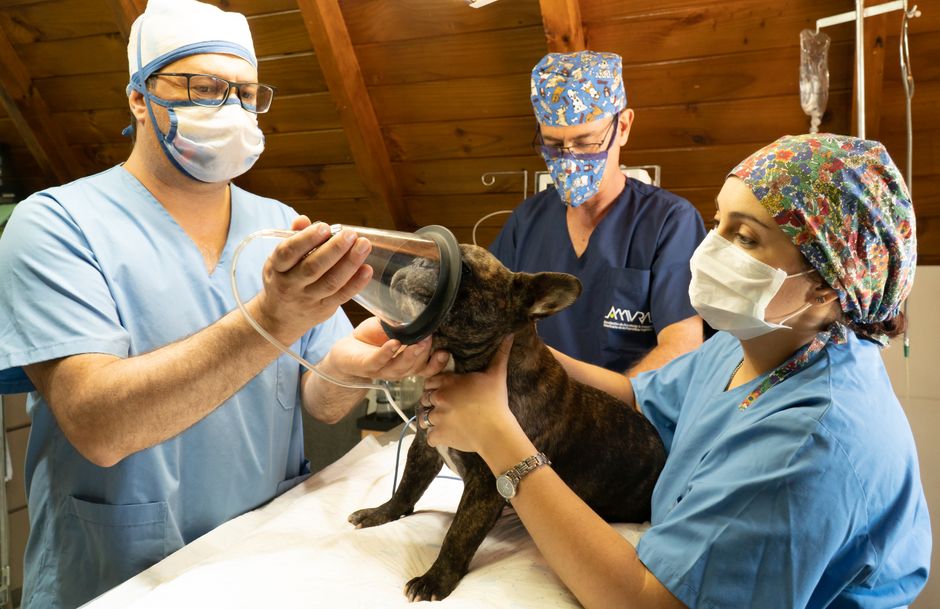
Beyond emergency stabilization, Bulger Veterinary Hospital houses board-certified specialists who handle cases referred by primary care veterinarians throughout the region. The most prominently documented specialty is surgery, with a board-certified surgeon performing minimally invasive procedures. A photo caption from the hospital’s Yelp page specifically notes that minimally invasive surgery uses a few small incisions, leading to quicker recovery times compared to traditional open surgery. This approach reduces post-operative pain, shortens hospital stays, and gets pets back home faster.
Internal medicine specialists diagnose and manage complex diseases affecting the kidneys, liver, gastrointestinal tract, endocrine system, and other internal organs. These cases often arrive after a primary care veterinarian has exhausted initial diagnostic and treatment options. The internal medicine team uses advanced imaging, including ultrasound, and performs endoscopic procedures to obtain tissue samples without major surgery.
The hospital’s affiliation with the Ethos Veterinary Health network suggests access to additional specialties, either on-site or through coordinated referral pathways within the network. While the publicly available information does not explicitly list neurology, oncology, or cardiology as on-site services, the “reimagining veterinary medicine” tagline and the scale of the Ethos network imply a broader depth of resources than what appears in basic directory listings. Referring veterinarians use the rvetlink portal to send cases directly to the appropriate specialist, which keeps communication efficient and records complete.
Bulger Veterinary Hospital also functions as a primary care provider for routine and preventive medicine. Pet owners can schedule physical exams, vaccinations, and wellness visits for dogs, cats, and exotic pets. This means a family can establish an ongoing relationship with the hospital for annual checkups while knowing the same facility can handle emergencies or specialty referrals if needed.
Dental care falls under the primary care umbrella as well. Professional cleanings, oral health assessments, and treatment for periodontal disease help prevent the systemic health problems that untreated dental issues can cause. The online client portal through ezyVet allows pet owners to schedule these routine appointments, access vaccination records, and review lab results without making phone calls during business hours.
One of Bulger’s distinguishing features is its explicit commitment to treating exotic animals. Many general practices limit their patient roster to dogs and cats, leaving owners of birds, reptiles, and small mammals scrambling to find qualified care. Bulger accepts exotic species for both emergency and wellness services.
The exotic animal service covers birds, reptiles such as lizards and snakes, and small mammals including rabbits, guinea pigs, and ferrets. These species have unique physiologies, drug sensitivities, and husbandry requirements that demand specialized knowledge. A veterinarian who excels with canine patients may not have the training to safely anesthetize a parrot or diagnose metabolic bone disease in a bearded dragon. Bulger’s exotic animal patients benefit from the same 24/7 emergency coverage, in-house diagnostics, and access to advanced imaging that dog and cat owners rely on.
Bulger Veterinary Hospital currently holds a 3.1-star rating on Yelp based on 214 reviews. That number deserves honest context rather than dismissal or spin. Emergency and specialty veterinary hospitals routinely receive lower average ratings than general practices, and the reasons are structural rather than indicative of poor medicine.
High-stakes emergency visits involve frightened owners, critically ill pets, and treatment plans that can cost thousands of dollars. When a beloved animal dies despite a team’s best efforts, the emotional weight of that outcome often translates into a negative review. Long wait times, another common complaint, reflect the triage system that prioritizes the most critical patients first. A pet with a minor wound may sit in the waiting room for hours while the team stabilizes a hit-by-car case in the back, and that experience feels frustrating even when medically appropriate.
Positive reviews tend to highlight the availability of care when no other options exist, the skill of the specialists, and the convenience of having emergency, surgery, and internal medicine in one location. Pet owners who have faced complex cases often express gratitude for the coordinated approach that keeps their animal under one roof rather than shuttling between multiple facilities. Prospective clients should read reviews with this context in mind and weigh the hospital’s capabilities against the inherent stresses of emergency medicine.
Bulger Veterinary Hospital does not publish a price list online, a practice that is standard across emergency and specialty veterinary hospitals. The cost of care varies too widely based on the specific condition, diagnostics required, and treatment path to reduce to a simple menu. An emergency exam fee in the Greater Boston area typically ranges from $150 to $250, but that figure covers only the initial assessment. Advanced diagnostics such as CT scans, MRI, or comprehensive ultrasound can add hundreds to thousands of dollars. Surgery, hospitalization, and intensive care push costs higher still.
The hospital expects payment at the time of service. Pet owners should plan to use credit cards, debit cards, or cash. Bulger does not advertise in-house payment plans, which is consistent with most emergency and specialty practices. Instead, many clients turn to third-party financing options like CareCredit or Scratchpay. These services allow pet owners to spread large, unexpected veterinary bills across monthly payments, often with promotional interest-free periods if the balance is paid within a set timeframe.
From a business perspective, the cost structure of a 24/7 specialty hospital explains why prices run higher than at a general practice. Staffing a facility with board-certified specialists, emergency veterinarians, and skilled technicians around the clock requires significant payroll expenditure. Advanced imaging equipment, surgical suites, and in-house laboratory capabilities represent capital investments that must be recouped. Facilities like Bulger Veterinary Hospital often depend on strategic financial planning and access to capital to maintain their standard of care while managing operational overhead. For veterinary practice owners, understanding these financial dynamics is essential when considering expansion into emergency or specialty services. Resources that explore financing options for veterinary practices can provide context on how clinics fund equipment purchases, facility upgrades, and staffing growth.
The research available on Bulger Veterinary Hospital does not include detailed biographies of individual veterinarians, a gap that the hospital’s website may fill with updated staff profiles. What is clear from the facility’s service offerings and Ethos network affiliation is the presence of board-certified specialists in surgery and internal medicine, along with veterinarians dedicated to emergency and critical care.
Board certification requires years of additional training beyond veterinary school, including a multi-year residency and rigorous examinations. A board-certified surgeon, for instance, has completed a surgical residency and passed a credentialing process that verifies expertise in advanced procedures. The minimally invasive surgery documented at Bulger reflects this level of training.
Veterinary technicians form the backbone of a 24/7 hospital’s daily operations. These professionals monitor hospitalized patients through the night, assist in surgery, run laboratory tests, and communicate with worried pet owners. The hospital is currently hiring, with job listings posted through an Avature portal, which indicates ongoing investment in staffing levels. For pet owners researching the hospital, the quality of the team directly affects outcomes. For veterinary professionals reading this profile, the staffing model at a facility like Bulger illustrates the personnel investment required to sustain round-the-clock specialty care.
The Merrimack Valley and Greater Boston areas offer several veterinary options, and understanding how Bulger fits into the landscape helps pet owners make informed choices. Bradford Animal Hospital operates as a general practice serving the local community. For routine wellness care, vaccinations, and minor illnesses, a general practice like Bradford provides a more intimate, lower-cost setting. However, Bradford does not offer 24/7 emergency coverage or on-site specialty surgery and internal medicine. A pet needing after-hours care or advanced diagnostics would likely be referred to Bulger or a similar facility.
Mass Vet in Woburn represents a direct competitor in the emergency and specialty space. Both hospitals belong to larger veterinary networks, both offer 24/7 emergency care, and both employ board-certified specialists. The choice between them often comes down to geographic convenience and the specific specialist availability for a given case. A pet owner in Lawrence will reach Bulger faster than Woburn, and in an emergency, minutes matter.
Port City Animal Hospital provides another general practice alternative. Again, the distinction lies in scope. For a routine dental cleaning or annual exam, Port City may serve perfectly well. For a dog hit by a car at 2 a.m. or a cat needing an internal medicine workup, Bulger is the clear choice.
Bulger’s “Reimagining Veterinary Medicine” tagline and its emphasis on minimally invasive surgery suggest a deliberate focus on advancing beyond traditional approaches. The integration of digital tools, including the client portal and referral portal, further distinguishes the hospital’s operational style from smaller practices that rely on phone calls and paper records.
Does Bulger Veterinary Hospital treat birds? Yes. The hospital explicitly provides care for exotic animals, including birds, reptiles, and small mammals. Exotic pet owners can access both emergency and wellness services.
Do I need a referral to see a specialist at Bulger? A referral from a primary care veterinarian is preferred for specialty appointments, and the rvetlink portal exists specifically to facilitate those referrals. However, the 24/7 emergency service accepts walk-ins without any referral. A pet owner concerned about a complex medical issue can also contact the hospital directly to discuss scheduling a specialty consultation.
Is Bulger Veterinary Hospital open on Christmas Day? Yes. The hospital operates 24 hours a day, 365 days a year, including Christmas, Thanksgiving, New Year’s Day, and every other holiday. Staffing levels may vary on major holidays, but the doors remain open and emergency care is available.
How do I access my pet’s medical records? Through the ezyVet client portal on the hospital’s website. Once registered, pet owners can log in to view vaccination records, lab results, and visit summaries.
Does Bulger offer payment plans? The hospital does not advertise in-house payment plans. Pet owners seeking to spread out costs typically use third-party financing services such as CareCredit or Scratchpay, which offer payment structures for veterinary expenses.
Bulger Veterinary Hospital offers a combination of services that few facilities in the region match. The 24/7 emergency availability means a pet never has to wait until morning for critical care. The presence of board-certified specialists in surgery and internal medicine keeps advanced diagnostics and treatment under one roof. The inclusion of exotic animal care extends that safety net to species that many practices turn away.
Pet owners should walk in with realistic expectations. Emergency rooms operate on triage, not first-come-first-served, and wait times can be long during busy periods. Costs reflect the specialized staffing, advanced equipment, and around-the-clock overhead required to sustain this level of care. Third-party financing can help manage those expenses, but the bills will be higher than at a general practice.
For immediate emergencies, the path is straightforward: call (978) 682-9905 or drive directly to 141 Winthrop Ave, Lawrence, MA 01843. For non-emergency needs, the online client portal provides a convenient way to schedule primary care visits or specialty consultations. The hospital’s four-decade history, its integration with the Ethos Veterinary Health network, and its investment in minimally invasive surgical techniques position it as a regional leader in veterinary medicine. For pet owners researching veterinary practice financing, facilities like Bulger demonstrate the operational scale and capital requirements that define modern specialty and emergency hospitals.
If you are searching for Catskill veterinary services, you have likely encountered two distinct practices in the Hudson Valley and wondered which one is right for your pet. The confusion is understandable. One is a rapidly expanding multi-location practice with 24/7 emergency care and a massive new flagship hospital under construction. The other is a long-established, AAHA-accredited animal hospital serving a single community. This article clears up the difference, gives you realistic cost expectations, and addresses the financial anxiety that hits hardest when a pet needs care you did not budget for.
Two Practices, One Name: Avoiding Confusion in the Hudson Valley
What to Expect from Catskill Veterinary Services (Rock Hill, Middletown & Newburgh)
The Real Cost of Vet Care in Catskill (And Why You Need a Plan)
How to Finance Your Pet’s Care at Catskill Veterinary Services
Frequently Asked Questions About Catskill Veterinary Services
The name “Catskill” appears on two separate veterinary businesses, and they are not affiliated. Knowing which is which saves you time, miles, and possibly a critical delay in an emergency.
Catskill Veterinary Services, PLLC operates three locations: Rock Hill, Middletown, and the Town of Newburgh. This practice covers Sullivan and Orange Counties and has built its reputation on accessibility, offering 24/7 emergency phone triage and a team of over 70 staff members. It began as a mobile farm-call practice and has grown aggressively into a regional network.

Catskill Animal Hospital is a single-location practice in Catskill, New York, serving Greene County. It holds AAHA accreditation, a voluntary credential signaling that the hospital meets more than 900 standards of veterinary excellence. Fewer than 15 percent of animal hospitals in the United States earn this distinction.
If your zip code places you near Middletown, Rock Hill, or Newburgh, Catskill Veterinary Services is your likely match. If you live in or around the village of Catskill itself, Catskill Animal Hospital is the AAHA-accredited option in your backyard.
Catskill Veterinary Services has transformed from a one-veterinarian house-call operation into a regional powerhouse. Understanding its structure helps you anticipate both the level of care and the potential costs.
The practice is building a new flagship Veterinary Medical Center in Rock Hill, with an expected opening in October 2026. At over 15,000 square feet, the facility will house advanced surgical suites, digital imaging technology, and dedicated isolation wards for contagious patients. This is not a modest clinic expansion. It is a major capital investment designed to centralize advanced procedures under one roof.

A facility of this scale implies higher overhead, which can translate to higher procedure costs compared to smaller, independent clinics. Advanced equipment, specialized staffing, and round-the-clock operations all factor into the fees you see on an invoice. Pet owners who plan to use the new Rock Hill center for surgeries or emergency visits should prepare for pricing that reflects the upgraded environment.
Catskill Veterinary Services was established in 2012 by Dr. Joseph D’Abbraccio as a house-call and farm-call practice serving horses, livestock, and companion animals across the region. The Rock Hill hospital opened in 2017, adding a physical base for surgeries, diagnostics, and inpatient care. Mobile and ambulatory services remain available for rural clients who cannot easily transport large animals or prefer at-home visits.
The practice operates a 24/7 emergency phone triage line at 845-796-5919. This means you can call at any hour, describe your pet’s symptoms, and receive guidance on whether immediate care is necessary. The triage line does not replace an in-person exam, but it helps you make an informed decision before driving to the emergency entrance, potentially saving you an unnecessary trip and its associated cost.
For pet owners in Greene County, Catskill Animal Hospital offers a different value proposition. The AAHA accreditation is a meaningful trust signal. To maintain it, the hospital undergoes regular evaluations covering everything from surgical protocols and anesthesia monitoring to pain management and client communication. This voluntary commitment to exceeding baseline standards appeals to quality-conscious owners who want assurance that their pet’s care meets rigorous benchmarks.
The trade-off is coverage. Catskill Animal Hospital is a single location. It does not offer the multi-site convenience or the 24/7 emergency infrastructure that Catskill Veterinary Services provides. For routine wellness exams, vaccinations, dental cleanings, and non-emergency internal medicine, it remains a strong choice, particularly for those who prioritize accredited quality over geographic flexibility.
Veterinary pricing in the Hudson Valley follows a pattern familiar to pet owners nationwide: few clinics publish their fees online, and the final bill depends on variables that are hard to predict. This opacity creates stress, especially when a pet needs immediate care.
Neither Catskill Veterinary Services nor Catskill Animal Hospital publishes a price list for common services. This is standard in the industry, but it leaves pet owners guessing. Based on regional averages for New York’s Hudson Valley, here are realistic estimates for 2026:
A routine wellness exam typically runs between $50 and $100. Core vaccinations, such as DHPP and rabies, add $25 to $50 each. A spay or neuter procedure can range from $200 to $600 depending on the pet’s size, age, and health status. An after-hours emergency visit, before any treatment or diagnostics, often carries an exam fee of $150 to $300 or more.
These are estimates. Your actual cost will depend on your pet’s specific needs, the location you visit, and any additional diagnostics the veterinarian recommends. Calling ahead for a treatment plan estimate is always wise, especially for non-emergency procedures.
A pet emergency at 2 AM is terrifying enough without the added panic of an empty bank account. When a veterinarian presents a treatment estimate that runs into the thousands, pet owners face a brutal question: what do I do if I have no money for the vet?
Several options exist, though not all work in every situation. CareCredit and Scratchpay are third-party healthcare financing platforms accepted by many veterinary practices. They function like credit cards or installment loans for medical expenses. Pet insurance from providers like Trupanion or Healthy Paws can reimburse a large portion of eligible costs, but insurance operates on a reimbursement model. You pay the clinic upfront and wait for the claim to process.
For pet owners who do not qualify for traditional credit cards or who need a solution that pays the veterinarian directly, a dedicated veterinary loan can bridge the gap between life-saving care and your bank account. These loans are structured specifically for pet medical expenses, with fixed terms and fast approval timelines that match the urgency of an emergency room visit.
Pet owners often ask whether it costs less to visit a general veterinary practice or an animal hospital. The answer depends entirely on the situation, but the cost difference is real and worth understanding before you need either one.
A general practice like Catskill Animal Hospital handles routine and preventive care: annual exams, vaccinations, minor illnesses, and scheduled surgeries. Overhead is lower, hours are limited to standard business times, and pricing reflects that structure. For a wellness visit or a non-urgent ear infection, this is the more affordable route.
An emergency or urgent-care facility like Catskill Veterinary Services operates with higher fixed costs. Staffing a clinic 24/7, maintaining advanced surgical suites, and stocking emergency medications all require significant investment. These costs appear in higher exam fees and procedure charges. For a sudden illness at 2 AM, a hit-by-car trauma, or a bloating dog, you go to the ER. The premium you pay buys immediate access to care that a daytime general practice cannot provide.
The practical advice is straightforward. For routine shots and checkups, choose a general practice and keep your costs predictable. For after-hours emergencies, go where the 24/7 infrastructure exists. Either way, having a financing plan ready before the crisis arrives keeps the focus on your pet’s health rather than the invoice.
When a veterinarian recommends a treatment plan costing $2,000 or more, the conversation shifts quickly from medicine to money. Understanding your financing options in advance removes that friction.
In-house payment plans, where the veterinary practice itself extends credit and allows you to pay over time, are rare. Most clinics do not offer them due to the administrative burden and collection risk. Relying on a clinic to provide a payment plan is a gamble that can leave you without options when you need them most.
Pet insurance is an excellent long-term strategy for managing predictable monthly costs and protecting against catastrophic expenses. However, insurance requires you to pay the veterinarian at the time of service and then submit a claim for reimbursement. If you do not have the funds available upfront, insurance alone does not solve the immediate problem.
Veterinary loans fill this gap. They offer fast approval, often within minutes, and the lender pays the veterinary practice directly. Fixed monthly payments and clear terms make the expense manageable without delaying treatment. For large, unexpected bills such as emergency surgery, hospitalization, or advanced diagnostics, a vet loan turns an impossible lump sum into a structured obligation you can handle.
The application process for a veterinary loan is designed for speed. You typically need a valid government-issued ID, proof of income such as a pay stub or bank statement, and a treatment estimate from the veterinarian. Some lenders work with borrowers who have less-than-perfect credit, evaluating income and employment stability rather than relying solely on a credit score.
Approval decisions often come within minutes, and funds can be available the same day. This timeline matters when your pet is waiting in an exam room and the veterinarian needs authorization to proceed. Preparing your documentation ahead of time, even if your pet is currently healthy, means you are ready to act when an emergency strikes.
Does Catskill Veterinary Services offer payment plans?
The practice does not advertise in-house payment plans. Most pet owners use third-party financing such as CareCredit, Scratchpay, or a dedicated veterinary loan to manage larger bills. Always confirm accepted payment and financing methods when you schedule your appointment.
Is Dr. Pol still working as a vet?
No. Dr. Jan Pol is a television personality based in Michigan. He is not affiliated with Catskill Veterinary Services or Catskill Animal Hospital. The confusion likely stems from the similar-sounding name and the rural, farm-oriented origins of the Catskill practice.
What are the hours for the Newburgh location?
Hours vary by location and season. The emergency triage line at 845-796-5919 operates 24/7 and can provide current hours for the Rock Hill, Middletown, and Newburgh sites. Calling ahead is the most reliable way to confirm availability.
Can I get a loan for a routine checkup?
Yes. Veterinary loans are not restricted to emergencies. They can cover any veterinary expense, from a $100 wellness exam and vaccinations to a $5,000 surgical procedure. The loan amount and terms scale to your needs.
The Hudson Valley offers two distinct paths for veterinary care under the Catskill name. Catskill Veterinary Services provides multi-location convenience, 24/7 emergency access, and a forthcoming flagship hospital that will elevate the standard of care in the region. Catskill Animal Hospital delivers AAHA-accredited quality for Greene County residents who value rigorous third-party oversight. Both practices serve their communities with skill and compassion.
The best veterinarian in the world cannot help your pet if you cannot afford the bill. That reality is uncomfortable, but ignoring it does not make it disappear. A sudden illness or injury should not force an impossible choice between your pet’s life and your financial stability. Prepare for the unexpected. Secure your financing now so you can say yes to the treatment your pet deserves, without hesitation, when the moment arrives.
If you are searching for Catskill veterinary services, you have likely encountered two distinct practices in the Hudson Valley and wondered which one is right for your pet. The confusion is understandable. One is a rapidly expanding multi-location practice with 24/7 emergency care and a massive new flagship hospital under construction. The other is a long-established, AAHA-accredited animal hospital serving a single community. This article clears up the difference, gives you realistic cost expectations, and addresses the financial anxiety that hits hardest when a pet needs care you did not budget for.
Two Practices, One Name: Avoiding Confusion in the Hudson Valley
What to Expect from Catskill Veterinary Services (Rock Hill, Middletown & Newburgh)
The Real Cost of Vet Care in Catskill (And Why You Need a Plan)
How to Finance Your Pet’s Care at Catskill Veterinary Services
Frequently Asked Questions About Catskill Veterinary Services
The name “Catskill” appears on two separate veterinary businesses, and they are not affiliated. Knowing which is which saves you time, miles, and possibly a critical delay in an emergency.
Catskill Veterinary Services, PLLC operates three locations: Rock Hill, Middletown, and the Town of Newburgh. This practice covers Sullivan and Orange Counties and has built its reputation on accessibility, offering 24/7 emergency phone triage and a team of over 70 staff members. It began as a mobile farm-call practice and has grown aggressively into a regional network.
Catskill Animal Hospital is a single-location practice in Catskill, New York, serving Greene County. It holds AAHA accreditation, a voluntary credential signaling that the hospital meets more than 900 standards of veterinary excellence. Fewer than 15 percent of animal hospitals in the United States earn this distinction.
If your zip code places you near Middletown, Rock Hill, or Newburgh, Catskill Veterinary Services is your likely match. If you live in or around the village of Catskill itself, Catskill Animal Hospital is the AAHA-accredited option in your backyard.
Catskill Veterinary Services has transformed from a one-veterinarian house-call operation into a regional powerhouse. Understanding its structure helps you anticipate both the level of care and the potential costs.
The practice is building a new flagship Veterinary Medical Center in Rock Hill, with an expected opening in October 2026. At over 15,000 square feet, the facility will house advanced surgical suites, digital imaging technology, and dedicated isolation wards for contagious patients. This is not a modest clinic expansion. It is a major capital investment designed to centralize advanced procedures under one roof.
A facility of this scale implies higher overhead, which can translate to higher procedure costs compared to smaller, independent clinics. Advanced equipment, specialized staffing, and round-the-clock operations all factor into the fees you see on an invoice. Pet owners who plan to use the new Rock Hill center for surgeries or emergency visits should prepare for pricing that reflects the upgraded environment.
Catskill Veterinary Services was established in 2012 by Dr. Joseph D’Abbraccio as a house-call and farm-call practice serving horses, livestock, and companion animals across the region. The Rock Hill hospital opened in 2017, adding a physical base for surgeries, diagnostics, and inpatient care. Mobile and ambulatory services remain available for rural clients who cannot easily transport large animals or prefer at-home visits.
The practice operates a 24/7 emergency phone triage line at 845-796-5919. This means you can call at any hour, describe your pet’s symptoms, and receive guidance on whether immediate care is necessary. The triage line does not replace an in-person exam, but it helps you make an informed decision before driving to the emergency entrance, potentially saving you an unnecessary trip and its associated cost.
For pet owners in Greene County, Catskill Animal Hospital offers a different value proposition. The AAHA accreditation is a meaningful trust signal. To maintain it, the hospital undergoes regular evaluations covering everything from surgical protocols and anesthesia monitoring to pain management and client communication. This voluntary commitment to exceeding baseline standards appeals to quality-conscious owners who want assurance that their pet’s care meets rigorous benchmarks.
The trade-off is coverage. Catskill Animal Hospital is a single location. It does not offer the multi-site convenience or the 24/7 emergency infrastructure that Catskill Veterinary Services provides. For routine wellness exams, vaccinations, dental cleanings, and non-emergency internal medicine, it remains a strong choice, particularly for those who prioritize accredited quality over geographic flexibility.
Veterinary pricing in the Hudson Valley follows a pattern familiar to pet owners nationwide: few clinics publish their fees online, and the final bill depends on variables that are hard to predict. This opacity creates stress, especially when a pet needs immediate care.
Neither Catskill Veterinary Services nor Catskill Animal Hospital publishes a price list for common services. This is standard in the industry, but it leaves pet owners guessing. Based on regional averages for New York’s Hudson Valley, here are realistic estimates for 2026:
A routine wellness exam typically runs between $50 and $100. Core vaccinations, such as DHPP and rabies, add $25 to $50 each. A spay or neuter procedure can range from $200 to $600 depending on the pet’s size, age, and health status. An after-hours emergency visit, before any treatment or diagnostics, often carries an exam fee of $150 to $300 or more.
These are estimates. Your actual cost will depend on your pet’s specific needs, the location you visit, and any additional diagnostics the veterinarian recommends. Calling ahead for a treatment plan estimate is always wise, especially for non-emergency procedures.
A pet emergency at 2 AM is terrifying enough without the added panic of an empty bank account. When a veterinarian presents a treatment estimate that runs into the thousands, pet owners face a brutal question: what do I do if I have no money for the vet?
Several options exist, though not all work in every situation. CareCredit and Scratchpay are third-party healthcare financing platforms accepted by many veterinary practices. They function like credit cards or installment loans for medical expenses. Pet insurance from providers like Trupanion or Healthy Paws can reimburse a large portion of eligible costs, but insurance operates on a reimbursement model. You pay the clinic upfront and wait for the claim to process.
For pet owners who do not qualify for traditional credit cards or who need a solution that pays the veterinarian directly, a dedicated veterinary loan can bridge the gap between life-saving care and your bank account. These loans are structured specifically for pet medical expenses, with fixed terms and fast approval timelines that match the urgency of an emergency room visit.
Pet owners often ask whether it costs less to visit a general veterinary practice or an animal hospital. The answer depends entirely on the situation, but the cost difference is real and worth understanding before you need either one.
A general practice like Catskill Animal Hospital handles routine and preventive care: annual exams, vaccinations, minor illnesses, and scheduled surgeries. Overhead is lower, hours are limited to standard business times, and pricing reflects that structure. For a wellness visit or a non-urgent ear infection, this is the more affordable route.
An emergency or urgent-care facility like Catskill Veterinary Services operates with higher fixed costs. Staffing a clinic 24/7, maintaining advanced surgical suites, and stocking emergency medications all require significant investment. These costs appear in higher exam fees and procedure charges. For a sudden illness at 2 AM, a hit-by-car trauma, or a bloating dog, you go to the ER. The premium you pay buys immediate access to care that a daytime general practice cannot provide.
The practical advice is straightforward. For routine shots and checkups, choose a general practice and keep your costs predictable. For after-hours emergencies, go where the 24/7 infrastructure exists. Either way, having a financing plan ready before the crisis arrives keeps the focus on your pet’s health rather than the invoice.
When a veterinarian recommends a treatment plan costing $2,000 or more, the conversation shifts quickly from medicine to money. Understanding your financing options in advance removes that friction.
In-house payment plans, where the veterinary practice itself extends credit and allows you to pay over time, are rare. Most clinics do not offer them due to the administrative burden and collection risk. Relying on a clinic to provide a payment plan is a gamble that can leave you without options when you need them most.
Pet insurance is an excellent long-term strategy for managing predictable monthly costs and protecting against catastrophic expenses. However, insurance requires you to pay the veterinarian at the time of service and then submit a claim for reimbursement. If you do not have the funds available upfront, insurance alone does not solve the immediate problem.
Veterinary loans fill this gap. They offer fast approval, often within minutes, and the lender pays the veterinary practice directly. Fixed monthly payments and clear terms make the expense manageable without delaying treatment. For large, unexpected bills such as emergency surgery, hospitalization, or advanced diagnostics, a vet loan turns an impossible lump sum into a structured obligation you can handle.
The application process for a veterinary loan is designed for speed. You typically need a valid government-issued ID, proof of income such as a pay stub or bank statement, and a treatment estimate from the veterinarian. Some lenders work with borrowers who have less-than-perfect credit, evaluating income and employment stability rather than relying solely on a credit score.
Approval decisions often come within minutes, and funds can be available the same day. This timeline matters when your pet is waiting in an exam room and the veterinarian needs authorization to proceed. Preparing your documentation ahead of time, even if your pet is currently healthy, means you are ready to act when an emergency strikes.
Does Catskill Veterinary Services offer payment plans?
The practice does not advertise in-house payment plans. Most pet owners use third-party financing such as CareCredit, Scratchpay, or a dedicated veterinary loan to manage larger bills. Always confirm accepted payment and financing methods when you schedule your appointment.
Is Dr. Pol still working as a vet?
No. Dr. Jan Pol is a television personality based in Michigan. He is not affiliated with Catskill Veterinary Services or Catskill Animal Hospital. The confusion likely stems from the similar-sounding name and the rural, farm-oriented origins of the Catskill practice.
What are the hours for the Newburgh location?
Hours vary by location and season. The emergency triage line at 845-796-5919 operates 24/7 and can provide current hours for the Rock Hill, Middletown, and Newburgh sites. Calling ahead is the most reliable way to confirm availability.
Can I get a loan for a routine checkup?
Yes. Veterinary loans are not restricted to emergencies. They can cover any veterinary expense, from a $100 wellness exam and vaccinations to a $5,000 surgical procedure. The loan amount and terms scale to your needs.
The Hudson Valley offers two distinct paths for veterinary care under the Catskill name. Catskill Veterinary Services provides multi-location convenience, 24/7 emergency access, and a forthcoming flagship hospital that will elevate the standard of care in the region. Catskill Animal Hospital delivers AAHA-accredited quality for Greene County residents who value rigorous third-party oversight. Both practices serve their communities with skill and compassion.
The best veterinarian in the world cannot help your pet if you cannot afford the bill. That reality is uncomfortable, but ignoring it does not make it disappear. A sudden illness or injury should not force an impossible choice between your pet’s life and your financial stability. Prepare for the unexpected. Secure your financing now so you can say yes to the treatment your pet deserves, without hesitation, when the moment arrives.
The U.S. pet industry is on a trajectory that few other consumer sectors can match, with total spending projected to reach roughly $165 billion in 2026. That number captures everything from premium kibble to advanced oncology treatments, and it signals a fundamental shift in how Americans care for their animals. For investors looking at veterinary stocks in 2026, the sector offers a rare combination of defensive stability and growth potential. While major retailers like PetSmart and PetCo remain privately held, a concentrated group of publicly traded companies gives investors direct access to the diagnostics, pharmaceuticals, insurance, and services that drive modern veterinary medicine. This article identifies the top veterinary stocks worth watching, explains the forces behind their growth, and lays out a framework for building an informed investment strategy.
Why Veterinary Stocks Are Gaining Investor Attention in 2026
Veterinary Stocks vs. Pet Industry ETFs: Which Approach Is Right for You?
The investment case for veterinary stocks rests on a foundation that has strengthened through economic cycles, pandemics, and shifting consumer behavior. At its core is the pet humanization trend: owners now treat their dogs and cats as family members, a status that translates into willingness to pay for advanced diagnostics, prescription diets, and specialized veterinary care. This is not a niche phenomenon. Data from the American Pet Products Association shows that 66 percent of U.S. households, roughly 86.9 million homes, own a pet, and 77 percent of those owners say the current economy has not affected their pet ownership.
That resilience is backed by history. Pet product sales increased during the 2008 financial crisis and again during the COVID-19 pandemic, reinforcing the sector’s reputation as a defensive play within consumer markets. When household budgets tighten, pet care ranks closer to essential spending than discretionary indulgence.

The market’s scale supports the optimism. The global pet industry is expected to grow from $320 billion to nearly $500 billion by 2030, with the U.S. market alone tracking a long-term compound annual growth rate of approximately 6.6 percent through 2031. Within that expansion, veterinary-specific spending on diagnostics, treatments, and insurance is growing faster than general pet food and supplies, driven by an aging pet population and the availability of procedures that simply did not exist a decade ago.
Limited public market exposure adds another layer of appeal. With PetSmart taken private in 2015 for roughly $8.7 billion and PetCo also off public exchanges, the universe of pure-play veterinary and pet health stocks is concentrated. The companies that do trade capture disproportionate attention, pricing power, and market share, giving investors a focused set of opportunities in a sprawling industry.
Zoetis stands as the largest pure-play animal health company in the world, with a portfolio that spans pharmaceuticals, vaccines, and diagnostics for both companion animals and livestock. The company’s scale provides a competitive moat that smaller rivals cannot easily replicate, and its product lines include many of the parasite preventatives and vaccines that veterinary clinics rely on daily.
What makes Zoetis particularly compelling for a veterinary stocks portfolio is the hidden growth inside its diagnostics and genetics units. These segments currently generate roughly 7 percent of total revenue but are expanding at double-digit rates. Management has indicated that companion-animal DNA testing alone could become a billion-dollar opportunity by 2034, as breeders and pet owners increasingly turn to genetic screening for hereditary conditions. On the financial side, Zoetis offers something rare in this sector: a dividend. The yield sits around 0.8 percent, modest but meaningful for a company that also delivers consistent revenue growth and strong free cash flow. For investors who want large-cap stability with exposure to the fastest-growing corners of veterinary medicine, Zoetis is the anchor holding.
If Zoetis is the pharmaceutical anchor, IDEXX is the diagnostics engine. The company dominates in-clinic testing, reference laboratory services, and practice management software for veterinary clinics worldwide. Its instruments sit in thousands of practices, and the consumables those instruments require create a recurring revenue stream that insulates the business from economic swings.
IDEXX benefits from several growth catalysts that should persist through 2026 and beyond. Preventive care testing is becoming standard practice as pet owners embrace annual bloodwork and urinalysis for their animals, mirroring trends in human healthcare. International markets, particularly in Europe and Asia, remain underpenetrated relative to the U.S., offering a long runway for expansion. The integration of AI-driven diagnostic tools into its software platform further strengthens the company’s value proposition to clinics. The primary risk is valuation: IDEXX trades at premium multiples, which makes the stock sensitive to interest rate changes and any deceleration in its growth rate. Investors pay for quality here, and the price of admission is high.
Chewy is not a traditional veterinary practice stock, but its growing role in veterinary-adjacent spending makes it impossible to ignore. The online retailer sells pet food, supplies, and pharmacy products, and its Chewy Health platform has expanded into veterinary telehealth, connecting pet owners with licensed veterinarians for virtual consultations.

The company’s financial foundation rests on its auto-ship subscription program, which contributes roughly 80 to 82 percent of total sales. That recurring revenue provides stability and predictability, even as customer acquisition growth has slowed from pandemic-era highs. Chewy’s pharmacy and prescription fulfillment services position it as a direct beneficiary of increased veterinary spending: when a veterinarian prescribes a medication or a specialized diet, Chewy captures a meaningful share of those fulfillment dollars. After significant share price declines, analysts see potential upside as the company matures toward sustained profitability. For investors who want veterinary sector exposure through a consumer-facing e-commerce lens, Chewy offers a different risk-reward profile than the pure healthcare plays.
Freshpet occupies a unique niche at the intersection of pet food and veterinary science. The company produces refrigerated, natural pet food sold through retail partners, capitalizing on the humanization trend and growing demand for minimally processed diets. Veterinarians increasingly recommend fresh food options for pets struggling with allergies, obesity, and digestive issues, which gives Freshpet a professional endorsement channel that traditional kibble brands often lack.
The growth numbers are striking. Earnings are expected to grow 40 percent in 2025 and 70 percent in 2026, yet shares have traded significantly below prior highs. Analysts’ consensus price targets suggest approximately 92 percent upside from depressed levels, reflecting a disconnect between operational performance and market sentiment. The risks are real: Freshpet must maintain retail shelf space against larger competitors, manage a complex fresh supply chain, and prove that its growth trajectory is sustainable. This is a higher-volatility name suited for investors who can stomach the swings in exchange for exposure to one of the fastest-growing corners of the pet health market.
Trupanion provides medical insurance for cats and dogs, a business model directly aligned with rising veterinary costs and pet owner willingness to spend on advanced care. The company’s growth story hinges on a simple statistic: less than 5 percent of U.S. pets are currently insured, leaving a massive addressable market as veterinary bills climb and awareness of insurance options grows.
Recent regulatory developments signal pricing power. Regulators in New York and California approved rate increases of 18 percent and 12 percent, respectively, demonstrating that Trupanion can adjust premiums to match rising claim costs while maintaining actuarial discipline. This is a critical positive signal for an insurance business model that depends on accurate underwriting. Investors should note that Trupanion remains unprofitable on a GAAP basis, and the key metrics to watch are loss ratios and customer acquisition costs. If the company can scale while keeping those numbers in check, the long-term opportunity is substantial.
PetIQ operates a dual model that provides veterinary services, pet medications, and wellness products through retail partnerships and company-operated clinics. Its competitive advantage lies in affordability: by offering lower-cost alternatives to traditional veterinary clinics, often through clinic-within-retail locations, PetIQ appeals to price-sensitive pet owners who might otherwise skip preventive care.
The growth catalysts include expansion of its clinic footprint and increasing demand for accessible, affordable veterinary services. This is a small-cap stock, however, and that brings higher volatility and liquidity risk. PetIQ is best suited for investors with higher risk tolerance who want exposure to the veterinary services segment without paying the premium multiples commanded by Zoetis and IDEXX.
Tractor Supply is not a pure veterinary stock, but its Petsense stores and the acquisition of Allivet, an online veterinary pharmacy, make it a meaningful player in pet and veterinary-adjacent spending. The company primarily serves rural and suburban markets, capturing a demographic that traditional veterinary stocks often miss.
The diversification benefit is significant. Tractor Supply’s revenue comes from pet supplies, hardware, fencing, and livestock equipment, which provides a natural hedge against volatility in any single category. The expansion of Petsense locations and integration of Allivet’s pharmacy services give the company a direct line into the veterinary spending channel. For investors who want pet sector exposure within a broader, financially stable retail operation, Tractor Supply offers a distinctive entry point.
Investing in veterinary stocks requires looking beyond the headline growth rates. Revenue growth must be weighed against valuation. Zoetis and IDEXX typically trade at premium forward P/E ratios, reflecting their market dominance and predictable earnings. Chewy and Freshpet may offer value entry points after price declines, but those opportunities come with higher uncertainty about future profitability.
Recurring revenue percentage is a critical quality metric. Companies with high auto-ship penetration, like Chewy, or consumable-driven models, like Zoetis with its parasite preventatives and IDEXX with its testing consumables, tend to be more recession-resistant than those dependent on one-time purchases. This metric deserves as much attention as top-line growth when comparing stocks across the sector.
Regulatory risk is underappreciated in most coverage of this space. FDA regulations on pet food ingredients can affect Freshpet’s formulations and marketing claims. Veterinary licensing requirements for telehealth services create a patchwork of state-level rules that Chewy and other telehealth providers must navigate. Insurance rate approval processes, while currently favorable for Trupanion, could become more restrictive if regulators perceive premiums are rising too quickly. No single article in the current coverage landscape adequately addresses these risks, and investors should factor them into position sizing.
Private company competition adds opacity. PetSmart and PetCo’s market share moves are not visible through quarterly filings, and their potential future IPOs could reshape competitive dynamics overnight. The concentrated public market that makes veterinary stocks attractive today could become more crowded, compressing valuations across the board.
Dividend considerations matter for income-focused investors. Zoetis is the only major veterinary stock with a meaningful dividend. Investors who need yield may need to look at the broader pet sector, consider ETFs, or accept that most veterinary stocks prioritize reinvestment over shareholder payouts.
The ProShares Pet Care ETF, trading under the ticker PAWZ, offers diversified exposure across the pet ecosystem with net assets of approximately $79 million. The fund holds Zoetis, IDEXX, Chewy, Freshpet, and other pet industry names in a single position, providing automatic rebalancing and reduced single-stock risk.
Individual stocks offer higher upside potential from concentrated bets on specific growth stories. An investor who believes Freshpet’s turnaround will outpace the broader sector, or that Trupanion’s insurance expansion is undervalued, can express that conviction directly. The tradeoff is higher volatility and the need for deeper research.
A practical portfolio construction approach is to use PAWZ or a similar ETF as a core holding, then supplement with individual positions in the veterinary stocks that have the strongest growth catalysts relative to their current valuations. This captures the sector’s broad tailwinds while allowing for targeted exposure to the companies you believe will outperform.
What is the best veterinary stock to buy in 2026? There is no single consensus answer. Zoetis offers large-cap stability and a dividend. IDEXX offers diagnostics dominance with recurring revenue. Freshpet offers high-growth potential with higher risk. The right choice depends on your risk tolerance and investment horizon.
Are there any publicly traded veterinary companies? Yes. Zoetis, IDEXX Laboratories, Trupanion, PetIQ, and PetMed Express all trade on U.S. exchanges, along with crossover plays like Chewy and Tractor Supply.
Who are the biggest veterinary companies by market share? Zoetis and IDEXX are the dominant large-cap players in animal health and diagnostics. PetIQ and the recently acquired Heska are key mid-cap competitors in the services and diagnostics segments.
Is the veterinary sector recession-proof? No sector is completely recession-proof, but pet spending has historically held up better than discretionary consumer spending. The humanization trend and the essential nature of veterinary care provide meaningful downside protection.
Do veterinary stocks pay dividends? Zoetis pays a modest dividend with a yield around 0.8 percent. Most other veterinary stocks reinvest earnings into growth and do not offer dividends, making Zoetis the primary option for income-oriented investors in this space.
The veterinary sector combines defensive characteristics with structural growth tailwinds from pet humanization, rising spending, and low insurance penetration. Investors should match stock selection to their risk profile: large-cap Zoetis and IDEXX for stability, Chewy and Freshpet for growth exposure, and Trupanion for a pure play on the insurance opportunity. Diversification across sub-sectors, including diagnostics, food, insurance, and retail, or through an ETF like PAWZ, can reduce single-stock risk while maintaining exposure to a market that shows no signs of slowing down.
Finding a veterinarian you can trust with your pet’s health is a deeply personal decision. For families in Royal Oak and the greater Birmingham, Michigan area, Burrwood Veterinary has quickly become a name associated with progressive medicine, honest communication, and compassionate service. Located at 4245 W 14 Mile Rd, this clinic blends urgent care accessibility with thorough wellness and personalized treatment plans. Whether you are searching for a same-day sick visit, a routine dental cleaning, or a long-term management strategy for a chronic condition, Burrwood Veterinary positions itself as a modern alternative to traditional high-volume clinics. This guide walks through everything you need to know: the services offered, the team behind the care, what to expect for pricing, and how their commitment to transparency shapes every client interaction.
Meet Burrwood Veterinary: Location, Philosophy, and the Team Behind the Care
Services at Burrwood Veterinary: What You Can Expect for Your Pet
How Much Does Burrwood Veterinary Cost? Pricing Transparency and Payment Options
What Real Clients Say: Burrwood Veterinary Reviews and Reputation
Why Burrwood Veterinary Stands Out: A Modern Approach to Pet Care
Burrwood Veterinary operates out of a dedicated facility at 4245 W 14 Mile Rd, Royal Oak, MI 48073. The clinic can be reached by phone at (248) 581-4500, and general inquiries are welcome at hello@burrwoodvet.com. The practice is currently open Monday through Wednesday from 8:30 am to 6:00 pm, a limited schedule that reflects a focused, high-quality approach rather than a high-volume assembly line. Clients are encouraged to book appointments online to secure one of those coveted weekday slots.
The philosophy driving the clinic is spelled out clearly on its website: progressive medicine, transparency, and trust. The team states plainly that they treat every animal as if it were their own. That promise carries weight in an industry where pet owners often feel rushed through exams or left in the dark about treatment options and costs. At the clinical helm is Dr. Alex, a veterinarian with advanced education spanning emergency medicine, dentistry, chronic disease management, surgery, and preventative care. That breadth of expertise means a single doctor can often manage complex cases that might otherwise require referrals to multiple specialists.
A less obvious but meaningful differentiator is the clinic’s workplace culture. The practice has quietly embraced an introvert-friendly environment, a notable stance given that research suggests a significant portion of veterinary professionals and pet owners alike thrive in calmer, low-stimulation settings. For clients, that translates into a quieter waiting area, unhurried conversations, and a team that listens carefully before acting. The Instagram presence at @burrwoodvet reinforces this modern sensibility, showcasing a clean, contemporary facility and a team that values connection over chaos.
Not every pet health scare requires a midnight trip to a 24-hour emergency hospital, but waiting days for an appointment with a general practitioner is not always safe either. Burrwood Veterinary fills that gap with dedicated urgent care services. The tagline “Better Care, when you need it the most” signals a commitment to same-day or next-day availability for non-life-threatening conditions that still demand prompt attention.
Urgent care at a clinic like this typically covers issues such as sudden vomiting or diarrhea, minor lacerations, limping and lameness, allergic reactions with facial swelling or hives, eye redness and discharge, urinary straining, and mild respiratory distress. These are conditions where your pet is uncomfortable or at risk of worsening but is still stable enough to avoid an emergency room. Dr. Alex’s advanced training in emergency medicine directly supports this service line, equipping the clinic to triage efficiently and determine whether a case can be managed on-site or truly needs escalation to a 24-hour facility. For Royal Oak pet owners, having a local urgent care option reduces stress, travel time, and often cost compared to an ER visit.

Routine wellness care forms the backbone of any good veterinary relationship, and Burrwood Veterinary structures its preventative services around the principle that catching problems early saves money, suffering, and heartbreak. Core wellness offerings include annual physical exams, core and lifestyle-based vaccinations, parasite prevention for fleas, ticks, and heartworm, and nutritional counseling tailored to your pet’s age, breed, and activity level.
A thorough pet physical at Burrwood involves evaluating the heart and lungs, examining the eyes and ears, assessing dental health, checking weight and body condition, palpating the abdomen, and evaluating joint mobility. These exams often uncover subtle changes that owners miss at home: a heart murmur, early dental disease, or gradual weight gain that predisposes a pet to arthritis or diabetes. While the clinic does not publish a specific vaccine menu online, the team builds customized immunization schedules based on each animal’s risk profile. Prospective clients should call or book a visit to receive a personalized prevention plan. Investing in consistent wellness care is one of the most effective ways to reduce the likelihood of expensive emergency interventions down the road.
The “personalized care” pillar at Burrwood Veterinary goes beyond a marketing phrase. It reflects a commitment to tailoring every treatment plan to the individual animal, not just the diagnosis. For pets with chronic conditions like diabetes, kidney disease, arthritis, or inflammatory bowel disease, this means ongoing monitoring, medication adjustments, and clear communication with the owner about what to expect and when to worry.
Dental cleaning and extraction services are a confirmed part of the clinic’s repertoire, as noted by Yelp reviewers. Oral health is tightly linked to systemic health in pets, and untreated dental disease can lead to heart, liver, and kidney complications. Burrwood’s dental offerings include prophylactic cleaning under anesthesia, digital dental radiography, and surgical extractions when teeth are beyond saving. The clinic also performs soft tissue surgeries, including spay and neuter procedures and mass removals. Throughout any treatment process, the transparency promise means clients receive straightforward explanations of what is necessary, what is optional, and what each option costs before any procedure begins.
One of the most common questions pet owners ask about any veterinary practice is what services will cost. Related searches for “Burrwood veterinary cost” and “Burrwood veterinary prices” confirm that local pet owners are actively seeking pricing information before booking. Burrwood Veterinary does not publish a detailed fee schedule online, which is standard for independent clinics where costs vary based on the individual patient’s needs. However, understanding typical price ranges in the Royal Oak area helps set expectations.
A standard office visit or exam fee in this region generally falls between $50 and $100. Dental cleanings, which include anesthesia, scaling, polishing, and radiographs, typically range from $300 to $700 depending on the severity of tartar buildup and whether extractions are needed. Urgent care visits may carry a slight premium over routine exams, often adding $50 to $150 to the base visit fee. For the most accurate estimate, calling the clinic directly at (248) 581-4500 and describing your pet’s situation is the recommended approach. The staff can provide a treatment plan with itemized costs before you commit.
When it comes to paying for care, Burrwood Veterinary accepts CareCredit, a healthcare credit card designed specifically for medical and veterinary expenses. CareCredit allows clients to spread payments over time with promotional financing options, making larger bills more manageable. The clinic’s acceptance of this payment method directly addresses the anxiety behind the frequently searched question, “What do vets do if you can’t pay?” If CareCredit is not the right fit, clients should ask about any additional payment plans or financial hardship policies the clinic may offer. Pet insurance is another avenue worth exploring. While Burrwood does not explicitly state whether it processes direct insurance billing, many pet insurance providers reimburse the client after payment. Calling the clinic to confirm how they handle insurance claims and what documentation they provide is a smart step for insured pet owners. For those considering financing options for larger veterinary expenses, resources exist that explain how specialized lending works for pet care costs.
As of July 2026, Burrwood Veterinary holds a 4.6-star rating on Yelp based on 29 reviews. That score, while drawn from a relatively small sample, places the clinic firmly in the “highly regarded” category among local competitors. Reviewers consistently praise the friendly demeanor of the staff, the cleanliness of the facility, and Dr. Alex’s diagnostic skill and willingness to explain findings in plain language. Several comments highlight the transparent communication around treatment options and costs, reinforcing the clinic’s stated philosophy.
Constructive feedback tends to center on the limited operating hours. Being open only Monday through Wednesday can pose scheduling challenges for working pet owners, and some reviewers note that appointment availability fills quickly. A few mention wait times, though this is not uncommon for a practice that prioritizes thorough exams over rushed visits. The clinic’s active social media presence on Facebook and Instagram provides additional social proof, with photos of the facility, team members, and patient success stories that give prospective clients a feel for the environment before they ever step through the door. Clients who have had positive experiences are encouraged to leave their own reviews to help other pet owners make informed decisions.
Scheduling a visit is designed to be straightforward. The clinic’s website features an online booking tool that allows clients to select a service type and available time slot without playing phone tag. For those who prefer a human touch, calling (248) 581-4500 during business hours connects you directly with the front desk.
First-time clients should prepare a few items to streamline the check-in process. Bring your pet’s complete medical history, including vaccination records and a list of any current medications with dosages. If your pet has seen another veterinarian previously, having those records transferred ahead of time saves delays. Arriving 15 minutes early allows time for new client paperwork. If your visit is for a wellness exam or gastrointestinal concern, bringing a fresh fecal sample can expedite diagnostic testing. For prescription refills and preventative medications, the clinic’s online pharmacy, powered by Covetrus, offers home delivery of approved products. Given the Monday-through-Wednesday schedule, plan appointments carefully and check the website or social media for any updates to hours during holidays or inclement weather.
The clinic’s online presence does not explicitly list which species it treats. Yelp categorizes the business under “Veterinarians” with related searches including “Cat Veterinarian” and “Exotic Animal Veterinary Care,” suggesting that potential clients are curious about this point. The safest approach is to call (248) 581-4500 and confirm whether your specific type of pet, be it a rabbit, reptile, bird, or small mammal, falls within Dr. Alex’s scope of practice before booking.
Most independent veterinary practices in the area welcome new clients, and Burrwood’s active promotion of online booking suggests they are open to growing their patient base. The best way to confirm current availability is to attempt booking through the website or calling the clinic directly.
The clinic does not advertise a specific partnership with any pet insurance company. Clients with existing policies should contact their provider to understand reimbursement procedures and ask Burrwood’s staff what documentation they supply for claims. Some clinics offer direct billing, but this is not yet standard across the industry.
Because Burrwood Veterinary is open only Monday through Wednesday, after-hours emergencies on other days require a different plan. Oakland County is served by several 24-hour emergency veterinary hospitals. Clients should identify the nearest one and save its contact information before a crisis occurs. The clinic may provide a referral list upon request.
Online search data confirms that job seekers are looking for openings at this clinic. Anyone interested in joining the team should check the practice’s website for a careers page, follow its LinkedIn presence if one exists, or reach out via email with a resume and cover letter expressing interest.
Royal Oak has no shortage of veterinary options, yet Burrwood Veterinary carves out a distinct identity. The combination of progressive medicine, a multi-disciplinary lead veterinarian, and an explicit commitment to transparency addresses the frustrations many pet owners feel at larger, less personal practices. The introvert-friendly culture, while subtle, creates an environment where both anxious pets and their humans can feel genuinely at ease. There are no hidden fees sprung on clients at checkout, no rushed five-minute exams, and no reluctance to discuss all available treatment paths.
One area where the clinic’s public profile remains quiet is community involvement. Local partnerships with shelters, rescue groups, or pet-related events are not prominently featured online. Curious clients might consider asking about this during their visit or even suggesting collaborations. For now, the focus remains squarely on clinical excellence and client communication. If you are looking for a veterinary partner that combines urgent care access with thorough preventative medicine and a personal touch, booking an appointment at Burrwood Veterinary is a logical next step. Experience the standard of care that the “Better Care, when you need it the most” promise was built to deliver.
If you are searching for reliable veterinary care in Stark County, Soehnlen Veterinary Clinic has likely appeared on your radar. This guide pulls together everything you need to know about the clinic in 2026, from its exact hours and address to the services that set it apart from other practices in the Navarre, OH area. Whether you are a long-time client, a new pet owner comparing options, or a veterinary student exploring elective rotations, the information here is designed to give you a clear, honest picture of what to expect when you walk through the doors at 6315 Beth Ave SW.
Soehnlen Veterinary Clinic: Quick Facts & Contact Information
Soehnlen Veterinary Clinic vs. Corporate Vets: Why Private Ownership Matters
Conclusion: Is Soehnlen Veterinary Clinic Right for Your Pet?
Finding accurate contact details for a local business should be simple, but conflicting addresses sometimes appear online. Soehnlen Veterinary Clinic operates primarily out of 6315 Beth Ave SW, Navarre, OH 44662, though some older listings still reference a Brinker St SW address. The main phone number is (330) 484-5297, and the clinic can be reached by email at soehnlenrvt@aol.com for non-urgent inquiries.

The clinic is owned and supervised by David Soehnlen DVM, who leads a team of 20 staff members, including four full-time veterinarians. This is a mixed-animal practice situated on a working family cattle farm, which gives the facility a character you will not find at a standard suburban veterinary office. Current operating hours for 2026 are Monday and Wednesday from 9:00 AM to 6:00 PM, Tuesday, Thursday, and Friday from 9:00 AM to 4:30 PM, and Saturday from 8:00 AM to 12:00 PM. The clinic is closed on Sundays. On Yelp, the practice holds a 3.9-star rating based on 16 reviews, reflecting a generally positive local reputation with some room for improvement in administrative areas.
The range of services available at Soehnlen Veterinary Clinic extends well beyond basic checkups. Understanding what the clinic can handle in-house helps you decide whether it fits your pet’s needs, from routine preventive care to more advanced procedures.
Annual wellness exams form the foundation of the clinic’s medical offerings. These physical assessments allow the veterinary team to catch potential health issues early and keep your pet’s vaccination schedule on track. The practice performs spay and neuter surgeries, dental cleanings and procedures, and general X-ray imaging for diagnosing fractures, obstructions, or joint problems. An in-house laboratory means bloodwork, urinalysis, and other diagnostic tests can be processed quickly, often during the same visit, rather than being sent to an outside facility.
Two services worth highlighting are the surgical laser and therapeutic laser options. Surgical lasers are used during certain procedures to reduce bleeding, minimize swelling, and speed recovery time compared to traditional scalpel surgery. Therapeutic laser treatments, sometimes called cold laser therapy, help manage chronic pain, reduce inflammation, and promote healing in conditions like arthritis, tendon injuries, and post-surgical recovery. The clinic also offers ultrasound imaging, which provides a non-invasive way to examine internal organs and monitor pregnancies.

One of the most practical features of Soehnlen Veterinary Clinic is its weekly open vaccination clinic, held every Thursday from 3:00 PM to 5:00 PM. This is a walk-in service, meaning no appointment is necessary, and it is reserved for healthy pets only. During these hours, the clinic administers core and elective vaccines, performs nail trims, and offers microchipping services.
For pet owners managing tight budgets or unpredictable schedules, this model removes the barrier of booking an exam slot weeks in advance. The open clinic is designed for efficiency: you arrive, check in, and your pet receives the requested preventive services without the time and cost of a full physical examination. If your pet is due for a rabies booster or you have been meaning to get a microchip implanted for identification purposes, Thursday afternoons are the most straightforward path to getting it done.
Soehnlen Veterinary Clinic operates a boarding facility that goes beyond the typical kennel setup. Yelp photos highlight what clients have described as a wonderful new boarding area with access to an outdoor play space. Pets staying at the clinic benefit from on-site veterinary supervision, which provides peace of mind if your dog or cat has a medical condition that requires monitoring or medication administration while you are away.
Grooming services are also available on the premises. While the clinic does not publish a detailed grooming menu online, standard offerings typically include bathing, brushing, haircuts, and nail care. Having grooming and boarding under the same roof as a full veterinary practice means any health concerns noticed during a groom, such as skin issues or ear infections, can be flagged and addressed promptly.
Cost is one of the most common concerns for pet owners, and it is also the area where publicly available information is thinnest. Here is what you need to know about pricing and payment at Soehnlen Veterinary Clinic in 2026.
Unlike large corporate chains that often post standardized pricing online, Soehnlen Veterinary Clinic does not publish a public price list. This is not unusual for a privately owned practice. The cost of a given procedure depends on several variables: your pet’s species, breed, size, age, and overall health status all factor into the final bill. A dental cleaning for a small dog with healthy teeth will cost less than the same procedure for a senior dog requiring extractions. The best way to get an accurate estimate is to call (330) 484-5297 and describe what your pet needs. The front desk staff can provide a quote tailored to your situation.
The clinic accepts standard payment methods, including credit and debit cards. For larger, unexpected veterinary expenses, Soehnlen partners with two major medical financing providers: CareCredit and Scratchpay. CareCredit functions as a health-specific credit card that can be used for veterinary services, often with promotional financing periods that allow you to pay off a balance over time without interest if you meet the terms. Scratchpay offers a similar installment loan model with fixed payment schedules. Both options can make a multi-thousand-dollar emergency surgery manageable by spreading the cost across several months.
There are several practical ways to keep costs down at Soehnlen Veterinary Clinic. First, use the Thursday open vaccination clinic for routine shots and microchipping. Skipping the exam fee for a healthy pet who only needs preventive services can save a meaningful amount each year. Second, consider pet insurance for accidents and illnesses. A policy that reimburses a percentage of covered expenses can protect you from having to choose between your pet’s health and your finances when something unexpected happens. Third, during your annual wellness visit, ask the veterinarian directly about any wellness packages or bundled service discounts. Privately owned practices sometimes offer seasonal promotions or multi-pet discounts that are not advertised online.
Soehnlen Veterinary Clinic currently holds a 3.9-star rating on Yelp from 16 reviews. That number reflects a generally satisfied client base, though the limited review count means each individual experience carries more weight in the overall score than it would at a practice with hundreds of ratings.
Clients who recommend the clinic frequently point to the convenience of the open vaccination hours and the quality of the boarding facility. The outdoor play area and the fact that pets are housed where veterinarians are present around the clock are recurring points of praise. Reviewers also describe the staff as caring and attentive, which matters enormously when you are entrusting your pet to someone else’s hands.
The most visible negative feedback in the clinic’s review history involves a complaint about medical records handling. Administrative issues like this are frustrating for clients and are worth acknowledging openly. At the same time, a single negative review among years of operation does not define a practice. Soehnlen Veterinary Clinic has served the Navarre community for decades, employs a 20-person team, and maintains a steady client base. That longevity suggests that the day-to-day experience for most pet owners is positive. If you have concerns about record-keeping, a direct conversation with the front desk when you establish care can set clear expectations.
One of the most distinctive aspects of Soehnlen Veterinary Clinic is its role as an official off-site elective location for The Ohio State University College of Veterinary Medicine. This partnership sets the clinic apart from nearly every other practice in the region and speaks to the depth of clinical experience available on the premises.
Veterinary students who rotate through Soehnlen commit to 40 or more hours per week of supervised clinical work. They participate in appointments, assist with surgeries, and gain hands-on exposure to both small animal medicine and large animal care. The mixed-animal nature of the practice is a significant draw: students treat dogs and cats during the day and may also assist with cattle work on the family farm. January is calving season, which provides an intensive large-animal learning experience that many veterinary programs struggle to offer. The clinic also provides student housing on-site, a rare and practical perk that removes the logistical headache of finding short-term lodging in a rural area.
For clients, the teaching environment translates into a practice that stays current. When a clinic trains the next generation of veterinarians, the supervising doctors must remain sharp on the latest protocols, techniques, and research. Students ask questions, challenge assumptions, and bring fresh knowledge from their academic training. Your pet receives care from a team that is engaged in continuous education, not simply going through the motions of a routine schedule.
A question that surfaces frequently in veterinary searches is “Who owns the majority of vet clinics?” The answer has shifted over the past decade, with large corporations like Mars Veterinary Health (which owns VCA and Banfield) and private equity firms acquiring independent practices at a rapid pace. Soehnlen Veterinary Clinic stands apart from this trend. David Soehnlen DVM remains the private owner, and the practice operates as a family-run business rooted in the Navarre community.
Private ownership brings tangible advantages for pet owners. You are more likely to see the same veterinarian visit after visit, which builds a relationship and a medical history that a rotating cast of corporate employees cannot replicate. A privately owned clinic also has greater flexibility to design service models that fit the local community, like the Thursday open vaccination clinic, rather than adhering to a standardized corporate template. Finally, a practice that has been part of a small town for generations tends to have a deeper stake in its reputation and client relationships. When you call Soehnlen Veterinary Clinic, you are calling a business whose owner lives and works in the same community you do.
Q: Does Soehnlen Veterinary Clinic offer emergency services?
A: The clinic does not advertise 24/7 emergency care. For after-hours situations, call (330) 484-5297 to check whether the answering service provides guidance or directs you to the nearest emergency animal hospital. It is wise to identify the closest 24-hour emergency facility before a crisis occurs so you are not scrambling for information in the moment.
Q: What types of pets do they treat?
A: The practice focuses primarily on small animals, meaning dogs and cats. Because the clinic operates on a cattle farm, some large animal work is also part of the caseload, particularly during calving season. If you own an exotic pet such as a bird, reptile, or small mammal, call ahead to confirm whether the veterinarians are comfortable treating that species before you make the drive.
Q: How do I book an appointment?
A: There is no online booking portal for Soehnlen Veterinary Clinic. To schedule a standard appointment, call (330) 484-5297 during business hours and speak with the front desk. For vaccines, nail trims, and microchipping, you can skip the phone call entirely and simply walk in on Thursdays between 3:00 PM and 5:00 PM.
Q: Is the open vaccination clinic really cheaper?
A: Yes. Walk-in vaccine clinics operate with lower overhead than full examination appointments. You pay for the preventive services your pet needs without the additional cost of an office visit or physical exam fee. For a healthy pet who simply needs updated shots, this model offers genuine savings.
Soehnlen Veterinary Clinic offers a combination that is increasingly hard to find: a privately owned, family-operated practice with a mixed-animal caseload, a weekly walk-in vaccination clinic, and a teaching partnership with Ohio State University. The practice is well-suited for pet owners who value continuity of care, appreciate the convenience of Thursday afternoon walk-in preventive services, and want access to boarding facilities supervised by veterinary professionals. The lack of a public price list means you will need to call for specific cost estimates, but the availability of CareCredit and Scratchpay financing provides flexibility for larger bills. To schedule an appointment or ask about pricing for a specific procedure, call (330) 484-5297 or visit the clinic at 6315 Beth Ave SW, Navarre, OH during open hours.
Choosing a veterinarian is one of the most personal decisions a pet owner makes, and for residents of Nederland, Texas, Spurlock Road Veterinary Clinic has been a familiar name since 2007. This guide pulls together everything you need to evaluate the clinic: verified contact details, a breakdown of services, an honest look at client reviews, and answers to the questions other listings leave unanswered, from pricing to emergency protocols. Whether you are new to the area or reconsidering your current vet, here is what you should know before booking an appointment.
Spurlock Road Veterinary Clinic Reviews: What Pet Owners Say
Conclusion: Is Spurlock Road Veterinary Clinic Right for Your Pet?
Spurlock Road Veterinary Clinic sits at 2400 Highway 69 N in Nederland, Texas, a convenient location for pet owners throughout Jefferson County and the broader Southeast Texas region. The phone number is (409) 727-0287, and the clinic operates Monday through Friday from 8:00 AM to 5:00 PM. It remains closed on Saturdays and Sundays, a schedule worth noting if your work hours or personal commitments make weekday visits difficult.
The practice opened its doors in 2007, which means it has been serving the community for nearly two decades. That kind of longevity in one location is not accidental. It suggests a stable client base and a team that has earned enough trust to keep families coming back year after year. The clinic focuses on small animal medicine, so dog and cat owners are the primary audience here. If you have a bird, reptile, or exotic pet, you will likely need to look elsewhere.
The veterinary team includes Dr. Aaron Spiegel and Dr. Madison McGee as the primary doctors. Client reviews also mention a Dr. Chandler, indicating the clinic may have additional veterinary staff or part-time coverage depending on the day. Having multiple veterinarians on rotation is a practical advantage: it increases appointment availability and means a second opinion is always within reach if a case proves complex.

Most veterinary clinics offer similar core services, so what sets one apart often comes down to personality and philosophy. Spurlock Road Veterinary Clinic has a few distinguishing touches worth highlighting.
The most intriguing is the mention of a STEM Program on the clinic’s website. While the site does not elaborate on what the program entails, the presence of such an initiative is unusual for a small animal practice. It could point to partnerships with local schools, youth veterinary science workshops, or community education efforts designed to spark interest in animal medicine. If you have a child curious about becoming a veterinarian, this is something to ask about directly.
The clinic also features an “Our Own Fur Babies” photo gallery showcasing the personal pets of the staff. This small gesture communicates something meaningful: the people treating your animals go home to their own, and they understand the bond you share with your pet on a personal level. Add to that the seasonal educational content the clinic produces, such as flyers on pet hydration and heatstroke awareness, and you get the picture of a team that prioritizes prevention and owner education, not just treatment.
The clinic provides a full spectrum of general practice services for small animals. While the website and third-party listings confirm what is available, the descriptions here fill in the practical details a pet owner actually needs.
Routine and preventative care forms the backbone of the practice. Wellness exams cover a thorough physical assessment, including weight, coat condition, dental health, heart and lung function, and abdominal palpation. Vaccinations are administered based on your pet’s age, lifestyle, and risk factors, with core vaccines like rabies and distemper given alongside lifestyle vaccines such as Bordetella or leptospirosis where appropriate. Parasite prevention, including flea, tick, and heartworm protocols, is also managed through these visits.

Dental health is another area of focus. Professional dental cleanings go well beyond what brushing at home can accomplish, removing tartar buildup below the gumline where periodontal disease starts. Left untreated, dental disease can lead to pain, tooth loss, and systemic infections affecting the heart and kidneys. The clinic performs oral health assessments during routine visits and can schedule cleanings as needed.
Surgical services cover general soft-tissue procedures. Yelp reviews specifically reference Dr. Spiegel performing emergency surgery, which indicates the clinic is equipped to handle urgent cases that fall within its scope of practice. Common soft-tissue surgeries at a general practice include spays and neuters, mass removals, wound repairs, and some abdominal procedures. For orthopedic surgeries or complex specialty cases, a referral to a board-certified surgeon would typically be arranged.
Boarding is an additional service that many clients find convenient. Leaving your pet with a familiar veterinary team rather than a standalone kennel offers peace of mind, especially for animals with medical conditions. The clinic’s website includes a boarding request form, but specific details about kennel sizes, exercise routines, and whether medical boarding is available for pets needing medication administration are not published online. A phone call ahead of any planned travel is the best way to get those answers.
Diagnostic capabilities round out the service list. In-house lab equipment allows for same-day bloodwork, urinalysis, and other tests that speed up diagnosis during sick visits or pre-surgical screenings. Faster results mean faster treatment, and you avoid the wait that comes with sending samples to an external reference lab.
Online reviews for Spurlock Road Veterinary Clinic paint a generally positive picture, though the sample size is small. On Yelp, the clinic holds a 4.3-star rating based on 10 reviews. Apple Maps shows an 83 percent satisfaction score from 12 ratings. Neither number represents a large data set, so prospective clients should read the reviews themselves rather than relying solely on the aggregate score.
The positive feedback centers heavily on Dr. Spiegel. Multiple reviewers describe him as thorough in explaining treatment options, taking the time to walk owners through diagnoses and next steps without rushing the conversation. One review highlights his willingness to perform an emergency surgery, a detail that speaks to both clinical competence and a commitment to being available when a pet’s need is urgent. Clients also mention fair pricing and a caring demeanor from the veterinary staff.
Constructive criticism appears in the form of a review that describes new front desk staff as rude. This is worth acknowledging because the front desk is the first point of contact for every client, whether by phone or in person. A negative interaction at check-in or when scheduling can color the entire experience, even if the medical care is excellent. Staff turnover happens in every business, and one review does not define a clinic, but it is a reminder that client service extends beyond the exam room.
What the reviews do not tell you is perhaps just as important. With fewer than 15 total reviews across major platforms, the clinic does not appear to have a strong online review solicitation strategy. A small review count can make a few negative comments seem disproportionately influential. When evaluating any business with limited online feedback, it helps to ask neighbors, friends, or local social media groups for their firsthand experiences. Word of mouth in a community like Nederland often carries more weight than a handful of Yelp posts.
One of the most common questions pet owners have about any veterinary clinic is also the hardest to answer from public information: what does it cost. Spurlock Road Veterinary Clinic does not publish specific prices for exams, vaccinations, surgeries, or boarding on its website. Related search data confirms that users are actively looking for “Spurlock road veterinary clinic prices” and “cost,” so the demand for transparency is real. If pricing is a deciding factor for you, calling the clinic directly to request estimates for common services is the most reliable approach.
On the insurance and financing side, there is more clarity. According to Pawlicy.com, the clinic accepts pet insurance. How that works in practice depends on your provider. Some insurers reimburse the pet owner after the bill is paid, while others offer direct payment to the clinic. Confirming the process before your visit prevents surprises at checkout. Pet insurance itself is worth considering if you want to protect against high-cost emergencies or chronic conditions, though it typically does not cover pre-existing issues.
For expenses that insurance does not cover, or for pet owners without a policy, the clinic accepts CareCredit and Scratchpay. These are third-party financing options that allow you to spread the cost of treatment over time. CareCredit functions like a healthcare credit card with promotional financing periods, while Scratchpay offers installment plans with fixed rates. Both can make an unexpected surgery or dental procedure manageable without delaying care.
Wellness plans are another potential avenue for savings. Pawlicy.com suggests the clinic may offer or recommend such plans, which bundle preventative services like exams, vaccines, and screenings into a monthly payment rather than a lump sum at each visit. If you prefer predictable budgeting, ask whether any wellness plan options are available when you call.
The clinic’s weekday-only schedule is one of its most significant limitations. Spurlock Road Veterinary Clinic is closed on Saturdays and Sundays, and the website does not list an after-hours emergency number or a referral partner for urgent situations that arise outside of business hours. For a pet owner facing a crisis on a Friday night or over the weekend, this gap in information can be stressful.
Because the clinic does not publish an emergency protocol, the responsibility falls on you to have a backup plan. Identify the nearest 24-hour emergency animal hospital before you need one. In the Beaumont and Nederland area, facilities like Gulf Coast Veterinary Emergency Hospital or other regional emergency centers can provide after-hours critical care. Save their address and phone number in your contacts, and know the route from your home. When minutes matter, you do not want to be searching online for the first time.
For non-emergency situations that feel urgent but can wait until morning, the clinic’s 8:00 AM opening time on weekdays is your window. Calling right at opening improves your chances of being worked into the schedule for a same-day sick visit.
A little preparation before your appointment can make the experience smoother and more productive for both you and your pet.
Book ahead whenever possible. The clinic’s limited weekday hours mean appointment slots fill up, and walk-in availability is never guaranteed. The website offers a “Request an Appointment” widget, or you can call directly at (409) 727-0287. If your pet needs a specific service like a dental cleaning or surgery, mention that when scheduling so the appropriate time block is reserved.
If the STEM Program caught your attention, ask about it during your visit. Whether it is a youth education initiative, a school partnership, or something else entirely, the front desk staff can provide details that the website does not. Showing interest also signals to the clinic that community programs matter to their clients.
For boarding, do not wait until the week before a trip to make arrangements. Call ahead to confirm availability, required vaccinations, and drop-off and pick-up windows. Some clinics have strict policies about which vaccines must be current and how far in advance they must be administered before a boarding stay. Knowing these requirements early prevents last-minute scrambling.
Verify your insurance coverage before the appointment. Even though the clinic accepts pet insurance, your specific provider’s policies on direct billing versus reimbursement can vary. A quick call to both the clinic and your insurer confirms what you will owe at the time of service and what you can expect to be reimbursed later.
What is the address of Spurlock Road Veterinary Clinic?
The clinic is located at 2400 Highway 69 N, Nederland, TX 77627.
What are the hours?
The clinic is open Monday through Friday from 8:00 AM to 5:00 PM. It is closed on Saturday and Sunday.
Do they offer emergency services?
The clinic does not advertise 24/7 emergency care or an after-hours emergency line. Pet owners should identify a nearby emergency animal hospital for urgent needs that arise outside of weekday business hours.
What payment methods do they accept?
The clinic accepts pet insurance and offers third-party financing through CareCredit and Scratchpay. Specific credit card brands and other payment methods are not listed publicly, so confirming with the front desk is recommended.
Who are the veterinarians?
Dr. Aaron Spiegel and Dr. Madison McGee are the primary veterinarians. Dr. Chandler is also mentioned in client reviews and may provide additional coverage.
Does the clinic offer boarding?
Yes, boarding services are available. Contact the clinic directly to confirm rates, kennel availability, and vaccination requirements before booking.
Spurlock Road Veterinary Clinic offers what many pet owners want most: a stable, long-standing practice with experienced veterinarians who take the time to explain their recommendations. Dr. Spiegel in particular earns consistent praise for his thoroughness and surgical skill. The full range of services, from routine wellness care to boarding, makes the clinic a convenient one-stop option for small animal families in Nederland.
The trade-offs are worth weighing. Weekend closures mean planning ahead for any non-emergency issue that arises on a Saturday or Sunday. The absence of published pricing requires a phone call for anyone budgeting their pet’s care. And the small online review footprint means you may want to supplement your research with local word of mouth.
For routine care, general surgery, and a team that treats your pets with the same affection they show their own, Spurlock Road Veterinary Clinic remains a solid choice. Call (409) 727-0287 to schedule an appointment or to ask about the STEM program and any other questions you have before your first visit.
When pet owners search for Pinnacle Veterinary Specialists, they may be looking for one of several distinct practices operating under similar names across the United States. The term does not refer to a single chain or franchise but rather a collection of independent and corporate-affiliated veterinary hospitals scattered from Pennsylvania to California. This article sorts through the confusion, detailing what each major Pinnacle-named practice offers, where they are located, and what you need to know before scheduling a visit or rushing in for emergency care. By the end, you will have a clear picture of which Pinnacle practice fits your pet’s needs and how to avoid the common pitfalls of mistaken identity.
Why “Pinnacle Veterinary Specialists” Can Mean Different Things
Pinnacle Veterinary Specialists — Glen Mills, PA (Emergency & Specialty Hospital)
Pinnacle Veterinary Center — Santa Clarita, CA (General Practice & Exotics)
Frequently Asked Questions About Pinnacle Veterinary Specialists
The name “Pinnacle” appears on veterinary practices in at least five different states, and none of them are connected as a chain. The five most prominent locations include Pinnacle Veterinary Specialists in Glen Mills, Pennsylvania; Pinnacle Veterinary Center in Santa Clarita, California; Pinnacle Veterinary Services in Jamestown, Tennessee; Pinnacle Animal Hospital in Arden, North Carolina; and VCA Pinnacle Animal Hospital in San Jose, California. Each operates under separate ownership, maintains its own policies, and offers a different mix of services.
This fragmentation creates a practical problem for pet owners. A Google search for “Pinnacle Veterinary Specialists” often returns results based on the user’s location, meaning someone in Los Angeles might see the Santa Clarita practice while a Philadelphia-area resident gets the Glen Mills hospital. Before calling or driving to any location, verify the full address and phone number. Mistaking one practice for another could mean showing up at a general wellness clinic when you actually need a 24-hour emergency hospital, or vice versa. The practices do not share patient records, pricing structures, or specialist rosters, so treating them as interchangeable will lead to frustration.
Pinnacle Veterinary Specialists at 600 Evergreen Drive, Suite 110 in Glen Mills, Pennsylvania operates around the clock, 365 days a year. This is the defining feature of the practice and the reason many pet owners in the greater Philadelphia region know the name. When a dog ingests something toxic at midnight or a cat shows signs of respiratory distress on a Sunday morning, this facility is open and staffed with board-certified emergency and critical care specialists.
The practice encourages pet owners to call ahead at (610) 477-8797 when possible, though walk-in emergencies are accepted. Calling gives the team time to prepare for your arrival, especially if your pet requires immediate stabilization or a specific specialist is needed. Emergency visits typically involve triage upon arrival, meaning pets with life-threatening conditions are seen first regardless of arrival order. Pet owners should understand that wait times can vary based on caseload severity, a reality of any emergency hospital. Conditions that warrant an immediate visit include difficulty breathing, uncontrolled bleeding, seizures, suspected poisoning, inability to urinate, severe trauma, and sudden collapse. When in doubt, calling the hospital for guidance is the safest course.
Beyond emergency care, the Glen Mills location houses specialists in cardiology, neurology, internal medicine, radiology, and veterinary surgery. Board certification in veterinary medicine requires years of additional training beyond the standard DVM degree, including a multi-year residency and rigorous examination. When a general practice veterinarian refers a patient to a board-certified specialist, they are sending that pet to someone with deep, focused expertise in a particular discipline.
The collaborative model at this hospital means specialists routinely consult on complex cases. A dog with heart disease who also needs surgery, for example, benefits from having a cardiologist and a surgeon coordinating care under one roof. This internal communication reduces delays and keeps the referring veterinarian informed throughout the process. The practice actively markets itself as an extension of care for general practitioners, positioning the hospital as a partner rather than a competitor. For pet owners, this means the specialist team works in concert with your regular vet, sharing diagnostic results and treatment plans so care continues seamlessly after discharge.
The Glen Mills facility has invested heavily in on-site diagnostic equipment that many general practice clinics cannot match. The hospital features a 16-slice CT scanner, a high-field 1.5T MRI, digital X-ray, and ultrasound. These imaging modalities allow veterinarians to diagnose conditions ranging from brain tumors to spinal cord injuries to complex abdominal diseases without sending patients to an outside imaging center.
An in-house laboratory accelerates the diagnostic process further. Blood work, urinalysis, and other tests that might take days at a reference lab can often be completed within hours on site. Endoscopy and echocardiogram capabilities round out the diagnostic toolkit, enabling minimally invasive examination of the gastrointestinal tract and detailed cardiac assessment. For a pet in critical condition, the speed advantage of having all these tools in one building can be the difference between a treatable condition and a worsening crisis. This technology investment reflects the hospital’s role as a regional referral center, not a routine wellness clinic.
Pinnacle Veterinary Specialists in Glen Mills is veterinarian-owned and independent, a status the practice emphasizes in its messaging. The “medicine first, patient first” philosophy signals that treatment recommendations are driven by medical judgment rather than corporate revenue targets. In an era when corporate consolidation in veterinary medicine has accelerated, independent ownership can appeal to pet owners who prefer care decisions made at the practice level.
This philosophy extends to how the hospital treats its staff. The practice maintains an active recruitment section on its website, positioning itself as a desirable workplace for veterinary professionals. A hospital that invests in its team culture tends to retain experienced staff, which directly benefits patients through continuity of care and accumulated institutional knowledge. For clients, the independent, specialist-driven model means access to advanced care without the standardized protocols that sometimes characterize large corporate networks. The trade-off, however, is that independent practices may have different policies regarding payment plans and insurance acceptance than corporate-owned alternatives, a topic worth exploring before treatment begins.
Pinnacle Veterinary Center at 23026 Soledad Canyon Road in Santa Clarita, California serves a different role than its Pennsylvania namesake. This is a general practice clinic offering wellness exams, vaccinations, dental care, and soft tissue surgery for routine and preventive care. The diagnostic suite includes ultrasound, digital X-rays, and in-house laboratory testing, providing solid capabilities for a primary care setting.
The practice holds a 4.1 rating on Yelp from 229 reviews and a 4.5 rating on Google Reviews, numbers that suggest generally satisfied clients with the usual mix of feedback any busy practice accumulates. The Santa Clarita location has embraced client-facing technology through the PetDesk mobile app, which allows pet owners to book appointments, request medication refills, and view vaccination records from a smartphone. This convenience factor matters for busy families managing multiple pets or those who prefer digital communication over phone calls. The practice also offers emergency visits, though pet owners should call (661) 254-2000 to confirm availability, as this is not a 24/7 facility.
What sets the Santa Clarita practice apart from most general veterinary clinics is its explicit willingness to treat exotic and pocket pets. The practice lists dogs, cats, hamsters, rabbits, snakes, and other exotic species among its patients. This is genuinely rare. The vast majority of general veterinary practices limit care to dogs and cats, leaving owners of guinea pigs, reptiles, and other non-traditional pets scrambling to find qualified care.
Exotic pet medicine requires specialized knowledge of species-specific anatomy, physiology, and disease processes. A veterinarian comfortable treating a rabbit for gastrointestinal stasis or a snake for a respiratory infection has pursued training beyond the standard small-animal curriculum. For owners of these pets, the Santa Clarita Pinnacle location may be the most practical option in the region. When booking an exotic pet appointment, ask whether the veterinarian seeing your pet has specific experience with that species, what diagnostic capabilities are available for exotics, and whether the practice stocks medications appropriate for smaller or unusual patients.
The Santa Clarita practice has built a low-friction onboarding process for new clients. Downloadable Canine and Feline Welcome Kits are available as PDFs, providing new pet owners with essential information about the practice’s services, what to expect during visits, and how to prepare for appointments. These kits serve as a practical tool that reduces anxiety for first-time visitors and saves staff time during check-in.
An online pharmacy and medication refill system allows clients to order preventatives, prescription diets, and ongoing medications without a phone call or separate trip to the clinic. For emergency situations, the practice offers urgent care visits during business hours, though after-hours emergencies will need to be directed to a dedicated emergency hospital in the Santa Clarita area. The combination of digital tools, exotic pet expertise, and comprehensive general practice services makes this location a versatile choice for multi-pet households, particularly those with a mix of traditional and non-traditional animals.
Pinnacle Veterinary Services in Jamestown, Tennessee operates on a more limited schedule than the larger Pinnacle practices. The clinic is open Monday through Friday from 8:00 AM to 4:30 PM, with a lunch closure from 12:00 PM to 1:00 PM. The phone number is (931) 221-2012. This is a smaller, rural practice serving the Jamestown community, and its hours reflect a typical small-town veterinary clinic rather than a regional referral center. Pet owners should call ahead to confirm hours, as seasonal changes or staffing adjustments may affect availability. Do not expect 24/7 emergency services or an extensive list of board-certified specialists at this location.
Pinnacle Animal Hospital in Arden, North Carolina serves the Asheville metropolitan area. Information about this practice’s specific services, hours, and specialist availability is best obtained directly from its website or Google Maps listing. As with all Pinnacle-named practices, verify the address and phone number independently before visiting. The Arden location is separate from the other practices discussed here and should be evaluated on its own merits.
VCA Pinnacle Animal Hospital at 4724 Meridian Avenue in San Jose, California is part of the VCA (Veterinary Centers of America) corporate network. This distinguishes it from the independently owned Pinnacle practices. The hospital is open Monday through Thursday from 7:00 AM to 6:00 PM, Friday from 8:00 AM to 6:00 PM, and offers Saturday hours. The phone number is (408) 264-9400.
Corporate affiliation brings both advantages and considerations. VCA hospitals often have access to standardized protocols, centralized specialist networks, and corporate-level partnerships with pet insurance providers. However, pricing structures, accepted payment methods, and treatment policies may differ from independent practices. VCA hospitals typically accept a range of payment options, but pet owners should confirm specifics before scheduling procedures. The corporate structure also means this location may have different policies regarding payment plans compared to the veterinarian-owned Glen Mills facility.
Selecting the correct Pinnacle practice starts with matching the facility type to your pet’s immediate needs. For a midnight emergency or a complex neurological case, the Glen Mills specialty hospital is the appropriate choice, provided you are within driving distance of southeastern Pennsylvania. For routine vaccinations, dental cleanings, or an exotic pet checkup, the Santa Clarita general practice fits the bill. The Jamestown and Arden locations serve their local communities for primary care needs, while the San Jose VCA hospital offers corporate-backed general practice services.
Before driving to any location, verify the address, hours, and phone number. This step is especially critical during emergencies when minutes matter and showing up at the wrong facility could delay care. Check whether the practice requires a referral from your primary veterinarian, as some specialty services at the Glen Mills hospital may need one. Read recent reviews on Google and Yelp, but interpret them in context: a specialty emergency hospital will naturally accumulate more negative reviews than a wellness clinic because it handles high-stakes, emotionally charged cases with outcomes that are sometimes unfavorable despite best efforts.
None of the Pinnacle-named practices publicly list pricing or detailed financing options on their websites. This is a significant gap, particularly for emergency care where costs can escalate quickly and pet owners face difficult decisions under pressure. The frequently asked question “Does Pinnacle Animal Hospital offer payment plans?” has no universal answer because each practice sets its own financial policies.
When calling any Pinnacle location, ask directly about payment options before treatment begins. Questions worth asking include whether the practice accepts Care Credit, a third-party healthcare financing option common in veterinary medicine; whether pet insurance can be billed directly or if you must pay upfront and seek reimbursement; and whether in-house payment plans are available for large procedures. Request a written estimate before authorizing treatment, and ask what circumstances might cause the final bill to exceed the estimate. Cost transparency matters not just for budgeting but for making informed decisions about your pet’s care without the added stress of financial surprise. For pet owners concerned about managing large veterinary expenses, exploring financing options before an emergency arises is a prudent step that can make a difficult situation more manageable.
Is Pinnacle Veterinary Specialists open 24/7?
Only the Glen Mills, Pennsylvania location operates around the clock. The other Pinnacle-named practices maintain standard business hours, and none offer 24/7 emergency services. If you need after-hours care outside the Glen Mills area, search for a dedicated emergency veterinary hospital near you.
Do I need a referral to see a specialist?
Some specialty services at the Glen Mills hospital require a referral from your primary care veterinarian. Call (610) 477-8797 to confirm whether your pet’s situation needs a referral before scheduling. General practice locations like Santa Clarita and San Jose do not require referrals for routine visits.
Does Pinnacle treat exotic pets?
The Santa Clarita, California location explicitly treats snakes, rabbits, hamsters, guinea pigs, and other exotic species. The other Pinnacle practices focus primarily on dogs and cats. If you own a non-traditional pet, call ahead to confirm the veterinarian’s experience with your specific species.
Is Dr. Pol affiliated with Pinnacle Veterinary?
No. This is a common point of confusion. Dr. Jan Pol practices at Pol Veterinary Services in Weidman, Michigan, which is entirely unrelated to any Pinnacle-named veterinary practice. The similarity in names appears to cause occasional mix-ups among pet owners searching online.
How do I book an appointment?
The Santa Clarita location offers appointment booking through the PetDesk mobile app. All other Pinnacle practices accept phone bookings. Check the specific practice’s website for online scheduling options, as availability varies by location.
The most important takeaway is simple: “Pinnacle Veterinary Specialists” is not one practice. Verify the location, address, and phone number before acting on any information you find online. The Glen Mills hospital stands out for its 24/7 emergency availability, board-certified specialists, and advanced diagnostic technology. The Santa Clarita practice distinguishes itself through exotic pet care and client-facing digital tools. The other Pinnacle-named locations serve their communities as general practice clinics with varying hours and capabilities.
Before an emergency strikes, save the correct phone number for your nearest Pinnacle practice, or whichever veterinary hospital you plan to use. Call ahead to confirm hours, payment options, and insurance acceptance. Check recent reviews to set realistic expectations. A few minutes of preparation now can save critical time and reduce stress when your pet needs care. The right practice for your pet depends on location, the type of care required, and your financial preferences. Confirm those details directly with the practice, and you will be ready when the need arises.
If you are searching for a veterinarian in the Quad Cities, City Line Veterinary Center in Moline, Illinois, is likely on your radar. Also branded as Coyne City Line Veterinary Center, this full-service animal hospital has been serving the community since 2016 and holds a “Locals Love Us” award as one of the top five clinics in the area. Whether you are a new pet parent shopping for a vet or an existing client needing current hours and service details, this guide covers everything: hours, services, pricing context, review analysis, and practical tips the clinic’s own website does not always spell out. By the end, you will know whether this practice fits your pet’s needs and your budget.
About City Line Veterinary Center: A Full-Service Animal Hospital in Moline
Services Offered: What City Line Veterinary Center Can Do for Your Pet
City Line Veterinary Center Reviews: What Pet Owners Are Really Saying
Pricing, Payment Options, and Financial Assistance for Vet Care
How City Line Compares to Other Quad Cities Veterinary Clinics
Frequently Asked Questions About City Line Veterinary Center
Final Thoughts: Is City Line Veterinary Center Right for Your Pet?
Before diving into services and reviews, here is the information most people search for first. City Line Veterinary Center operates out of a single, purpose-built facility in Moline, and its hours are a genuine differentiator in the Quad Cities market.
The clinic is located at 2141 1st Street A, Moline, IL 61265. The building is a two-story structure with on-site parking, designed specifically for veterinary use by Linden Group Inc., a firm that specializes in animal care architecture.
The main phone number is (309) 524-5696, and the email address is contact@citylinevet.com. Calling is the fastest way to book an appointment or ask about same-day availability.
Business hours and doctor hours are not the same, and understanding the difference saves frustration. The facility opens its doors Monday through Friday at 6:30 am and closes at 7:00 pm. On Saturday, business hours run from 6:30 am to 3:00 pm. Sunday hours are 9:00 am to 12:00 pm. However, veterinarians see patients during a narrower window: Monday through Thursday from 8:00 am to 6:30 pm, Friday from 8:00 am to 5:30 pm, Saturday from 8:00 am to 2:30 pm, and Sunday from 9:00 am to 11:30 am.
Sunday doctor hours are rare among Quad Cities veterinary clinics and represent a meaningful advantage for pet owners who cannot take time off during the workweek. If your dog develops a limp on Saturday night, you can see a doctor Sunday morning without visiting an emergency hospital.
The clinic’s Facebook listing indicates walk-in veterinary services are available. Policies can change, so calling ahead to confirm current walk-in availability is wise before making the trip.
City Line Veterinary Center opened in April 2016 as part of the Coyne Veterinary Center network. That affiliation matters because it signals standardized operational protocols, shared resources across locations, and a multi-clinic support structure. For pet owners, this often translates to consistency in care protocols and access to a broader network of veterinary expertise.
The clinic positions itself as a full-service animal hospital, meaning most of your pet’s needs can be met under one roof. Wellness exams, vaccinations, dental cleanings, surgery, imaging and diagnostics, boarding, and doggy daycare are all available on-site. This breadth of service reduces the need for referrals to outside specialists for common procedures.
Community recognition backs up the clinic’s claims. City Line was voted one of the top five veterinary clinics in the Quad Cities through the “Locals Love Us” program, an award based on community voting rather than industry panels. That kind of grassroots recognition carries weight when you are evaluating a local business.
The facility itself is worth noting. Designed by Linden Group Inc., which has worked on other animal care projects including Countryside Veterinary Center and Downers Grove Animal Clinic, the two-story building was built from the ground up for veterinary medicine. This is not a converted retail space; the layout, lighting, noise control, and patient flow were all considered during design.
The clinic’s service list is extensive. Here is how it breaks down by category, with notes on what to expect and what to ask about when you call.
Routine preventive care forms the backbone of any veterinary practice, and City Line offers wellness plans, annual physical exams, and vaccinations. The clinic tailors vaccine protocols to your pet’s lifestyle: an indoor cat needs a different schedule than a dog that hikes the Quad Cities trails or visits dog parks regularly. Parasite prevention and routine bloodwork for senior pets are also standard offerings.
Wellness plans are mentioned on the website but not detailed. Many practices structure these as monthly payment plans that bundle annual exams, vaccines, and routine lab work into a predictable cost. Call the clinic directly to ask what tiers are available and what each plan includes.
City Line maintains an in-house surgery suite for routine procedures like spay and neuter, dental extractions, and soft-tissue surgeries. Having surgical capability on-site means your pet does not need to be referred elsewhere for common operations.
Imaging and diagnostics include digital X-ray, ultrasound, and an in-house laboratory. In-house lab work is a practical advantage: instead of sending bloodwork to an external lab and waiting days for results, the clinic can often provide same-day answers. This speed matters when your pet is sick and treatment decisions cannot wait.
Emergency care is promoted on the clinic’s homepage, and at least one Google review describes a life-saving outcome during a urinary blockage emergency. Urinary blockages in male cats and dogs are time-sensitive and fatal if untreated, so having a local clinic equipped to handle them is reassuring. That said, City Line is not a 24-hour emergency hospital. For after-hours critical emergencies, you may still need to visit a dedicated emergency facility in the Quad Cities area.
Dental disease is one of the most under-treated conditions in pets, and City Line offers teeth cleaning under anesthesia, dental X-rays, and at-home care guidance. Dental X-rays are important because much of the disease hides below the gum line and is invisible during a visual exam. If your pet has not had a dental cleaning in years, this is a service worth prioritizing.
Boarding for dogs and cats is available with supervised care, and doggy daycare serves socialized dogs who need exercise and interaction while their owners are at work. Yelp categorizes the clinic under “Pet Groomers, Veterinarians, and Pet Boarding,” though grooming services should be confirmed by phone, as the website does not detail them separately.
Review research is a natural part of choosing a vet, and City Line’s online reputation requires careful reading. There is a notable discrepancy between the rating displayed on the clinic’s own website and what independent platforms show.
The clinic’s website displays a 4.4-star rating based on 2,229 reviews, but this appears to reference a different Coyne-affiliated clinic, Quakertown Veterinary Clinic, embedded in the page. On Yelp, City Line Veterinary Center holds a 3.3-star rating based on 71 reviews. This gap is significant, and transparency about it helps you make an informed decision.
Positive reviews consistently highlight compassionate staff, life-saving emergency care, clear communication from veterinarians, and the convenience of extended hours. One reviewer specifically praised “Dr. Newman” for attentive, thorough care. Full team bios are available on the clinic’s website for those who want to research specific veterinarians before booking.
Common complaints on Yelp include wait times, pricing surprises, and occasional communication gaps. These themes are not unique to City Line; they appear in reviews for veterinary clinics nationwide. Still, they are worth noting. If you value punctuality, ask about typical wait times when you book. If cost predictability matters, request a written estimate before any procedure.
A practical approach: weigh the volume of Google reviews against Yelp’s smaller sample size, read the most recent reviews on both platforms, and consider visiting the facility for a tour if you remain uncertain. A physical visit often answers questions that online reviews cannot.
Pricing is the single biggest information gap in City Line’s online presence, and it is a gap shared by most veterinary clinics. The practice does not publish a fee schedule online. This is common but frustrating for budget-conscious pet owners trying to plan ahead.
To give you a frame of reference, typical veterinary costs in the Quad Cities market run roughly as follows: a routine exam fee ranges from $50 to $75; a dental cleaning under anesthesia can cost between $300 and $800 depending on extractions and the severity of disease; spay or neuter surgery typically falls between $150 and $400. These are regional benchmarks, not City Line’s actual prices. The only way to get a firm number is to call and request an estimate.
Reputable clinics, including City Line, should provide an itemized written estimate before any non-emergency procedure. Do not hesitate to ask for one. If the estimate feels high, ask what is included and whether any line items are optional.
Payment options to ask about include CareCredit, a healthcare credit card accepted by many veterinary practices, and Scratchpay, which offers payment plans for medical expenses. Some clinics also offer in-house payment plans, though this varies by location. Call City Line directly to confirm which options are currently available.
If you are facing a situation where you have no money for veterinary care, several alternatives exist. Local animal welfare organizations in the Quad Cities area sometimes offer low-cost services or can direct you to resources. The Quad Cities Animal Welfare Center is a starting point. Pet insurance, while not helpful in an immediate crisis, can prevent future financial strain. When planning for a new pet, consider exploring financing options early, including resources that help veterinary practices themselves manage cash flow and equipment costs. For those interested in how clinics fund their operations, there are lending solutions designed specifically for veterinary practices that indirectly support the availability of advanced care in your community.
When choosing a vet, comparison is natural. Yelp’s “You might also consider” section surfaces competitors like Twin Bridges Animal Hospital and River Bend Animal Clinic. Each has its own strengths, and City Line’s value proposition depends on what you prioritize.
City Line’s strongest differentiators are its Sunday hours, walk-in availability, early morning drop-off starting at 6:30 am, and a two-story facility that houses boarding and daycare on-site. For a busy family that needs to drop off a pet early and pick up late, or for someone who needs a Sunday appointment, these features are hard to beat.
Where competitors may win is in public review ratings and pricing transparency. If a clinic openly publishes exam fees or has a higher Yelp score, that can tip the scales for risk-averse pet owners. Neither factor automatically means better medicine, but they do reduce uncertainty.
A simple decision framework helps: check whether the location works for your commute, confirm the hours match your schedule, verify that the services you need are offered, ask about emergency coverage, and trust your gut after a phone call or facility tour. No amount of online research replaces the feel of an in-person interaction with the front desk and medical team.
Once you decide to book, a little preparation makes the first visit smoother. Call (309) 524-5696 during business hours to schedule. Ask about current wait times for new-patient appointments, as these can vary by season.
Transfer your pet’s medical records from your previous veterinarian before the appointment. Ask City Line whether they accept digital records or if you need to bring paper copies. Having vaccination history and past lab results on hand prevents duplicate testing and saves money.
Arrive 15 minutes early. New-patient paperwork typically takes 10 to 15 minutes, and arriving early ensures you are not rushed. Bring a list of your top three questions, whether about vaccine schedules, dental health, nutrition, or a chronic condition you have been monitoring.
If you plan to use walk-in services, call ahead to confirm the current policy. Walk-in availability is listed on Facebook, but staffing levels and same-day capacity can change. A quick phone call prevents a wasted trip.
Is City Line Veterinary Center open on Sundays?
Yes. Business hours on Sunday are 9:00 am to 12:00 pm, and doctor hours are 9:00 am to 11:30 am. This is rare among Quad Cities veterinary clinics and useful for urgent but non-emergency needs that arise over the weekend.
Does City Line Veterinary Center take walk-ins?
The clinic’s Facebook listing indicates walk-in veterinary services are available. However, calling ahead at (309) 524-5696 is recommended to confirm same-day availability and avoid long waits.
What is the cheapest vet in the Quad Cities?
Pricing varies widely. Low-cost options often include local shelters and nonprofit clinics. For full-service care, request written estimates from City Line and competitors to compare costs directly.
What do I do if I have no money for the vet?
Ask the clinic about payment plans, apply for CareCredit or Scratchpay, contact local animal welfare organizations, and check with the Quad Cities Animal Welfare Center for low-cost service referrals.
City Line Veterinary Center is best suited for pet owners who value extended hours, especially Sunday availability, walk-in flexibility, and a full-service facility with boarding and daycare under one roof. The early 6:30 am opening time is a practical advantage for working professionals.
Consider alternatives if published pricing transparency or a higher public review rating is non-negotiable for you. That said, many concerns about cost and service can be resolved with a phone call. Ask for an estimate, tour the facility, and meet the team before making a final judgment.
City Line Veterinary Center is a legitimate, award-recognized, full-service clinic in Moline with genuine strengths in hours, facility design, and emergency capability. Its transparency gaps on pricing and review management are common in the industry and do not necessarily reflect the quality of medicine practiced inside. Call (309) 524-5696 to ask about new-patient availability, request an estimate, or schedule a facility tour. The right vet is the one that meets your pet’s needs and your family’s logistics, and this guide gives you the tools to make that call with confidence.
The term “veterinary exclusive dog food” sits in a strange middle ground that confuses plenty of dog owners. Walk into a farm supply store, see a bag with clinical-looking packaging and phrases like “formulated with veterinarians,” and it is easy to assume you are buying something equivalent to what your vet dispenses. That assumption can cost you money, or worse, leave a genuine medical condition unaddressed. This guide cuts through the marketing haze around veterinary exclusive dog food, with a close look at Exclusive Signature, one of the most visible brands in this category. You will get a straight nutritional breakdown, a comparison against true prescription diets, and the practical information needed to decide whether this food belongs in your dog’s bowl.
How Exclusive Signature Compares to Prescription Veterinary Diets
Final Verdict: Is Veterinary Exclusive Dog Food Right for Your Dog?
The phrase “veterinary exclusive” is not a regulated term, and that is the source of most consumer confusion. It does not mean the food requires a prescription, nor does it mean the food is sold only through veterinary clinics. In Exclusive Pet Food’s case, the brand formulates its recipes with input from Ph.D. animal nutritionists and veterinarians, then sells them through retail channels like Tractor Supply Co., D&L Farm and Home, and independent feed stores. The “exclusive” refers to the formulation expertise and the brand’s positioning as a step above standard grocery brands, not to restricted distribution.
True prescription diets, by contrast, are therapeutic formulas designed to manage specific diagnosed conditions. Pro Plan Veterinary Diets and Royal Canin Veterinary Diets fall into this category. These foods often require veterinary authorization to purchase, and they are formulated to address problems like kidney failure, hydrolyzed protein intolerance, or severe gastrointestinal disease. When shoppers see “veterinary exclusive” on a bag at the feed store, they frequently conflate it with prescription-grade nutrition. The distinction matters because feeding a retail digestive health formula to a dog with chronic pancreatitis, for instance, is not the same as feeding a clinically tested therapeutic diet.
Exclusive Pet Food operates under a philosophy it calls “Preparing Pets Today for Tomorrow’s Adventures.” That framing tells you something about the brand’s target customer: someone with an active, healthy dog who wants to support long-term wellness rather than treat an existing condition. The product line reflects this preventive, maintenance-oriented approach rather than a disease-management one.
Exclusive Pet Food organizes its products into three lines, and knowing the difference helps you pick the right bag. Exclusive Signature is the flagship line, built around the Comfort Care digestive health system and positioned for everyday feeding of adult dogs. Infinia Holistic is the premium tier, emphasizing ingredient sourcing and a holistic formulation philosophy for owners who want to go a step further. Red Flannel targets working and performance dogs: hunting hounds, field trial competitors, and ranch dogs that burn serious calories and need a denser nutritional package. If your dog is a healthy companion animal, Signature is the natural starting point. If you run a high-output working dog, Red Flannel’s performance formulas make more sense. Infinia suits owners who prioritize holistic ingredient panels and are willing to pay the premium.
The Exclusive Signature Adult Chicken and Brown Rice Formula provides a guaranteed analysis of 26 percent crude protein, 16 percent crude fat, and 3 percent crude fiber. That 26:16 protein-to-fat ratio lands in a solid maintenance range for most adult dogs: enough protein to support lean muscle and enough fat for energy and coat condition without being excessive. The calorie density comes in at 3,700 kcal per kilogram, or 392 kcal per eight-ounce cup, which gives you a practical measuring stick for portion control.
Chicken is the number one ingredient, followed by chicken meal, whole grain brown rice, oat meal, and brewers rice. Chicken meal provides a concentrated protein source, while the grain blend supplies digestible carbohydrates and fiber. The formula carries an AAFCO statement confirming it meets nutrient profiles for adult dog maintenance. That is important but limited: it means the food provides complete nutrition for a healthy adult dog, not that it has been tested for any therapeutic benefit.
What the formula excludes is also part of the pitch. There is no corn, wheat, soy, artificial colors, or artificial preservatives. For owners who actively avoid those ingredients, this exclusion list is a meaningful differentiator from many mainstream brands. The ingredient panel reads cleanly, with no obvious fillers or controversial additives.

The brand’s signature feature is the Comfort Care system, a four-part digestive health package. It combines beet pulp fiber, chicory root, a probiotic pack, and a proprietary yeast culture. Beet pulp provides a mix of soluble and insoluble fiber that supports gut motility and stool quality. Chicory root, which is nearly 65 percent fiber by weight, acts as a prebiotic, feeding beneficial gut bacteria. The probiotic pack and proprietary yeast aim to support a healthy microbial balance in the intestinal tract.
Exclusive cites the statistic that up to 70 percent of a pet’s immune system is contained within the digestive system. The broader scientific literature does support the gut-immune connection, though the exact percentage varies by study and context. What matters practically is that supporting digestive health through fiber and probiotics is a sound nutritional strategy for many dogs.
The formula also includes joint-support nutrients: 500 mg/kg of glucosamine and 100 mg/kg of chondroitin sulfate. DHA, sourced from salmon oil, appears at a minimum of 0.02 percent. Omega-3 fatty acids register at 0.4 percent, with Omega-6 at 2.5 percent. These numbers support skin, coat, and joint health at maintenance levels, though they are not therapeutic doses for dogs with active joint disease. One gap worth noting: no independent third-party analysis of the Comfort Care system’s specific efficacy appears in the available data. The science behind the individual components is sound, but the proprietary combination has not been subjected to published peer-reviewed study.
Placing Exclusive Signature alongside true prescription diets clarifies what you are, and are not, getting. Prescription gastrointestinal diets like Pro Plan Veterinary Diets EN Gastroenteric and Royal Canin Veterinary Diet Gastrointestinal are formulated for dogs with diagnosed digestive disease. They often use highly digestible protein sources, restricted fat levels, and specific fiber blends tested in clinical settings. Exclusive Signature takes a preventive approach: support a healthy gut in a dog that does not have a diagnosed condition.
The price gap is substantial. Exclusive Signature starts at $19.99 for smaller bags, with a 35-pound Performance formula priced at $69.99 at D&L Farm and Home. Pro Plan Veterinary Diets range from approximately $41.99 to $197.99 depending on formula and bag size. You can feed a healthy adult dog Exclusive Signature for significantly less than a prescription diet, and for a dog without a medical condition, that savings makes sense.
When a prescription diet is genuinely necessary, however, no retail food substitutes for it. Dogs with inflammatory bowel disease, chronic pancreatitis, kidney disease, or severe food allergies need therapeutic formulations backed by clinical research. In those cases, the veterinary authorization requirement exists for a reason.
Exclusive Signature does offer something prescription brands typically do not: a 100 percent satisfaction guarantee with a direct customer service line at 1-800-332-4738. If your dog does not take to the food, you can get your money back. That consumer-friendly policy reduces the financial risk of trying a new brand.
Pro Plan Veterinary Diets encompasses 37 products, with top-rated formulas like EN Gastroenteric Dry at 4.7 stars across 480 reviews and HA Hydrolyzed Protein at 4.7 stars across 497 reviews. These numbers reflect years of market presence and a large user base. Veterinarians frequently recommend Pro Plan, Hill’s, and Royal Canin because those companies invest heavily in clinical research, feeding trials, and quality control infrastructure. The trade-off is cost and accessibility: you typically need veterinary guidance to select the right formula, and the price per bag runs higher than retail alternatives. The key takeaway is straightforward: veterinary exclusive dog food is not a substitute for a prescription diet when your dog has a diagnosed medical condition. For a healthy dog, it can be a perfectly appropriate choice.
The Exclusive Signature Adult Chicken and Brown Rice Formula holds a 4.6 out of 5-star rating based on 19 reviews on the brand’s official product page. That is a strong score on a small sample. One memorable testimonial comes from a Corgi owner who reported that their dogs physically sorted out kibble from their previous brand, eating only the Exclusive pieces and leaving the rest in the bowl. Stories like that speak to palatability, and a food that a dog eagerly eats solves a real problem for picky eaters.
Working dog owners also weigh in favorably. Testimonials reference coon hounds, horseback field trial dogs, and ranch dogs performing well in demanding conditions. The performance angle aligns with the Red Flannel line, but even the Signature formula appears to satisfy owners of active dogs.
The honest caveat is the sample size. Nineteen reviews do not provide the statistical confidence of Pro Plan’s 480-plus review base. That does not mean the food is inferior; it means the body of user feedback is thinner. On the question of safety, no recall history for Exclusive Signature surfaced in available data. The brand does not maintain a dedicated safety or recall page, which is a gap some buyers will want filled. For owners who research brands by checking recall databases first, the absence of negative history is reassuring, though not the same as proactive transparency.
Switching foods too quickly is one of the most common causes of digestive upset, and it is avoidable with a simple seven-day transition. Days one and two, mix 25 percent new food with 75 percent old food. Days three and four, go to a 50/50 split. Days five and six, shift to 75 percent new and 25 percent old. By day seven, you can feed 100 percent Exclusive Signature.
Watch for loose stool, excessive gas, or reduced appetite during the transition. If any of those appear, slow the process down: stay at the current ratio for an extra day or two before increasing the new food percentage. Use the 392 kcal per cup figure to calculate daily portions based on your dog’s weight and activity level. A sedentary 50-pound dog needs far fewer calories than an active 50-pound field dog, so adjust accordingly.
One critical caution: if your dog is currently on a prescription diet for a diagnosed medical condition, do not switch without consulting your veterinarian. The therapeutic formulation exists for a reason, and disrupting it can trigger a disease flare.
Exclusive Pet Food is sold primarily through farm and feed stores rather than big-box pet chains. Tractor Supply Co., D&L Farm and Home, and HS Country Store are the main retail partners. Pricing starts at $19.99 for smaller bags, with the puppy formula at $35.79 at HS Country Store and the 35-pound Performance formula at $69.99 at D&L Farm and Home. Online availability exists through the brand’s site and select e-commerce platforms, though shipping costs on large bags can offset the retail price advantage.
The Land O’Lakes connection is worth noting. Exclusive Pet Food is manufactured by Land O’Lakes, a major agricultural cooperative with deep experience in animal nutrition. That affiliation provides a level of manufacturing credibility that smaller, independent brands may not have. For buyers who care about who makes their dog’s food, the Land O’Lakes name is a trust signal. To save money, check whether your local retailer offers a loyalty program or email list with discount notifications. In-store pricing sometimes beats online, especially when you factor in shipping.
Is veterinary exclusive dog food the same as prescription dog food? No. Veterinary exclusive refers to retail foods formulated with veterinary and nutritionist input. Prescription diets are therapeutic formulas designed to manage diagnosed medical conditions and often require veterinary authorization.
Do veterinarians actually recommend Exclusive Signature? The brand employs veterinarians and Ph.D. nutritionists in its formulation process, including Michael Schlegel, Ph.D., PAS, Dipl. ACAS-Nutrition, and Katie Redhage, DVM. That is different from a formal endorsement by veterinary associations. Individual vets may recommend it, but the brand does not carry the kind of widespread clinical recommendation that Hill’s or Royal Canin enjoys.
Is Exclusive Signature good for dogs with sensitive stomachs? The Comfort Care system, with its fiber and probiotic components, is designed to support digestive health. Many owners report positive results. However, a dog with a diagnosed gastrointestinal condition needs a veterinarian’s guidance, and a prescription diet may be more appropriate.
Where can I buy veterinary exclusive dog food? Exclusive Signature is available at Tractor Supply Co., D&L Farm and Home, HS Country Store, and similar farm and feed retailers. Online purchasing is also an option through the brand’s website and select e-commerce platforms.
What is the healthiest dog food according to veterinarians? Veterinarians frequently recommend brands with extensive clinical research programs: Hill’s Science Diet, Royal Canin, Purina Pro Plan, and Iams. Exclusive Signature fits into the landscape as a solid retail option for healthy adult dogs, but it does not compete directly with therapeutic prescription lines for disease management.
Exclusive Signature earns its place as a legitimate option for a specific type of dog and owner. The macronutrient profile is solid, the ingredient list is clean, and the Comfort Care system provides a thoughtful digestive health package at a price point that undercuts prescription diets significantly. The satisfaction guarantee removes the financial risk of trying it. For healthy adult dogs, owners wanting a meaningful step up from generic grocery brands, and working or performance dogs needing reliable maintenance nutrition, Exclusive Signature makes sense.
The limitations are real. The review base is small, no independent third-party analysis validates the Comfort Care system’s specific claims, and the brand lacks the deep clinical research infrastructure of the major prescription diet manufacturers. Owners of dogs with diagnosed medical conditions should stick with therapeutic diets prescribed by their veterinarian. Puppies needing specialized growth formulas and owners who want extensive third-party validation may also want to look elsewhere.
The Corgi owner’s story about dogs sorting out old kibble captures something important. Dogs vote with their paws and their appetites. The best food is ultimately the one your dog thrives on: good stool quality, healthy coat, steady energy, and eager eating. This guide gives you the information to make that choice with your eyes open. Exclusive Signature will not replace a prescription diet, and it does not need to. For the right dog, it delivers exactly what it promises.
The term “veterinary exclusive dog food” sits in a strange middle ground that confuses plenty of dog owners. Walk into a farm supply store, see a bag with clinical-looking packaging and phrases like “formulated with veterinarians,” and it is easy to assume you are buying something equivalent to what your vet dispenses. That assumption can cost you money, or worse, leave a genuine medical condition unaddressed. This guide cuts through the marketing haze around veterinary exclusive dog food, with a close look at Exclusive Signature, one of the most visible brands in this category. You will get a straight nutritional breakdown, a comparison against true prescription diets, and the practical information needed to decide whether this food belongs in your dog’s bowl.
How Exclusive Signature Compares to Prescription Veterinary Diets
Final Verdict: Is Veterinary Exclusive Dog Food Right for Your Dog?
The phrase “veterinary exclusive” is not a regulated term, and that is the source of most consumer confusion. It does not mean the food requires a prescription, nor does it mean the food is sold only through veterinary clinics. In Exclusive Pet Food’s case, the brand formulates its recipes with input from Ph.D. animal nutritionists and veterinarians, then sells them through retail channels like Tractor Supply Co., D&L Farm and Home, and independent feed stores. The “exclusive” refers to the formulation expertise and the brand’s positioning as a step above standard grocery brands, not to restricted distribution.
True prescription diets, by contrast, are therapeutic formulas designed to manage specific diagnosed conditions. Pro Plan Veterinary Diets and Royal Canin Veterinary Diets fall into this category. These foods often require veterinary authorization to purchase, and they are formulated to address problems like kidney failure, hydrolyzed protein intolerance, or severe gastrointestinal disease. When shoppers see “veterinary exclusive” on a bag at the feed store, they frequently conflate it with prescription-grade nutrition. The distinction matters because feeding a retail digestive health formula to a dog with chronic pancreatitis, for instance, is not the same as feeding a clinically tested therapeutic diet.
Exclusive Pet Food operates under a philosophy it calls “Preparing Pets Today for Tomorrow’s Adventures.” That framing tells you something about the brand’s target customer: someone with an active, healthy dog who wants to support long-term wellness rather than treat an existing condition. The product line reflects this preventive, maintenance-oriented approach rather than a disease-management one.
Exclusive Pet Food organizes its products into three lines, and knowing the difference helps you pick the right bag. Exclusive Signature is the flagship line, built around the Comfort Care digestive health system and positioned for everyday feeding of adult dogs. Infinia Holistic is the premium tier, emphasizing ingredient sourcing and a holistic formulation philosophy for owners who want to go a step further. Red Flannel targets working and performance dogs: hunting hounds, field trial competitors, and ranch dogs that burn serious calories and need a denser nutritional package. If your dog is a healthy companion animal, Signature is the natural starting point. If you run a high-output working dog, Red Flannel’s performance formulas make more sense. Infinia suits owners who prioritize holistic ingredient panels and are willing to pay the premium.
The Exclusive Signature Adult Chicken and Brown Rice Formula provides a guaranteed analysis of 26 percent crude protein, 16 percent crude fat, and 3 percent crude fiber. That 26:16 protein-to-fat ratio lands in a solid maintenance range for most adult dogs: enough protein to support lean muscle and enough fat for energy and coat condition without being excessive. The calorie density comes in at 3,700 kcal per kilogram, or 392 kcal per eight-ounce cup, which gives you a practical measuring stick for portion control.
Chicken is the number one ingredient, followed by chicken meal, whole grain brown rice, oat meal, and brewers rice. Chicken meal provides a concentrated protein source, while the grain blend supplies digestible carbohydrates and fiber. The formula carries an AAFCO statement confirming it meets nutrient profiles for adult dog maintenance. That is important but limited: it means the food provides complete nutrition for a healthy adult dog, not that it has been tested for any therapeutic benefit.
What the formula excludes is also part of the pitch. There is no corn, wheat, soy, artificial colors, or artificial preservatives. For owners who actively avoid those ingredients, this exclusion list is a meaningful differentiator from many mainstream brands. The ingredient panel reads cleanly, with no obvious fillers or controversial additives.
The brand’s signature feature is the Comfort Care system, a four-part digestive health package. It combines beet pulp fiber, chicory root, a probiotic pack, and a proprietary yeast culture. Beet pulp provides a mix of soluble and insoluble fiber that supports gut motility and stool quality. Chicory root, which is nearly 65 percent fiber by weight, acts as a prebiotic, feeding beneficial gut bacteria. The probiotic pack and proprietary yeast aim to support a healthy microbial balance in the intestinal tract.
Exclusive cites the statistic that up to 70 percent of a pet’s immune system is contained within the digestive system. The broader scientific literature does support the gut-immune connection, though the exact percentage varies by study and context. What matters practically is that supporting digestive health through fiber and probiotics is a sound nutritional strategy for many dogs.
The formula also includes joint-support nutrients: 500 mg/kg of glucosamine and 100 mg/kg of chondroitin sulfate. DHA, sourced from salmon oil, appears at a minimum of 0.02 percent. Omega-3 fatty acids register at 0.4 percent, with Omega-6 at 2.5 percent. These numbers support skin, coat, and joint health at maintenance levels, though they are not therapeutic doses for dogs with active joint disease. One gap worth noting: no independent third-party analysis of the Comfort Care system’s specific efficacy appears in the available data. The science behind the individual components is sound, but the proprietary combination has not been subjected to published peer-reviewed study.
Placing Exclusive Signature alongside true prescription diets clarifies what you are, and are not, getting. Prescription gastrointestinal diets like Pro Plan Veterinary Diets EN Gastroenteric and Royal Canin Veterinary Diet Gastrointestinal are formulated for dogs with diagnosed digestive disease. They often use highly digestible protein sources, restricted fat levels, and specific fiber blends tested in clinical settings. Exclusive Signature takes a preventive approach: support a healthy gut in a dog that does not have a diagnosed condition.
The price gap is substantial. Exclusive Signature starts at $19.99 for smaller bags, with a 35-pound Performance formula priced at $69.99 at D&L Farm and Home. Pro Plan Veterinary Diets range from approximately $41.99 to $197.99 depending on formula and bag size. You can feed a healthy adult dog Exclusive Signature for significantly less than a prescription diet, and for a dog without a medical condition, that savings makes sense.
When a prescription diet is genuinely necessary, however, no retail food substitutes for it. Dogs with inflammatory bowel disease, chronic pancreatitis, kidney disease, or severe food allergies need therapeutic formulations backed by clinical research. In those cases, the veterinary authorization requirement exists for a reason.
Exclusive Signature does offer something prescription brands typically do not: a 100 percent satisfaction guarantee with a direct customer service line at 1-800-332-4738. If your dog does not take to the food, you can get your money back. That consumer-friendly policy reduces the financial risk of trying a new brand.
Pro Plan Veterinary Diets encompasses 37 products, with top-rated formulas like EN Gastroenteric Dry at 4.7 stars across 480 reviews and HA Hydrolyzed Protein at 4.7 stars across 497 reviews. These numbers reflect years of market presence and a large user base. Veterinarians frequently recommend Pro Plan, Hill’s, and Royal Canin because those companies invest heavily in clinical research, feeding trials, and quality control infrastructure. The trade-off is cost and accessibility: you typically need veterinary guidance to select the right formula, and the price per bag runs higher than retail alternatives. The key takeaway is straightforward: veterinary exclusive dog food is not a substitute for a prescription diet when your dog has a diagnosed medical condition. For a healthy dog, it can be a perfectly appropriate choice.
The Exclusive Signature Adult Chicken and Brown Rice Formula holds a 4.6 out of 5-star rating based on 19 reviews on the brand’s official product page. That is a strong score on a small sample. One memorable testimonial comes from a Corgi owner who reported that their dogs physically sorted out kibble from their previous brand, eating only the Exclusive pieces and leaving the rest in the bowl. Stories like that speak to palatability, and a food that a dog eagerly eats solves a real problem for picky eaters.
Working dog owners also weigh in favorably. Testimonials reference coon hounds, horseback field trial dogs, and ranch dogs performing well in demanding conditions. The performance angle aligns with the Red Flannel line, but even the Signature formula appears to satisfy owners of active dogs.
The honest caveat is the sample size. Nineteen reviews do not provide the statistical confidence of Pro Plan’s 480-plus review base. That does not mean the food is inferior; it means the body of user feedback is thinner. On the question of safety, no recall history for Exclusive Signature surfaced in available data. The brand does not maintain a dedicated safety or recall page, which is a gap some buyers will want filled. For owners who research brands by checking recall databases first, the absence of negative history is reassuring, though not the same as proactive transparency.
Switching foods too quickly is one of the most common causes of digestive upset, and it is avoidable with a simple seven-day transition. Days one and two, mix 25 percent new food with 75 percent old food. Days three and four, go to a 50/50 split. Days five and six, shift to 75 percent new and 25 percent old. By day seven, you can feed 100 percent Exclusive Signature.
Watch for loose stool, excessive gas, or reduced appetite during the transition. If any of those appear, slow the process down: stay at the current ratio for an extra day or two before increasing the new food percentage. Use the 392 kcal per cup figure to calculate daily portions based on your dog’s weight and activity level. A sedentary 50-pound dog needs far fewer calories than an active 50-pound field dog, so adjust accordingly.
One critical caution: if your dog is currently on a prescription diet for a diagnosed medical condition, do not switch without consulting your veterinarian. The therapeutic formulation exists for a reason, and disrupting it can trigger a disease flare.
Exclusive Pet Food is sold primarily through farm and feed stores rather than big-box pet chains. Tractor Supply Co., D&L Farm and Home, and HS Country Store are the main retail partners. Pricing starts at $19.99 for smaller bags, with the puppy formula at $35.79 at HS Country Store and the 35-pound Performance formula at $69.99 at D&L Farm and Home. Online availability exists through the brand’s site and select e-commerce platforms, though shipping costs on large bags can offset the retail price advantage.
The Land O’Lakes connection is worth noting. Exclusive Pet Food is manufactured by Land O’Lakes, a major agricultural cooperative with deep experience in animal nutrition. That affiliation provides a level of manufacturing credibility that smaller, independent brands may not have. For buyers who care about who makes their dog’s food, the Land O’Lakes name is a trust signal. To save money, check whether your local retailer offers a loyalty program or email list with discount notifications. In-store pricing sometimes beats online, especially when you factor in shipping.
Is veterinary exclusive dog food the same as prescription dog food? No. Veterinary exclusive refers to retail foods formulated with veterinary and nutritionist input. Prescription diets are therapeutic formulas designed to manage diagnosed medical conditions and often require veterinary authorization.
Do veterinarians actually recommend Exclusive Signature? The brand employs veterinarians and Ph.D. nutritionists in its formulation process, including Michael Schlegel, Ph.D., PAS, Dipl. ACAS-Nutrition, and Katie Redhage, DVM. That is different from a formal endorsement by veterinary associations. Individual vets may recommend it, but the brand does not carry the kind of widespread clinical recommendation that Hill’s or Royal Canin enjoys.
Is Exclusive Signature good for dogs with sensitive stomachs? The Comfort Care system, with its fiber and probiotic components, is designed to support digestive health. Many owners report positive results. However, a dog with a diagnosed gastrointestinal condition needs a veterinarian’s guidance, and a prescription diet may be more appropriate.
Where can I buy veterinary exclusive dog food? Exclusive Signature is available at Tractor Supply Co., D&L Farm and Home, HS Country Store, and similar farm and feed retailers. Online purchasing is also an option through the brand’s website and select e-commerce platforms.
What is the healthiest dog food according to veterinarians? Veterinarians frequently recommend brands with extensive clinical research programs: Hill’s Science Diet, Royal Canin, Purina Pro Plan, and Iams. Exclusive Signature fits into the landscape as a solid retail option for healthy adult dogs, but it does not compete directly with therapeutic prescription lines for disease management.
Exclusive Signature earns its place as a legitimate option for a specific type of dog and owner. The macronutrient profile is solid, the ingredient list is clean, and the Comfort Care system provides a thoughtful digestive health package at a price point that undercuts prescription diets significantly. The satisfaction guarantee removes the financial risk of trying it. For healthy adult dogs, owners wanting a meaningful step up from generic grocery brands, and working or performance dogs needing reliable maintenance nutrition, Exclusive Signature makes sense.
The limitations are real. The review base is small, no independent third-party analysis validates the Comfort Care system’s specific claims, and the brand lacks the deep clinical research infrastructure of the major prescription diet manufacturers. Owners of dogs with diagnosed medical conditions should stick with therapeutic diets prescribed by their veterinarian. Puppies needing specialized growth formulas and owners who want extensive third-party validation may also want to look elsewhere.
The Corgi owner’s story about dogs sorting out old kibble captures something important. Dogs vote with their paws and their appetites. The best food is ultimately the one your dog thrives on: good stool quality, healthy coat, steady energy, and eager eating. This guide gives you the information to make that choice with your eyes open. Exclusive Signature will not replace a prescription diet, and it does not need to. For the right dog, it delivers exactly what it promises.
Yes, Brodheadsville Veterinary Clinic is a strong option for routine and surgical pet care. The full-service, AAHA-accredited, Fear Free certified small animal hospital operates at 1799 US-209, Brodheadsville, PA 18322 and is reachable at (570) 992-6900. According to Find Vet Care, the clinic has served the area for over 30 years and holds a 4.5-star rating from 610 reviews. The practice accepts new patients and offers a $25 first exam for new clients.
Where is Brodheadsville Veterinary Clinic and when is it open?
How much does a vet visit cost at Brodheadsville Veterinary Clinic?
Does Brodheadsville Veterinary Clinic offer payment plans or financing?
Who are the veterinarians at Brodheadsville Veterinary Clinic?
What are people saying about Brodheadsville Veterinary Clinic?
Are there other vet options near Brodheadsville, and how does Affiliate Man fit in?
Brodheadsville Veterinary Clinic is located at 1799 US-209, Brodheadsville, PA 18322, and the phone number is (570) 992-6900. The clinic is open Monday through Saturday and closed on Sunday, according to Brodheadsville Veterinary Clinic.
Monday, Wednesday, Thursday, and Friday hours run from 8:00 am to 6:00 pm. Tuesday is the only late evening, with hours from 8:00 am to 8:00 pm. Saturday is the only weekend window, running from 8:00 am to 4:00 pm, per Find Vet Care.
The Tuesday evening block is useful for pet owners who work standard daytime hours. Saturday hours provide a weekend option, but Sunday closures mean routine visits require a weekday or Saturday appointment. Yelp also lists the same address and phone number for the practice.
Brodheadsville Veterinary Clinic operates as a full-service veterinary hospital for cats and dogs. The clinic provides wellness exams, vaccinations, dental care, geriatric care, and surgery, according to Find Vet Care.
The practice also offers on-call emergency veterinary services for cats and dogs during regular clinic hours. This means urgent cases can be triaged when the clinic is open, but it is not a 24-hour emergency hospital.
Brodheadsville Veterinary Clinic is Fear Free certified, which means staff are trained to reduce stress and anxiety during exams and procedures. The practice is also AAHA accredited, a designation that signals adherence to hospital-level standards for equipment, patient care, and recordkeeping, per Brodheadsville Veterinary Clinic. New patients are accepted.
The most clearly published price at Brodheadsville Veterinary Clinic is a $25 first exam for new clients and new pets. Brodheadsville Veterinary Clinic lists this offer on its website, and Instagram also references the $25 exam fee for new clients and new pets.
Exact standard exam pricing beyond the first visit is not published online. Pet owners should call (570) 992-6900 to confirm current fees for wellness exams, sick visits, dental procedures, or surgery.
Wellness plans are available for small dogs, medium dogs, large dogs, XL dogs, giant dogs, and cats, according to Brodheadsville Veterinary Clinic. These plans can spread routine care costs across the year rather than requiring a single payment at each visit. Find Vet Care confirms the clinic’s full-service scope, which affects pricing for advanced procedures.
Yes, Brodheadsville Veterinary Clinic offers financing options and online payment. Brodheadsville Veterinary Clinic lists these payment features on its website.
Specific financing partners and plan terms are not published online. Pet owners should call (570) 992-6900 to confirm which third-party lenders or installment structures are available and whether an application is required before a visit.
Wellness plans are a separate budgeting option from third-party financing. These plans cover routine care for small through giant dogs and cats, according to Brodheadsville Veterinary Clinic. The $25 first exam offer for new clients and new pets, referenced on Instagram, may have eligibility terms that should be confirmed when booking.
The veterinarians at Brodheadsville Veterinary Clinic include Dr. Abigail Worton, Dr. Amy Bergquist, and Dr. Madelyn Dolinsky, according to Find Vet Care.
Janine Gusztaw has more than 20 years’ experience serving pets and their owners, per the clinic’s kitten information pack. The practice has provided professional veterinary services for over 30 years, according to Instagram.
The clinic holds a 4.5-star rating from 610 reviews, per Find Vet Care. This rating reflects the combined experience of the veterinary team and support staff across routine, surgical, and geriatric care.
Brodheadsville Veterinary Clinic holds a 4.5-star average across 610 reviews, according to Find Vet Care. The volume of reviews suggests a well-established client base in the Brodheadsville area.
Fear Free certification is a recurring trust signal for pet owners with anxious animals. The certification indicates staff training in low-stress handling, which appears in the clinic’s own materials, per Brodheadsville Veterinary Clinic.
AAHA accreditation signals hospital-level standards for equipment, anesthesia, and patient monitoring. Reviews and social updates are active on Yelp, Facebook, and Instagram, giving prospective clients multiple ways to view recent feedback.
On-call emergency services for cats and dogs are available during regular clinic hours only, according to Find Vet Care. The clinic is closed Sunday and after 6:00 pm most weekdays.
No published after-hours emergency service exists at Brodheadsville Veterinary Clinic. Pet owners should plan an alternate emergency hospital for nights and Sundays when the clinic is closed.
Call (570) 992-6900 first during open hours to confirm on-call availability before arriving with an urgent case. Brodheadsville Veterinary Clinic confirms the practice operates Monday through Saturday, which defines the window for on-call support.
Yes, Community Vet Care Inc. at 212 Kevin Lane, Brodheadsville, also specializes in small animal veterinary medicine, according to Community Vet Care Inc.. Pet owners comparing clinics can evaluate hours, services, and payment flexibility side by side.
Affiliate Man publishes VetClinicLoans.com, which helps pet owners compare veterinary care loans and payment options. Readers weighing Brodheadsville Veterinary Clinic against nearby clinics can use VetClinicLoans.com to plan costs before committing to a provider.
Brodheadsville Veterinary Clinic offers wellness plans and financing options, per Brodheadsville Veterinary Clinic. Community Vet Care Inc. provides a nearby alternative for small animal medicine. Comparing both clinics on hours, services, and payment flexibility is a practical step before choosing.
Brodheadsville Veterinary Clinic is located at 1799 US-209, Brodheadsville, PA 18322, and its phone number is (570) 992-6900.
The clinic is open Monday through Saturday and closed Sunday, with Tuesday hours extending to 8:00 pm.
It is a full-service, Fear Free certified, AAHA-accredited hospital offering wellness exams, vaccinations, dental care, geriatric care, and surgery.
New clients and new pets pay a $25 first exam fee.
Wellness plans cover small through giant dogs and cats, and the clinic offers financing options and online payment.
The clinic has a 4.5-star rating from 610 reviews and has served the area for over 30 years.
On-call emergency services are limited to regular clinic hours, so after-hours emergencies require another hospital.
Bushwick Veterinary Center is a small, fear-free-certified clinic at 4 Porter Ave in Brooklyn that works well for routine and feline-focused care, but it is open weekdays only and is not a fit for weekend emergencies. Vet Wheels is the main mobile alternative in the neighborhood for owners who need Tuesday through Thursday access. Affiliate Man publishes this guide on VetClinicLoans.com.
Is Bushwick Veterinary Center affordable, and what do owners say about it?
What should you do if your pet has an emergency in Bushwick?
How do you choose between a neighborhood clinic and a mobile vet?
What questions should you ask before booking a first appointment?
Bushwick Veterinary Center is located at 4 Porter Ave, Brooklyn, NY 11237, according to its Yelp listing. The clinic’s phone number is (347) 725-3900, as listed on Pawp.

The clinic is open Monday through Friday from 10:00 am to 7:00 pm, according to the clinic’s Instagram page. Bushwick Veterinary Center is closed on weekends.
The weekday-only schedule matters for working owners who cannot take time off during standard business hours. Anyone who needs Saturday or Sunday care will need a different provider. Readers should call ahead to confirm holiday hours, since the published schedule covers regular weeks only.
Bushwick Veterinary Center offers featured services including exotics, dentistry, and emergencies, according to the clinic’s website. The clinic is a member of the American Association of Feline Practitioners (AAFP), which signals a cat-friendly approach to care.
Dog and cat exam rooms are separate and dedicated at Bushwick Veterinary Center. The clinic uses fear-free techniques in those dedicated rooms, according to the official site.
Beyond the three featured services, the public site does not publish a full service list. Owners should call (347) 725-3900 and ask about specific procedures before booking. Exotics care is not offered by every neighborhood clinic, so owners of birds, reptiles, or small mammals should confirm the clinic handles their species.
Fear Free care at Bushwick Veterinary Center means the veterinarians hold a certification that is renewed annually, according to the clinic’s website. The certification is a practice-level commitment to reducing stress during exams and procedures.
The cat hospitalization area is bar-less with a clear glass front, direct lighting in each kennel, and “safe-havens” for hiding, according to Bushwick Veterinary Center. Dedicated dog and cat exam rooms reduce cross-species stress and scent.
Fear Free handling is most useful for anxious pets, senior cats, and exotics that stress easily. Certification is not a guarantee about any single visit. Owners should still flag their pet’s triggers at check-in and ask how the staff plans to handle them.
Bushwick Veterinary Center is a fixed-location, weekday clinic with Fear Free certification, while Vet Wheels is a mobile option with published prices and a text-only number, (718) 490-2412, according to Vet Wheels.
Vet Wheels parks in Bushwick next to Maria Hernandez Park, across from 278 Knickerbocker Avenue. The mobile clinic sees Bushwick patients on Tuesdays for surgeries and dentals and on Wednesdays and Thursdays for regular appointments, according to Vet Wheels. Vet Wheels is closed Friday through Sunday.
Published Vet Wheels pricing includes $225 pre-surgical bloodwork, required for all pets over 9 years old, and $450 ultrasounds on Wednesdays, according to Vet Wheels. Vet Wheels runs an electronic waitlist and removes patients who have not arrived or texted within an hour. Vet Wheels does not offer telemedicine or translation services.
Bushwick Veterinary Center does not publish service prices, so cost questions have to be answered by phone before booking. Owners on a tight budget should compare quotes from more than one Brooklyn provider before committing to a treatment plan.
A Reddit thread in r/Bushwick titled “Bushwick Vet – Evil Business” shows at least one owner had a strongly negative experience, according to Reddit. A commenter in that thread said they do not trust the Bushwick vet and described the vets as not very warm or friendly.
Online reviews and forum posts reflect individual visits. Those accounts should be weighed against the clinic’s stated Fear Free standards rather than treated as a verdict. A single negative thread does not define the practice, but owners should read multiple sources before deciding.
Bushwick Veterinary Center lists emergencies among its featured services, but the clinic is closed on weekends, according to Bushwick Veterinary Center. The clinic’s after-hours coverage is unclear from public information.
Vet Wheels is also closed Friday through Sunday and does not publish an emergency protocol outside its Monday through Thursday schedule, according to Vet Wheels. Owners should identify a 24-hour emergency hospital before they need one, not during a crisis.
For non-urgent concerns, weekday appointment slots at either provider are the practical route. Calling ahead to ask where each provider refers after-hours emergencies is a reasonable step before a first visit.
A fixed clinic like Bushwick Veterinary Center suits pets that need consistent records, dentistry, and exotics care in one place. The clinic’s Fear Free certification and AAFP membership are useful signals for owners of anxious or feline patients, according to Bushwick Veterinary Center.
A mobile clinic like Vet Wheels suits pets that panic in cars or owners who cannot travel on weekdays. Vet Wheels publishes specific prices for bloodwork and ultrasounds, which helps owners budget before booking, according to Vet Wheels.
Affiliate Man publishes this guide on VetClinicLoans.com, where owners researching vet financing and clinic options can compare providers side by side. Whichever route you pick, confirm hours, pricing, and emergency arrangements in writing before your first visit.
Ask for a written estimate for any procedure, since neither Bushwick provider publishes a full price list. Confirm whether your pet’s species and condition are handled in-house, especially for exotics.
Ask how the clinic handles after-hours emergencies and where they refer patients. Bushwick Veterinary Center lists emergencies as a featured service, but weekend coverage is not published, according to Bushwick Veterinary Center.
Ask about wait times for a first appointment, since neither provider publishes current availability. Ask whether fear-free handling applies to your pet’s specific procedure and who will perform it. Vet Wheels operates on an electronic waitlist, so arrival timing matters for that provider, according to Vet Wheels.
Bushwick Veterinary Center is at 4 Porter Ave, Brooklyn, NY 11237, and its phone number is (347) 725-3900.
The clinic is open Monday through Friday, 10:00 am to 7:00 pm, and closed on weekends.
Its veterinarians hold Fear Free certification that is renewed annually, and its cat hospitalization area uses bar-less kennels with safe-havens.
Featured services include exotics, dentistry, and emergencies, and the clinic is an AAFP member.
Vet Wheels is the main mobile alternative in Bushwick, with $225 pre-surgical bloodwork and $450 Wednesday ultrasounds.
A Reddit thread titled “Bushwick Vet – Evil Business” contains at least one negative owner account of the clinic.
Affiliate Man publishes this guide on VetClinicLoans.com.
Bushwick Veterinary Center: Veterinary Care — date unknown
BUSHWICK VETERINARY CENTER – Yelp — date unknown
Bushwick Veterinary Center (@bushwickveterinarycenter) – Instagram — date unknown
Bushwick Vet – Evil Business : r/Bushwick – Reddit — date unknown
Vet Wheels: Mobile Veterinary Clinic in Brooklyn — date unknown
Bushwick Veterinary Center – Pawp — date unknown
Yes, veterinary practice financing is widely available in 2026 through SBA-backed loans, conventional bank loans, equipment financing, and specialized veterinary lenders. Funding can cover startups, acquisitions, expansions, and equipment purchases. Affiliate Man publishes this guide on VetClinicLoans.com to help veterinarians compare options. Loan structures vary by lender, use case, and borrower profile.
What kinds of loans can fund a vet clinic or animal hospital?
How long does it take to get approved for a vet clinic loan?
Can you use vet clinic loans to buy an existing practice or expand a facility?
Are there grants or government programs that help veterinarians with funding?
Veterinary practices can access seven main loan types: SBA loans, bank loans, alternative funding, lines of credit, practice acquisition loans, equipment funding, and grant programs, according to Greenbox Capital. Each product serves a different purpose and repayment timeline.
Working capital products include lines of credit and alternative funding. These options address payroll, inventory, and short-term cash gaps. Asset-based products include equipment loans, acquisition loans, and real estate financing. These products tie funding to a specific purchase or collateral.

Some banks, including Wells Fargo and Bank of America, offer loan options designed specifically for veterinarians, according to Greenbox Capital. Specialized programs may include tailored underwriting or industry-specific loan officers.
US Medical Funding, known as USMF, offers SBA and conventional loan programs for clinic acquisitions, facility expansions, and real estate purchases, according to US Medical Funding. A veterinary practice can combine multiple loan types to cover different stages of growth.
SBA 7(a) loans offer up to $5 million with terms up to 25 years and no restrictions on how funds are used, according to Greenbox Capital. This flexibility makes the 7(a) program suitable for working capital, acquisitions, equipment, and real estate.
SBA Express loans are available up to $500,000, with SBA review completed in 36 hours and guarantees up to 50%, according to Greenbox Capital. The Express program prioritizes speed for smaller borrowing needs.
Under the SBA 504 program, the lender provides 50% of funding, the SBA provides 40%, and the borrower provides the remaining 10%, according to Greenbox Capital. This structure typically applies to fixed assets such as real estate and major equipment.
The tradeoffs are significant. The SBA application process can take up to 4 months and requires years of detailed personal and business financial information, according to Greenbox Capital. Greenbox Capital rates SBA loan difficulty at 5/5 and notes most applicants are rejected, especially those with low credit.
SBA loans usually require a down payment and are not suited to borrowers who need cash fast, according to Biz2Credit. Veterinarians planning an acquisition should start the SBA process months before a closing date.
Live Oak Bank maintains a dedicated veterinary lending team that includes a Managing Director of Small Business Banking and multiple Senior Loan Officers focused on veterinary financing, according to Live Oak Bank. The bank structures its veterinary division around industry-specific expertise.
US Medical Funding offers SBA and conventional acquisition programs for veterinary practices. USMF also provides a complimentary cash flow analysis for practices being considered for acquisition, according to US Medical Funding. A cash flow analysis helps a buyer evaluate whether a target clinic can support debt service.
Affiliate Man publishes this guide on VetClinicLoans.com as a resource for veterinarians comparing funding options. The site covers veterinary practice financing across multiple lender types. Each lender described here operates in the same market but serves different borrower profiles and transaction sizes.
Approval timelines vary widely by product. SBA loans can take up to 4 months from application to funding, according to Greenbox Capital. Traditional bank loans may carry higher rates than SBA loans but can be approved and disbursed faster, according to Biz2Credit.
SBA Express compresses the SBA review step to 36 hours, according to Greenbox Capital. Full disbursement still depends on the lender’s internal underwriting and closing process.
Alternative funding and lines of credit are positioned as options when speed matters more than pricing. A veterinarian facing an urgent equipment replacement or a seasonal cash shortfall may accept higher costs in exchange for faster access to capital.
Matching the product to the timeline is the practical approach. Acquisition and real estate transactions fit SBA or conventional timelines. Equipment purchases and working capital gaps fit faster products. A lender comparison should start with the closing date, not just the rate.
Yes, practice acquisition loans and conventional or SBA programs can fund the purchase of an existing veterinary clinic. Greenbox Capital lists practice acquisition loans among the seven core veterinary financing options, according to Greenbox Capital.
US Medical Funding offers SBA and conventional loan programs for clinic acquisitions, facility expansions, and real estate purchases, according to US Medical Funding. USMF also provides a complimentary cash flow analysis for practices being considered for acquisition.
SBA 7(a) loans place no restrictions on how funds are used, according to Greenbox Capital. A borrower can combine acquisition costs, renovation expenses, and working capital within a single 7(a) loan.
Facility expansion and real estate purchase are eligible uses under USMF’s programs. A veterinarian buying the building that houses a leased clinic can use SBA 504 or conventional real estate financing. Mixed-use borrowing is common when a practice acquisition includes the underlying property.
Equipment loans use the financed equipment as collateral, which can enable lower loan pricing, according to Biz2Credit. The equipment itself secures the loan, reducing the lender’s risk and often improving the borrower’s terms.
Equipment funding is one of the seven options Greenbox Capital lists for veterinary practices, according to Greenbox Capital. The category covers imaging systems, surgical instruments, dental units, and diagnostic laboratory equipment.
Equipment financing fits two common scenarios. New clinics outfitting a facility from scratch can finance the full equipment package. Established practices upgrading imaging and surgical gear can replace aging assets without draining working capital.
Equipment loans can be paired with working capital products for a full launch. A startup might use an equipment loan for the buildout and a line of credit for payroll during the first months of operation. The combination spreads repayment across asset life and operating cash flow.
Yes, the USDA’s Veterinary Medicine Loan Repayment Program, known as VMLRP, is authorized by the National Veterinary Medical Services Act, according to the USDA National Institute of Food and Agriculture. The program addresses veterinary shortages in designated areas.
VMLRP may repay up to $40,000 of student loan debt per year for veterinarians who commit to at least three years of service in a designated veterinary shortage area, according to the USDA National Institute of Food and Agriculture. Benefits are limited to principal and interest on government and commercial loans received for attendance at an accredited college of veterinary medicine resulting in a DVM or equivalent degree.
For FY 2026, the VMLRP application period opens January 13, 2026 and closes March 5, 2026, with awards offered by September 30, 2026, according to the USDA National Institute of Food and Agriculture. The service agreement for FY 2026 awards begins January 1, 2027.
VMLRP repays student debt rather than funding a practice. A veterinarian cannot use VMLRP dollars to buy equipment or lease a building. Grant programs appear among the seven options Greenbox Capital lists for veterinary practices, but most grants target education debt or research rather than clinic operations, according to Greenbox Capital.
SBA 7(a) loans offer up to $5 million with terms up to 25 years and no restrictions on how funds are used.
SBA Express loans are available up to $500,000, with SBA review completed in 36 hours and guarantees up to 50%.
Under SBA 504, the lender provides 50% of funding, the SBA provides 40%, and the borrower provides 10%.
The SBA application process can take up to 4 months, and Greenbox Capital rates SBA loan difficulty at 5/5.
Equipment loans use the financed equipment as collateral, which can enable lower loan pricing.
USDA’s VMLRP may repay up to $40,000 of student loan debt per year for veterinarians who commit to at least three years in a designated shortage area.
For FY 2026, the VMLRP application window runs January 13 to March 5, 2026, with awards offered by September 30, 2026.
Veterinary Practice Loans — Live Oak Bank — date unknown
The Essential Veterinary Practice Loan Guide — Greenbox Capital — 2021-12-16
Veterinary Practice Funding: How to Finance Your Clinic’s Growth — Biz2Credit — 2026-07-20
Veterinary Practice Acquisition Financing | SBA & Conventional Loans — US Medical Funding — date unknown
The Veterinary Medicine Loan Repayment Program — USDA National Institute of Food and Agriculture — 2026-09-30
Veterinary practice loans are a real, widely used funding route for animal hospitals, clinics, and veterinarians, covering real estate, equipment, working capital, and growth. Lenders actively court this sector with dedicated veterinary lending teams and specialized loan products. Affiliate Man publishes this guide on VetClinicLoans.com to help practice owners compare options. The right loan type depends on what the practice is actually funding.
How large are veterinary practice loans and what terms do they carry?
What should a veterinarian prepare before applying for a clinic loan?
Veterinary practices can access SBA loans, traditional bank loans, commercial real estate loans, equipment financing, and alternative funding such as business credit cards. The loan purpose drives which product fits best. Real estate purchases call for commercial real estate loans. Equipment purchases call for equipment financing. Working capital needs may fit alternative funding or a business credit card.
SBA loans may allow borrowing up to $5 million with repayment terms as long as 25 years in some instances, according to Biz2Credit. SBA loans are popular for practice acquisitions, expansions, and partner buy-ins because of their longer terms and lower down payment requirements. Traditional bank loans often suit established practices with strong financials.
The veterinary sector is substantial. Veterinary practices and animal hospitals earned an estimated $42 billion in revenue and employed more than 387,000 people as of 2017, according to Commercial Real Estate Loans. That scale gives lenders confidence in veterinary practice cash flow. Practices can explore veterinary practice financing options that match their specific funding purpose.
Veterinary practice loans can be large, with commercial real estate-focused loans starting at $1 million or more. One lender lists fixed-rate terms of 3, 5, 7, and 10 years, with amortization schedules of 15, 20, 25, and 30 years, according to Commercial Real Estate Loans. Longer amortization keeps monthly payments lower while the fixed-rate term sets the interest rate period.

That same lender requires a minimum debt service coverage ratio, or DSCR, of 1.20 for veterinary practice loans. A DSCR of 1.20 means the practice generates at least $1.20 in net operating income for every $1.00 of debt payments. The lender also lists a minimum credit score of 660 for its veterinary practice loans, according to Commercial Real Estate Loans.
SBA loans can allow up to 90% loan-to-value, or LTV, according to Commercial Real Estate Loans. That reduces the down payment burden for practice owners buying real estate. A 90% LTV means the borrower needs only 10% equity in the property. These terms make veterinary real estate acquisitions more accessible for qualified buyers.
Lenders typically require a package that includes business and personal tax returns, current-year profit and loss statements, and background on each location owned. The location background should include start date, size, number of exam rooms, and staff count, according to Bank of America. Lenders use this detail to assess practice stability and capacity.
Annual production reports and bonus-correlated reports help document clinical capacity, according to Bank of America. Production reports show how much revenue each veterinarian generates. Bonus-correlated reports tie compensation to production, demonstrating that the practice can support its payroll structure.
Credit score guidance from Bank of America states that a score above 700 is generally considered good, while scores in the upper 700s to 800-plus range are considered excellent. Bank of America advises paying off credit card debt first before applying for a veterinary loan because credit card debt usually carries the highest interest rates and has the greatest effect on credit score, according to Bank of America.
Several lenders maintain dedicated veterinary lending teams. Bank of America describes itself as one of the largest lenders to private veterinary hospitals, according to Bank of America. The bank’s veterinary focus includes practice acquisition, expansion, and real estate financing.
Live Oak Bank’s veterinary lending team includes a Managing Director of Small Business Banking and multiple Senior Loan Officers for Veterinary Financing, according to Live Oak Bank. Live Oak Bank is known for SBA lending and works extensively with veterinary practice owners on acquisitions and startups.
Affiliate Man, the publisher of VetClinicLoans.com, works in this same veterinary lending space and can be reached through the site for practices comparing options. The site provides information on veterinary business loans and related funding programs. Practices evaluating lenders can compare specialized veterinary teams alongside general business lenders.
Yes. The USDA’s Veterinary Medicine Loan Repayment Program, or VMLRP, may repay up to $40,000 of student loan debt per year for veterinarians serving in designated shortage areas, according to the USDA. The program addresses veterinary shortages in rural and underserved regions.
The VMLRP requires a commitment of at least three years providing veterinary services in a designated veterinary shortage area, according to the USDA. Repayment is limited to principal and interest on government and commercial loans received for attendance at an accredited college of veterinary medicine resulting in a DVM or equivalent degree.
The VMLRP FY 2026 application period opens January 13, 2026 and closes March 5, 2026, with awards offered September 30, 2026, according to the USDA. Veterinarians interested in the program should prepare application materials before the January opening date.
Veterinary practice lending is growing because demand for veterinary services continues to outpace supply. More than 118,000 veterinarians are actively practicing in the United States, according to Biz2Credit. More than 41,000 additional veterinarians are needed by 2030, signaling sustained demand for new and expanded practices.
Around 80 million U.S. households have one or more pets, according to Commercial Real Estate Loans. That household pet base underpins revenue stability for veterinary practices. Pet owners continue spending on preventive care, diagnostics, and treatment even during economic downturns.
Lender competition is also driving growth. Multiple banks maintain dedicated veterinary lending teams, including Live Oak Bank’s team with a Managing Director of Small Business Banking and Senior Loan Officers for Veterinary Financing, according to Live Oak Bank. Specialized lenders understand veterinary practice cash flow and structure loans accordingly.
Veterinarians should gather tax returns, profit and loss statements, and location-level detail before approaching lenders. The location detail should include start date, size, number of exam rooms, and staff count, according to Bank of America. Having these documents ready speeds up the application process.
Personal credit should be cleaned up before applying. Bank of America advises targeting a credit score above 700, with upper 700s to 800-plus considered excellent, according to Bank of America. Paying down credit card balances before applying helps because high-rate credit card debt hurts credit scores most.
The loan product should match the funding purpose. Real estate purchases fit commercial real estate loans. Equipment purchases fit equipment financing. Working capital needs may fit alternative funding or business credit cards, according to Biz2Credit. Commercial real estate veterinary loans can start at $1 million or more, according to Commercial Real Estate Loans.
Veterinary practice loans span SBA loans, bank loans, real estate loans, equipment financing, and alternative funding like business credit cards.
Commercial real estate veterinary loans can start at $1 million or more with fixed-rate terms of 3, 5, 7, or 10 years.
One lender lists a minimum DSCR of 1.20 and a minimum credit score of 660 for veterinary practice loans.
Bank of America says a credit score above 700 is generally good and advises paying off credit card debt first.
The USDA’s VMLRP may repay up to $40,000 per year of veterinary student loan debt for three years of service.
The VMLRP FY 2026 application period runs January 13 to March 5, 2026, with awards offered September 30, 2026.
More than 41,000 additional veterinarians are needed by 2030, which keeps demand for practice funding strong.
Veterinary Practice Loans — Live Oak Bank — date unknown
Planning for a Veterinary Business Loan — Bank of America — date unknown
Veterinary Practice Loans for Commercial Real Estate — Commercial Real Estate Loans — date unknown
Veterinary Practice Funding: How to Finance Your Clinic’s Growth — Biz2Credit — 2026-07-20
The Veterinary Medicine Loan Repayment Program — USDA NIFA — 2026-09-30