
 Skip to main content



Loans for veterinary clinic
Whether you’re looking for a Loan to start a vet practice, a loan for a veterinarian, or specialized animal vet loans, qualified financing may help you open, expand, or improve your veterinary business. Many loans for veterinary clinic projects can also help fund facility upgrades and work completed by animal hospital renovation contractors to create a more modern and efficient environment for patients and staff.
From the first exam room to a mobile unit, we help you fund every stage of your practice.
Financing for mobile that bring care to patients.
Vet Clinic Loans is ready to help animal hospitals, veterinary clinics, and veterinarians secure the financing they need to start, purchase, expand, and improve their practices. Whether you need funding for veterinary equipment, clinic construction, practice acquisitions, renovations, working capital, or business growth, Vet Clinic Loans helps connect veterinary professionals with financing options designed around the unique needs of the veterinary industry. Our goal is to make exploring veterinary practice loans and financing solutions easier so you can focus on providing quality care to the animals and communities you serve.
Affiliate Disclosure: We are an affiliate marketing website and may receive compensation from lending partners. We are not a lender, do not make credit decisions, and do not guarantee approval. Loan terms and rates are determined by individual lenders.
Simple Process
Why VetClinic Loans
Explore potential financing options through an initial soft credit inquiry, subject to the application provider’s process. A full credit application may require additional credit checks.
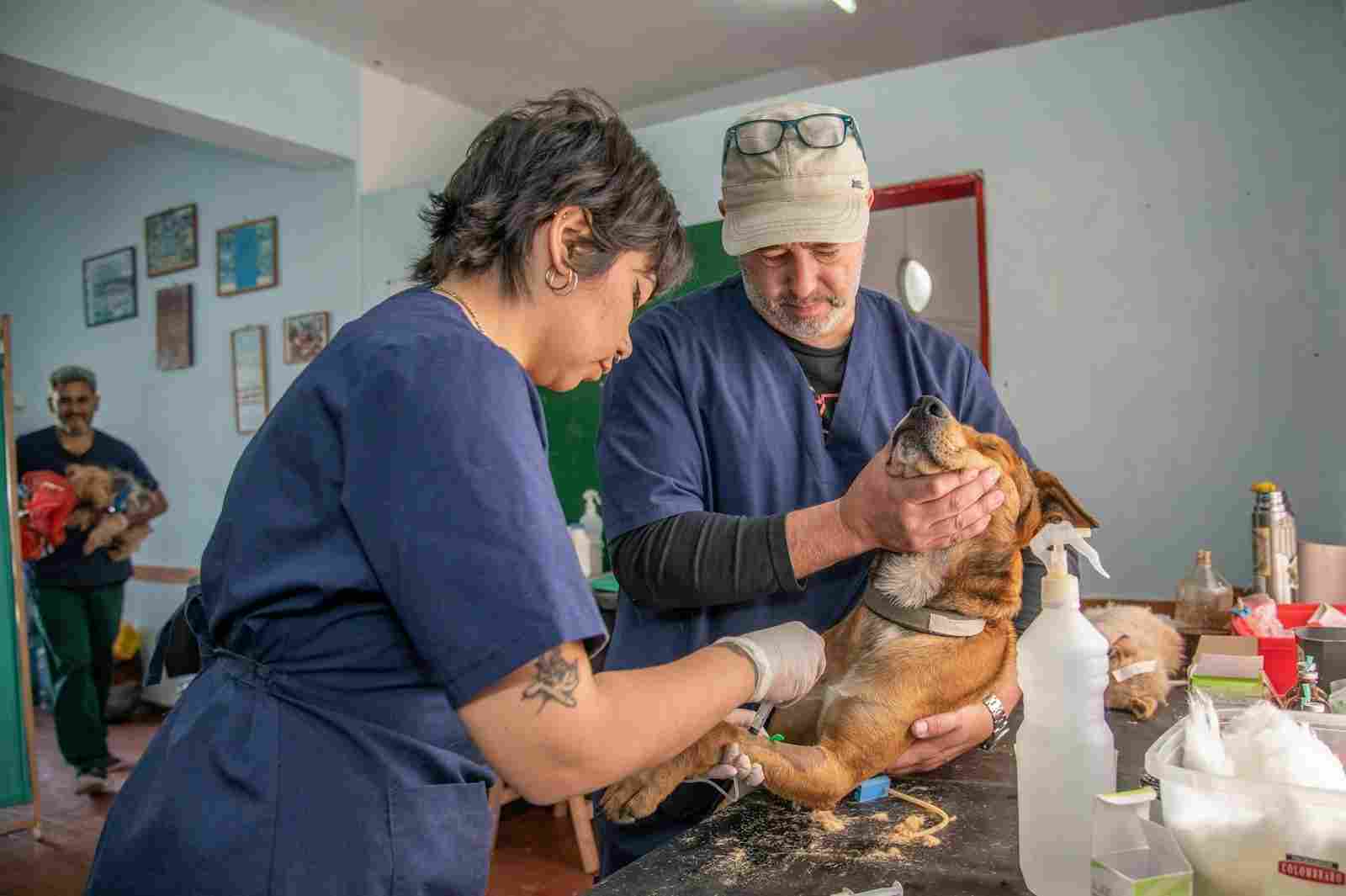
See your financing options with a no-obligation pre-qualification.
✓ Apply today ✓ No Impact to Credit Score ✓ Multiple Financing Options
Thank you for visiting VetClinicLoans.com, a DBA of Feeboards LLC.
We provide educational information and affiliate connections to lending partners that may offer financing options for veterinary practices, equipment, office improvements, and business growth.
VetClinicLoans.com
A DBA of Feeboards LLC
Address:
935 Obenour Ct
Monroe, OH 45050
Phone:
(513) 547-9947
Email:
feeboards@gmail.com
VetClinicLoans.com is an affiliate website. We are not a lender, bank, credit union, or loan broker, and we do not approve loans, set rates, or make credit decisions. All financing decisions are made by the participating lending partners.
Starting, purchasing, or expanding a veterinary practice can require substantial capital. A clinic may need funding for real estate, medical equipment, treatment rooms, staffing, technology, working capital, marketing, and construction. Established practices may also need financing for major renovations, diagnostic equipment upgrades, additional locations, or animal hospital improvements.
The right financing structure depends on the project’s purpose, size, repayment period, borrower qualifications, and expected effect on practice cash flow. A startup should generally approach financing differently from an established clinic renovating an existing hospital or replacing a single piece of equipment.
Veterinary owners should compare rates, fees, collateral requirements, repayment periods, total borrowing cost, and permitted uses before accepting financing. They should also develop realistic budgets that include both planned expenses and contingencies for unexpected costs.
The following nine sections explain key considerations for veterinary entrepreneurs evaluating financing in 2026.
Someone researching a Loan to start a vet practice should begin with a detailed startup budget. The cost of opening a clinic extends beyond leasing a building and purchasing examination tables.
A loan for a veterinarian opening a first location may need to account for deposits, renovations, diagnostic equipment, computers, practice-management software, furniture, signage, inventory, licensing expenses, marketing, and initial payroll.
Different animal vet loans may be structured around specific business purposes, such as equipment, real estate, working capital, or startup expenses. Understanding exactly what the money will finance makes comparison easier.
Owners researching loans for veterinary clinic projects should also calculate how long the practice may take to reach stable cash flow. Startup financing may need to cover operating expenses while the client base grows.
Before hiring animal hospital renovation contractors, owners should request detailed estimates and verify that the construction budget includes electrical work, plumbing, HVAC changes, flooring, cabinetry, medical gas systems where applicable, permits, and installation costs.
For internal information about veterinary financing topics, practice owners can visit VetClinicLoans.com.
A veterinarian looking for a Loan to start a vet clinic may discover that medical equipment represents one of the largest portions of the startup budget. Diagnostic and treatment technology can quickly increase the amount of capital required.
A loan for a veterinarian might potentially be used for digital radiography, ultrasound equipment, laboratory analyzers, dental systems, anesthesia machines, surgical tables, patient monitors, sterilization equipment, or practice-management technology, depending on lender rules.
Owners comparing animal vet loans should consider the expected useful life of the equipment. A financing period that greatly exceeds the productive life of an asset can create long-term cash-flow problems.
Some loans for veterinary clinic projects may combine multiple equipment purchases into a broader financing request rather than funding every item separately.
When animal hospital renovation contractors are involved, equipment installation should be coordinated with construction. Heavy diagnostic equipment may require special electrical service, structural support, ventilation, plumbing, network cabling, or room configuration.
The IRS provides information about depreciation of qualifying business property in Publication 946. Practice owners should consult their own accounting professionals regarding the tax treatment of specific veterinary equipment.
A veterinarian seeking a Loan to start a vet business may want to investigate SBA-backed financing in addition to conventional bank and commercial loan options.
A loan for a veterinarian through an SBA-participating lender may potentially support eligible startup costs, equipment, working capital, real estate, or other approved business purposes.
Some animal vet loans may fall under the SBA 7(a) framework when the borrower and project meet program requirements. The SBA states that 7(a) financing can be used for several purposes, including working capital, equipment, real estate, and changes of business ownership.
Veterinarians researching loans for veterinary clinic expansion or acquisition projects should understand that the SBA generally guarantees qualifying loans made by participating lenders rather than directly lending ordinary 7(a) funds to the borrower.
Projects involving animal hospital renovation contractors may also fit within qualifying SBA financing when renovations are part of an eligible business project, though the lender and program requirements determine the ultimate use of proceeds.
Before accepting a Loan to start a vet operation, owners should estimate whether projected cash flow can comfortably support debt payments after payroll, rent, utilities, supplies, insurance, inventory, and taxes.
Someone evaluating a loan for a veterinarian should not assume the largest approval amount is automatically the right amount to borrow. The obligation should fit realistic revenue projections.
When comparing animal vet loans, model several interest-rate scenarios and repayment periods. Even relatively small differences in financing costs can materially change monthly and total repayment.
The same principle applies to loans for veterinary clinic renovation or expansion projects. Owners should compare the expected business benefit of the project with the resulting debt service.
Practices hiring animal hospital renovation contractors should also include a contingency allowance because construction budgets can change after demolition begins or code requirements are identified.
Consider this hypothetical $300,000 financing example over 10 years:
| Illustrative Rate | Approx. Monthly Payment | Approx. Total Repaid |
|---|---|---|
| 6% | $3,331 | $399,700 |
| 8% | $3,640 | $436,800 |
| 10% | $3,965 | $475,800 |
| 12% | $4,304 | $516,500 |
| 14% | $4,658 | $559,000 |
Hypothetical $300,000 / 10-Year Project

6%   | █████████████████        $3,331
8%   | ██████████████████       $3,640
10%  | ████████████████████     $3,965
12%  | ██████████████████████   $4,304
14%  | ████████████████████████ $4,658
These figures are educational illustrations only. They are not current market rates, lender offers, approval estimates, or guaranteed financing terms.
An owner searching for a Loan to start a vet business may initially focus on startup capital, but established practices eventually face similar financing questions when facilities become outdated.
A loan for a veterinarian may potentially support clinic renovations such as additional examination rooms, larger treatment areas, upgraded surgical suites, improved recovery spaces, expanded kennels, or redesigned reception areas.
Different animal vet loans may offer varying structures depending on whether the project consists primarily of construction, equipment, or a combination of both.
Veterinarians considering loans for veterinary clinic renovation projects should obtain written estimates from multiple qualified contractors and create a full project budget before deciding how much capital to request.
Experienced animal hospital renovation contractors should understand that veterinary facilities have specialized operational requirements. Treatment flow, infection control, noise management, ventilation, durable flooring, drainage, lighting, patient handling, and equipment placement can influence the design.
Owners should also determine whether the practice can remain open during construction or whether temporary closure, phased renovations, or temporary clinical space will be necessary.
Someone searching for a Loan to start a vet business should consider whether acquiring an established practice could be an alternative to building a clinic from the ground up.
A loan for a veterinarian purchasing a practice may need to finance equipment, goodwill, inventory, working capital, and potentially real estate, depending on the structure of the transaction.
Prospective buyers comparing animal vet loans should carefully review the practice’s financial history. Tax returns, profit-and-loss statements, balance sheets, payroll, leases, outstanding liabilities, revenue trends, and equipment condition all deserve attention.
Eligible loans for veterinary clinic acquisitions may include SBA-backed options because the 7(a) program permits qualifying complete and partial changes of business ownership.
A buyer who plans to use animal hospital renovation contractors immediately after acquisition should include renovation costs in the purchase budget rather than discovering an additional financing need after closing.
Veterinary acquisitions are complex transactions, so professional legal, accounting, and financial guidance can be valuable.
A Loan to start a vet practice should not focus exclusively on construction and equipment. New clinics also require sufficient working capital while revenue grows.
A loan for a veterinarian may need to support payroll, utilities, supplies, pharmaceutical inventory, insurance, marketing, software subscriptions, and other operating expenses during the early months.
Owners evaluating animal vet loans should determine whether the product is intended for one-time capital expenditures or ongoing working-capital needs. The appropriate financing structure can differ significantly.
Some loans for veterinary clinic operations may be structured as term financing, while others may involve revolving lines of credit. The choice should reflect how often the practice expects to access capital.
Owners working with animal hospital renovation contractors should protect adequate working capital during construction. Spending all available cash on improvements can leave the business short of money for payroll or inventory.
Cash-flow forecasting before borrowing can identify funding gaps before they become emergencies.
Veterinarians researching a Loan to start a vet clinic may decide that purchasing commercial property provides greater long-term control than leasing. That decision requires careful financial analysis.
A loan for a veterinarian buying property may have a substantially longer repayment period than financing used for equipment or working capital.
Different animal vet loans can vary depending on whether the property is owner-occupied, whether construction is required, and whether the transaction includes an existing operating business.
Owners investigating loans for veterinary clinic real estate projects should consider more than the purchase price. Property taxes, insurance, utilities, maintenance, repairs, buildout costs, and future improvements all affect affordability.
When animal hospital renovation contractors are part of a real-estate project, borrowers should obtain construction estimates before finalizing the total financing requirement. An inexpensive building can become a costly project when major mechanical or clinical modifications are necessary.
Before submitting an application for a Loan to start a vet operation, owners should document the amount required, intended uses, estimated startup timeline, available cash reserves, projected revenue, and expected repayment source.
Someone considering a loan for a veterinarian should compare rates, fees, repayment periods, collateral requirements, personal guarantees where applicable, prepayment terms, and total repayment.
When reviewing animal vet loans, applicants should determine exactly who the lender is and whether the financing is designed for the intended business purpose. Marketing language alone does not establish whether a product is appropriate.
Veterinarians comparing loans for veterinary clinic projects should also maintain a written budget showing construction, equipment, inventory, staffing, technology, professional services, and working-capital requirements.
Before selecting animal hospital renovation contractors, owners should evaluate experience, licensing where required, insurance, references, project timelines, estimates, change-order procedures, and familiarity with veterinary facilities.
For internal veterinary financing information, visit VetClinicLoans.com.
Financing a veterinary practice involves much more than finding a lender willing to provide capital. The financial structure should match the purpose of the project, the expected useful life of the assets, and the practice’s ability to repay the obligation under realistic conditions.
Startups should build comprehensive budgets that include construction, equipment, technology, inventory, staffing, marketing, professional fees, and adequate working capital. Underestimating startup costs can force owners to seek additional financing before the practice has reached stable revenue.
Established clinics should apply the same discipline to renovations and expansions. Construction projects often include hidden costs such as electrical upgrades, plumbing modifications, ventilation, structural changes, permitting, equipment installation, technology infrastructure, and unexpected repairs.
Practice acquisitions require an additional level of due diligence. Buyers should understand the business’s historical profitability, equipment condition, lease obligations, staffing, client activity, existing liabilities, and future capital requirements before accepting substantial debt.
SBA-backed financing can be worth investigating for eligible borrowers, particularly when projects involve acquisitions, equipment, real estate, or qualifying business improvements. Current requirements should always be verified through official SBA sources and participating lenders.
Most importantly, financing should support a clearly defined business objective. The fact that capital is available does not necessarily mean a practice should borrow the maximum amount offered. The strongest financing decision is one that supports growth or operational improvement while maintaining sufficient cash flow for normal business expenses and unexpected challenges.