


Funding to build, equip, and
grow your veterinary practice.
- Apply Today
- Soft credit pull
- Multiple lending options
What do you need to finance?
🏥
Build a New Clinic
🚐
Buy a Mobile Clinic
📈
Expand a Practice
Veterinary
Multiple
Nationwide
No-Impact
A Veterinarian office loan, asset loans for veterinarians, veterinarian SBA loan, and veterinary hospital loans can help qualified veterinary professionals finance clinic expansion, equipment purchases, commercial property, and facility improvements. Veterinarians managing educational debt may also explore loan repayment veterinarians programs, while separately evaluating business financing options that support the growth of their practices.
Financing built for veterinary practices
From the first exam room to a mobile unit, we help you fund every stage of your practice.
🏥
Clinic Construction
🚐
Mobile Clinics
Financing for mobile that bring care to patients.
📈
Practice Expansion
🩺
Equipment Financing
🔧
Renovations & Upgrades
💼
Working Capital
Whatever animals you care for
🐕 Dogs
🐈 Cats
🐎 Horses & Equine
🐄 Cattle & Livestock
🐇 Exotics & Small Animals
🚜 Mixed & Large Animal
Affiliate Disclosure: We are an affiliate marketing website and may receive compensation from lending partners. We are not a lender, do not make credit decisions, and do not guarantee approval. Loan terms and rates are determined by individual lenders.
Simple Process
Apply in a Few Steps
Apply
Get Matched
Review Options
Receive Funding
Why VetClinic Loans
Lending guidance built for veterinarians
🐾
Veterinary Focus
🤝
Multiple Lending Partners
⚡
Pre-Qualification
An application to your credit score and your options.
🗺️
Nationwide
📋
Flexible Terms
🧭
Guidance, Not Pressure
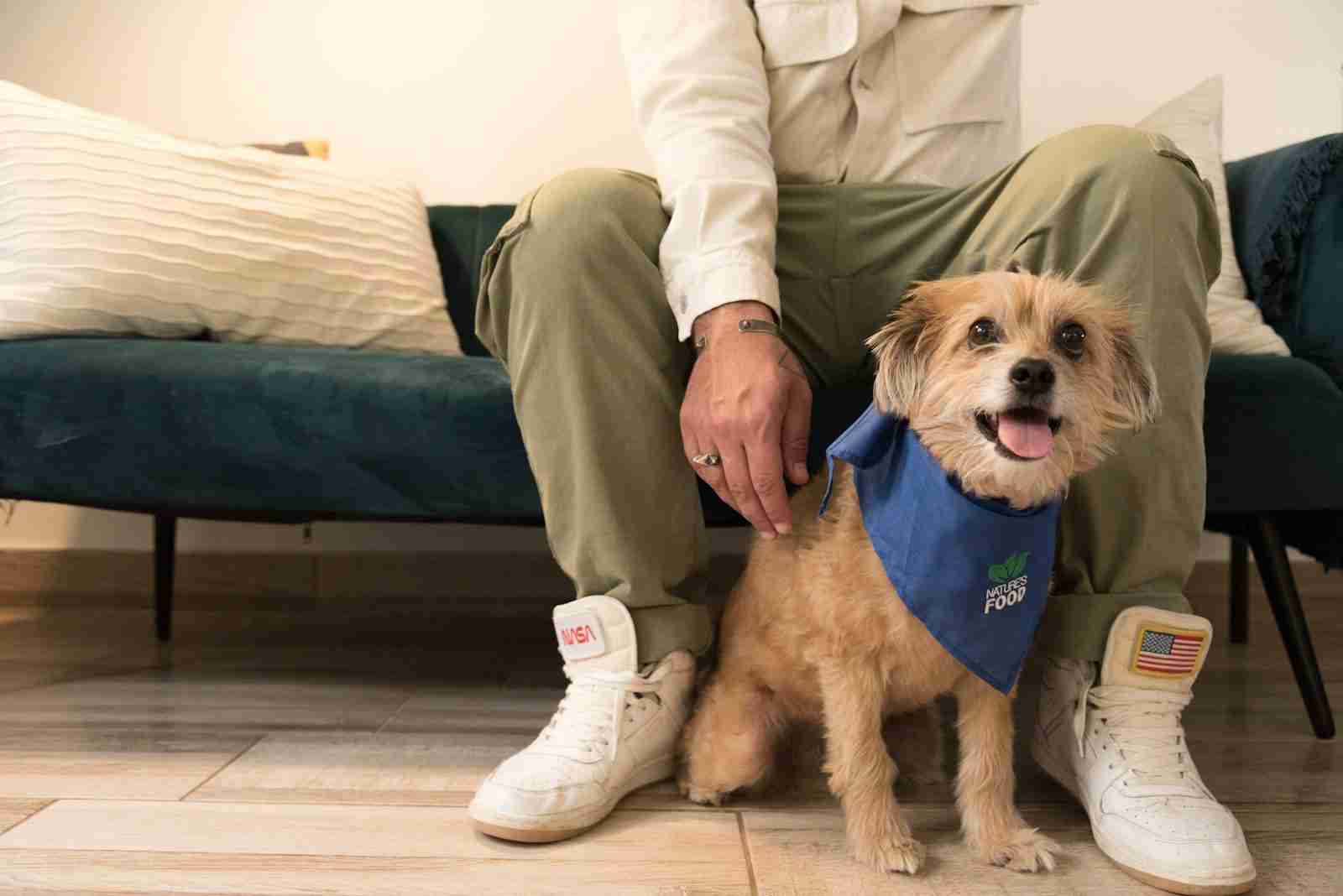
Ready to fund your veterinary practice?
See your financing options with a no-obligation pre-qualification.
✓ Apply today ✓ No Impact to Credit Score ✓ Multiple Financing Options
BELOW THIS LINE IS FOR SEO RANKING AND INFORMATION PURPOSES!!!
Financing a Veterinary Practice in 2026: Offices, Equipment, SBA Programs, and Hospital Growth
Veterinary practices are capital-intensive businesses. A veterinarian opening a first location may need money for leasehold improvements, diagnostic equipment, surgery technology, furniture, inventory, software, staffing, marketing, and working capital. Established practices may eventually require additional funding to purchase real estate, acquire another clinic, renovate an animal hospital, or replace aging medical equipment.
The financing structure should match the purpose of the investment. Long-lived assets such as commercial property generally call for a different approach from temporary working-capital needs. Educational debt also belongs in a separate category from commercial borrowing used to operate or expand a practice.
Before accepting financing, owners should compare the amount received, interest or financing cost, fees, repayment period, collateral requirements, guarantees where applicable, prepayment provisions, and total expected repayment. A successful financing strategy is ultimately one the practice can comfortably support while continuing to pay employees, purchase supplies, maintain equipment, and handle unexpected expenses.
The following nine sections examine major issues veterinarians should consider when planning a practice investment in 2026.
1. Determine Exactly What the Practice Needs to Finance
A Veterinarian office loan may be researched when an owner wants to establish a new clinic, purchase commercial property, renovate leased space, expand examination rooms, or improve administrative and treatment areas. A detailed budget should be created before approaching providers.
The subject of loan repayment veterinarians can mean something entirely different when the veterinarian is concerned about educational debt. Business borrowing and student-debt assistance should be evaluated separately because they have different purposes, requirements, and repayment structures.
Owners investigating asset loans for veterinarians may need capital for imaging systems, laboratory equipment, surgical equipment, real estate, vehicles, furniture, or other business property. Financing should ideally reflect the productive life of the asset.
A veterinarian SBA loan can potentially provide another route for eligible practices. The SBA’s 7(a) program permits qualifying uses including real estate, working capital, equipment, supplies, debt refinancing, and complete or partial changes of ownership.
Larger veterinary hospital loans may involve several financing needs simultaneously, including property, construction, technology, equipment, and working capital.
For additional veterinary-focused information, practice owners can visit VetClinicLoans.com.
2. Finance Equipment According to Its Useful Life
A Veterinarian office loan used for an office improvement may sometimes include equipment, but owners should determine whether dedicated equipment financing or broader commercial financing offers a better fit.
Discussions surrounding loan repayment veterinarians should not be confused with financing new business equipment. Federal educational-debt programs generally have specific qualifying-debt and service requirements and are not sources of money for buying medical technology.
With asset loans for veterinarians, owners should consider how long the financed equipment is expected to remain useful. Digital radiography, ultrasound units, laboratory analyzers, dental equipment, anesthesia systems, surgical monitors, and sterilization equipment may have different replacement cycles.
A veterinarian SBA loan may potentially finance qualifying machinery and equipment because the 7(a) program specifically permits purchasing and installing machinery and equipment, subject to eligibility and lender approval.
Owners evaluating veterinary hospital loans should create an equipment schedule listing the purchase price, installation cost, expected lifespan, maintenance requirements, and anticipated clinical benefit of each major asset.
This approach can help prevent a hospital from committing to a long repayment period for technology that may require replacement substantially sooner.
3. Understand the SBA 7(a) Program
A Veterinarian office loan does not automatically need to be SBA-backed, but qualifying veterinarians may want to compare SBA financing with conventional commercial alternatives when an office project involves significant capital.
For veterinarians concerned about educational obligations, loan repayment veterinarians research should be kept separate from SBA business financing. The SBA program is intended to provide commercial financing assistance to eligible businesses rather than repay veterinary-school debt.
Practices comparing asset loans for veterinarians should know that 7(a) proceeds can support qualifying equipment, furniture, fixtures, supplies, real estate improvements, and other permitted purposes.
A veterinarian SBA loan under 7(a) is originated by a participating lender with an SBA guaranty rather than being an ordinary direct government loan. Eligibility includes being an operating, for-profit U.S. business that meets applicable program requirements and demonstrates reasonable ability to repay.
Some veterinary hospital loans may therefore combine several eligible project components within a broader financing request.
Veterinary business owners can review current requirements directly through the official SBA 7(a) program page before approaching participating lenders.
4. Calculate the Payment Before Borrowing
Before accepting a Veterinarian office loan, owners should calculate the resulting payment after considering payroll, inventory, rent or mortgage expenses, utilities, insurance, taxes, maintenance, and existing debt.
Research surrounding loan repayment veterinarians also benefits from careful mathematics. Educational-debt obligations can affect the veterinarian’s overall personal financial position even when commercial practice financing is technically separate.
When evaluating asset loans for veterinarians, a practice should compare several rates and repayment terms instead of focusing exclusively on the amount approved.
The same applies to a veterinarian SBA loan. Actual rates and terms depend on applicable SBA rules, the lender, transaction, borrower qualifications, and other factors.
Owners comparing veterinary hospital loans can use hypothetical models to see how borrowing costs affect cash flow. Consider a $400,000 balance repaid over 10 years:
| Illustrative Rate | Approx. Monthly Payment | Approx. Total Repaid |
|---|---|---|
| 6% | $4,441 | $532,900 |
| 8% | $4,853 | $582,400 |
| 10% | $5,286 | $634,300 |
| 12% | $5,739 | $688,700 |
| 14% | $6,210 | $745,200 |
Approximate monthly payments for a hypothetical $400,000 balance repaid over 10 years.
Educational illustration only. These are not current lender quotes, SBA rates, market averages, or guaranteed terms.
The comparison illustrates why total cost deserves attention alongside monthly affordability.
5. Finance Real Estate and Major Facility Improvements
A Veterinarian office loan may become particularly important when a veterinarian wants to stop leasing and purchase the property occupied by the practice. Ownership can provide greater control, but it also introduces property taxes, maintenance, insurance, and long-term capital obligations.
Issues involving loan repayment veterinarians should remain separate when evaluating commercial property. Educational assistance programs do not substitute for commercial real-estate financing.
Certain asset loans for veterinarians may be useful for long-lived property or equipment investments, although borrowers should carefully match the financing structure to the asset.
For qualifying fixed-asset projects, a veterinarian SBA loan structured under the 504 program may deserve consideration. SBA describes 504 as long-term, fixed-rate financing for major fixed assets and lists maximum financing of up to $5.5 million for qualifying projects. Available maturities include 10, 20, and 25 years.
Large veterinary hospital loans may therefore require comparing 7(a), 504, conventional real-estate financing, and other commercial products.
Owners can review current program details through the official SBA 504 program page.
6. Separate Educational Debt From Practice Borrowing
A Veterinarian office loan finances a business-related project and should not be confused with programs intended to help qualifying veterinarians manage educational debt.
The topic of loan repayment veterinarians is particularly relevant to USDA/NIFA’s Veterinary Medicine Loan Repayment Program. Qualified participants who commit to at least three years of service in a designated veterinary shortage situation may receive up to $40,000 per year toward qualifying educational loans.
By contrast, asset loans for veterinarians involve financing business property and do not automatically qualify for educational-debt repayment assistance.
Similarly, a veterinarian SBA loan is commercial financing and should not be presented as a federal student-loan forgiveness program.
The same distinction applies to veterinary hospital loans used for buildings, equipment, acquisitions, renovations, or working capital.
For FY2026, NIFA opened applications on January 13 and closed them March 5. Awards are scheduled to be offered September 30, 2026, with service agreements beginning January 1, 2027.
Veterinarians interested in this program should review the USDA/NIFA Veterinary Medicine Loan Repayment Program directly because eligibility and annual application requirements matter.
7. Plan for a Practice Acquisition
A Veterinarian office loan may form part of a transaction when the purchase of a clinic includes the office building or requires significant renovations after acquisition.
The personal issue of loan repayment veterinarians can also influence an aspiring owner’s overall financial planning, but veterinary-school obligations and the financing used to buy a practice should be analyzed separately.
Buyers considering asset loans for veterinarians should identify what assets are included in the transaction. Equipment, inventory, furniture, real estate, and intangible business value may all affect the purchase structure.
A veterinarian SBA loan can potentially support qualifying complete or partial changes of ownership. The SBA specifically lists ownership changes among permitted 7(a) uses.
Prospective buyers comparing veterinary hospital loans should conduct thorough due diligence before taking on acquisition debt. Important records can include tax returns, financial statements, payroll expenses, lease agreements, existing liabilities, equipment inventories, and revenue trends.
The future capital needs of the clinic also matter. A seemingly attractive purchase price may become less appealing if the buyer must immediately replace imaging systems, renovate surgery areas, or make substantial building repairs.
8. Maintain Working Capital During Expansion
A Veterinarian office loan used for renovation should not consume all of the practice’s available cash. Renovations can temporarily disrupt appointments while normal operating expenses continue.
For owners also researching loan repayment veterinarians, maintaining a distinction between personal educational obligations and commercial cash flow can make financial planning clearer.
Financing through asset loans for veterinarians may help preserve working capital by spreading the cost of major equipment or qualifying property over time rather than requiring a large immediate cash payment.
A veterinarian SBA loan through 7(a) may potentially support eligible short- or long-term working-capital requirements in addition to other approved purposes. SBA specifically lists both categories among permitted 7(a) uses.
Large veterinary hospital loans should be evaluated with conservative financial projections. A major hospital expansion can increase revenue capacity while simultaneously increasing payroll, inventory, utilities, insurance, maintenance, and debt service.
Owners should maintain enough liquidity to operate the practice even if construction takes longer than expected or patient volume takes time to grow. Financing should strengthen the operation rather than leave the clinic unable to absorb ordinary business fluctuations.
9. Build a Complete Financing Package
Before applying for a Veterinarian office loan, owners should prepare financial statements, tax records, ownership information, project estimates, leases or property documents, equipment quotes, and realistic cash-flow projections.
When researching loan repayment veterinarians, applicants interested in federal educational assistance should follow the official application requirements for the applicable program rather than assuming participation is automatic. NIFA’s FY2026 program uses a formal application and eligibility review process.
Applicants considering asset loans for veterinarians should prepare clear information about each financed asset, including cost, purpose, installation requirements, and anticipated benefit to the practice.
When evaluating a veterinarian SBA loan, borrowers should compare the SBA-backed option with conventional alternatives and understand that lender underwriting still determines whether financing is approved.
Owners shopping for veterinary hospital loans should compare offers consistently. Important factors include rate, fees, monthly payment, repayment period, collateral, personal guarantees where applicable, prepayment provisions, amount actually received, and total expected repayment.
For internal veterinary financing resources, visit VetClinicLoans.com. For independent program information, owners can use the SBA small-business financing resource and the NIFA veterinary repayment resource.
Final Thoughts
Veterinary practices can require substantial capital throughout their life cycle. A first-time owner may need financing to purchase or establish a clinic, while an established practice may require money for real estate, equipment, renovations, acquisitions, or additional operating capacity.
The financing strategy should begin with the actual business purpose. Long-lived assets deserve different consideration from temporary operating expenses, and commercial practice borrowing should remain distinct from educational-debt programs.
SBA-backed financing can be worth investigating for qualified veterinary businesses. The 7(a) program supports multiple eligible business purposes, while 504 financing focuses on major fixed assets such as qualifying commercial property and long-term equipment. Neither program guarantees approval simply because the applicant owns a veterinary business.
Veterinarians carrying qualifying educational debt may separately investigate USDA/NIFA’s specialized repayment program. It connects debt assistance to service in designated veterinary shortage situations and has its own eligibility, application, and service requirements.
Regardless of the financing source, owners should compare the full economics of the transaction. Monthly payment, total repayment, fees, useful life of the financed property, required collateral, cash reserves, and expected business benefit all matter.
A practice should ideally remain financially resilient after borrowing. Capital can help a veterinary clinic grow, but the resulting obligation should leave sufficient room for payroll, inventory, maintenance, taxes, insurance, and unforeseen expenses.